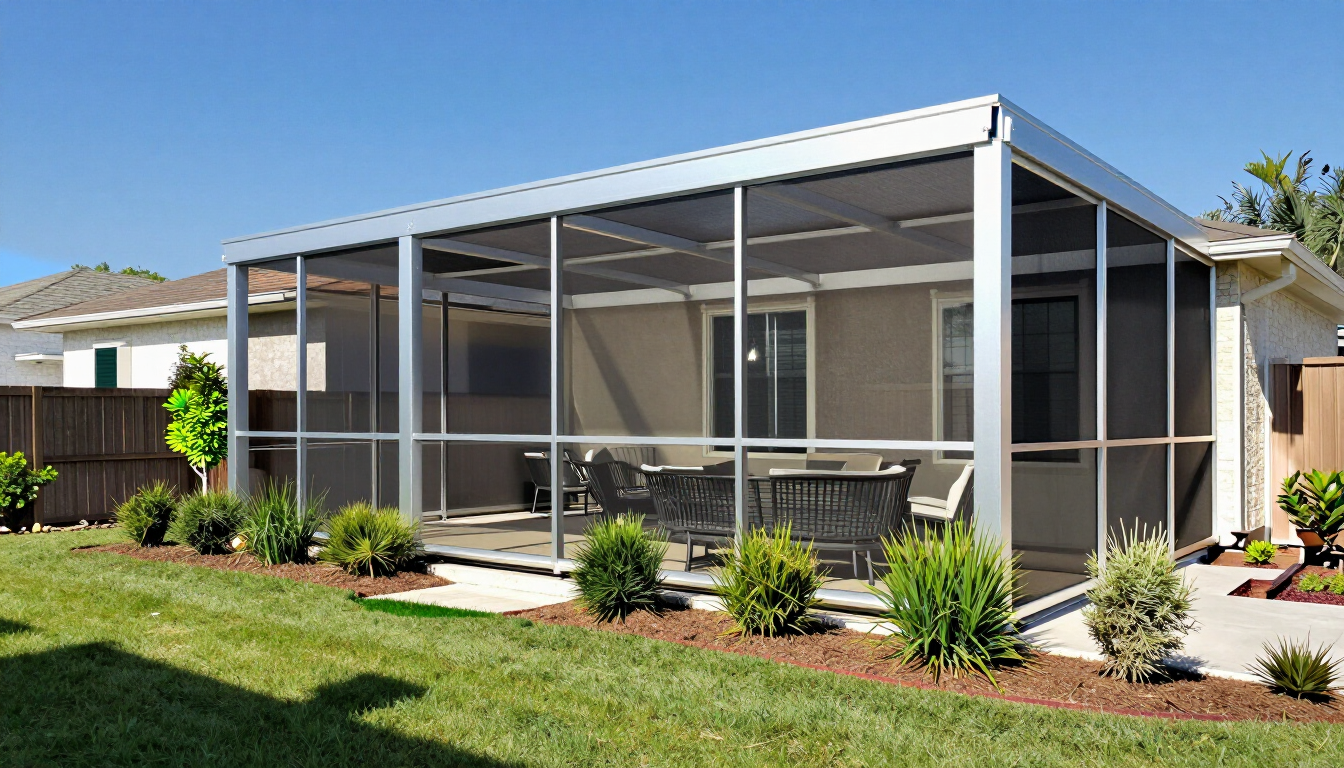
20 Screen Enclosure Questions Houston Homeowners Ask
Screen enclosure construction in Houston creates a shaded, more comfortable outdoor room that helps reduce mosquitoes, debris, and harsh sun. The right enclosure depends on your yard, drainage, wind exposure, HOA rules, budget, and intended use. A qualified local contractor can evaluate the site, recommend materials, secure permits, and build it safely.
1. What is a screen enclosure?
A screen enclosure is a framed outdoor structure covered with mesh screening. It may surround a patio, porch, pool, or another outdoor living area. The frame is commonly aluminum because aluminum is lightweight, durable, resistant to rust, and relatively easy to maintain.
Unlike a fully enclosed room, a screen enclosure allows airflow and natural light while creating a barrier against insects, leaves, and some outdoor debris. Homeowners may also add a solid roof, partial knee walls, doors, lighting, fans, or other features.
2. Why are screen enclosures popular in Houston?
Houston homeowners often want to spend more time outdoors, but mosquitoes, humidity, intense sunlight, and sudden weather can make an uncovered patio less comfortable. A screened patio enclosure offers a practical middle ground between an open patio and a fully conditioned room.
Common benefits include:
- More comfortable outdoor dining and entertaining
- Protection from many insects and flying pests
- Less leaves and debris reaching patio furniture
- Shade when paired with a solid or insulated roof
- A defined outdoor living area for relaxing or hosting guests
A screen enclosure does not make a patio completely weatherproof or pest-proof, but it can significantly improve everyday usability.
3. How much does screen enclosure construction cost in Houston?
The cost varies widely because every project has different dimensions, site conditions, materials, and options. A small enclosure attached to an existing patio may cost much less than a large structure requiring a new slab, roof, electrical work, demolition, or drainage improvements.
Your estimate may be affected by:
- Overall square footage and enclosure height
- Aluminum frame thickness and finish
- Screen type and door count
- Existing patio or foundation condition
- Roof style, gutters, fans, and lighting
- Permit, engineering, and HOA requirements
- Access to the backyard and site preparation
The best way to compare pricing is to request a detailed, written proposal. Ask what is included, which materials will be used, how changes are handled, and whether cleanup and permit coordination are part of the project.
4. Do I need a permit for a screen enclosure in Houston?
Often, yes, although requirements depend on the project location, structure, roof design, attachment to the home, foundation, and local jurisdiction. Houston-area properties may fall under different city, county, or municipal rules, and HOA approval may be separate from a building permit.
A contractor should help identify the applicable requirements before construction begins. Homeowners should not assume that a small structure is automatically exempt. Unpermitted work can create problems during inspections, insurance claims, refinancing, or a future home sale.
5. How long does construction take?
Many straightforward screen enclosure projects can be completed in several days once materials, permits, weather, and site preparation are ready. More complex projects may take longer because they involve a new foundation, roof, drainage, electrical work, custom framing, or inspection scheduling.
A dependable contractor should explain the expected sequence:
- Site visit and measurements
- Design and written proposal
- Permit or HOA coordination, if needed
- Material ordering and scheduling
- Foundation or preparation work
- Frame and screen installation
- Final inspection, walkthrough, and cleanup
Houston rain, heat, and storms can affect scheduling, so a quoted timeline should include realistic contingencies.
6. Which materials are best for Houston’s climate?
Aluminum is a common choice for Houston screen enclosures because it does not rot, resists corrosion, and requires less maintenance than wood. A quality powder-coated finish can improve appearance and help protect the frame from normal outdoor exposure.
Screen material also matters. Standard fiberglass mesh is economical and provides good visibility and airflow. Heavier-duty mesh may be appropriate where pets, children, or frequent use create additional wear. Solar screening can reduce glare and heat, though it may slightly reduce visibility and airflow.
The best material depends on the enclosure’s location, exposure, expected use, and design goals. A contractor should explain the performance differences rather than recommending one option for every property.
7. Can a screen enclosure withstand Houston wind and storms?
A properly designed and installed enclosure can handle normal local conditions, but no outdoor structure is indestructible. Wind performance depends on engineering, attachment points, frame size, foundation, roof configuration, fasteners, and compliance with applicable building standards.
Before hiring a contractor, ask how the enclosure will be anchored and whether the design accounts for the site’s exposure. Inspectors or engineers may require specific plans for larger or roofed structures. Homeowners should also understand what storm damage is and is not covered by their insurance policy.
During severe weather, remove or secure loose furniture and decorations inside the enclosure. The screen itself may be replaceable after damage, but a sound frame and foundation are essential for long-term performance.
8. Can I add a roof to a screened patio enclosure?
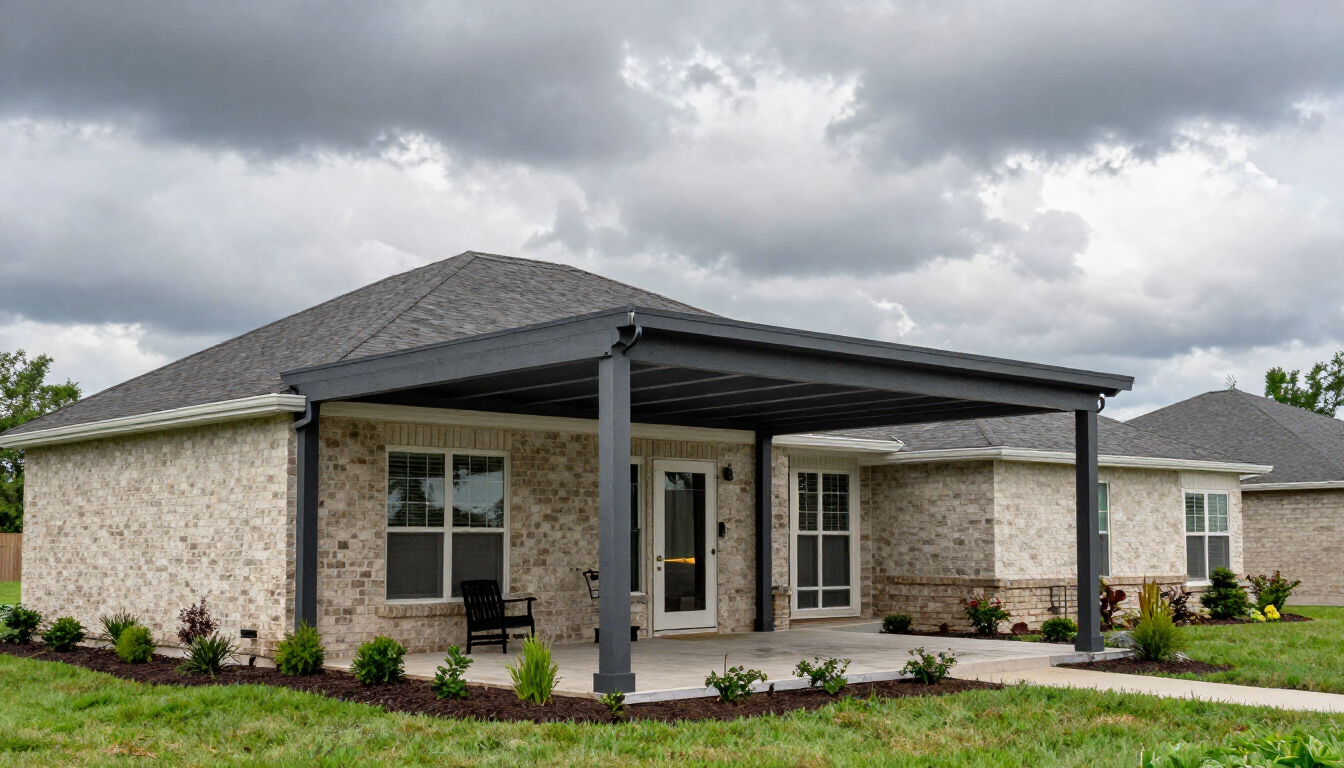
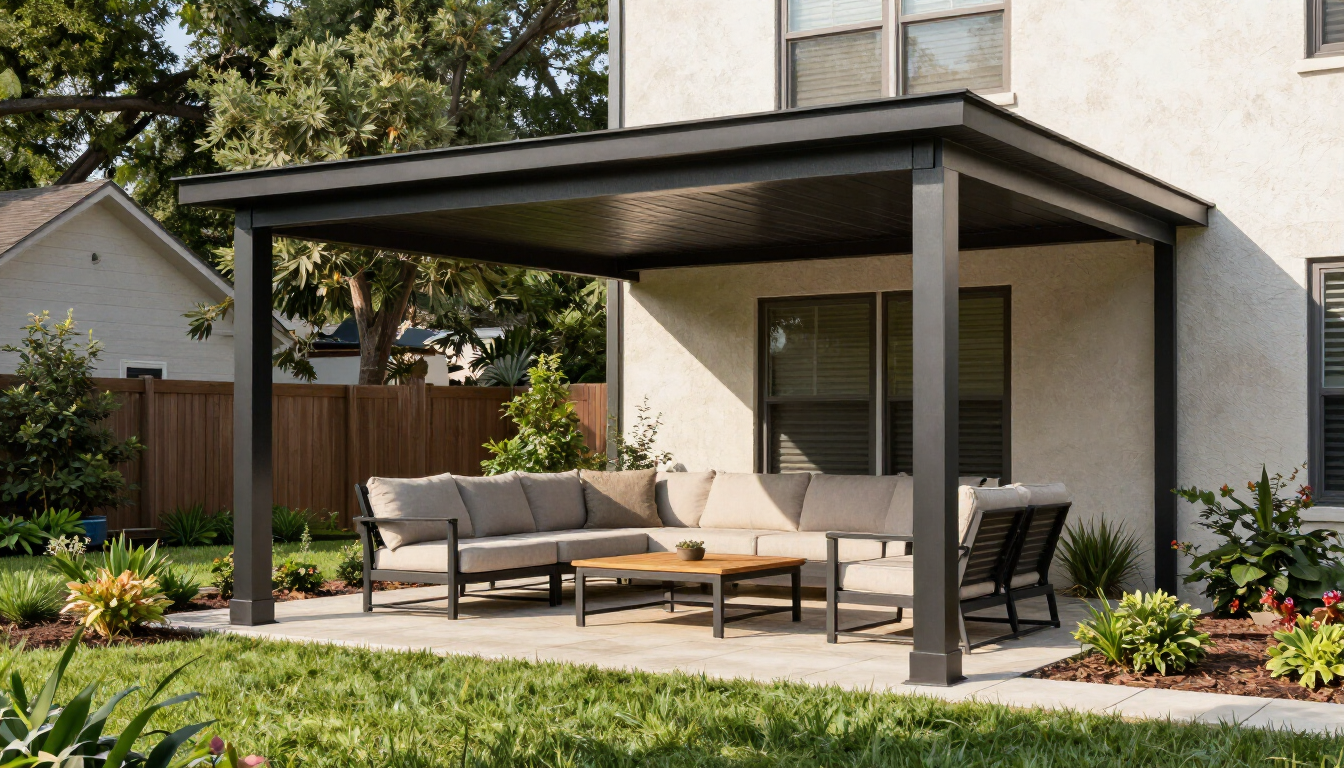
Yes. A solid aluminum roof, insulated roof, or other covered design can provide shade and better protection from rain. Roof selection affects temperature, lighting, drainage, structure height, appearance, and permitting, so it should be addressed early in the design process.
A roofed enclosure may feel more like an outdoor room, but it still will not have the same climate control as an interior addition. Consider gutters and downspouts so rainwater is directed away from the foundation and neighboring areas.
Homeowners comparing roof options may also want to review the company’s aluminum patio cover services for ideas about shade and roof design.
9. Can a screen enclosure be built over an existing patio?
In many cases, yes. Building over an existing concrete patio can reduce excavation and help simplify construction. However, the slab must be evaluated for size, levelness, cracking, drainage, thickness, and ability to support the proposed structure.
An existing patio may need repairs, expansion, leveling, or replacement before the enclosure is installed. Water should not collect against the home or under the new structure. A site inspection is more reliable than assuming the slab is suitable based on appearance alone.
10. What type of screen is best for pets and children?
Standard screen may be appropriate for normal use, but pet-resistant or heavier-duty mesh can offer better resistance to scratching, pushing, and accidental impact. It is not indestructible, especially when a large dog repeatedly presses against a panel.
Ask about mesh visibility, color, ventilation, repairability, and how replacement sections are installed. It may be practical to use reinforced screening only on lower panels or high-contact areas instead of upgrading the entire enclosure.
11. How do I choose the right enclosure design?
Start with how you plan to use the space. A dining area may need clear circulation and lighting, while a lounge may benefit from greater shade, ceiling fans, and privacy screening. Pool enclosures require careful attention to access, safety, drainage, and durable screen materials.
Useful design questions include:
- Where will furniture, grills, and storage sit?
- Which direction receives the strongest afternoon sun?
- Should the enclosure connect directly to the house?
- Do you need one door or multiple access points?
- Will future improvements require additional electrical service?
Reviewing a contractor’s patio enclosure projects can help you compare layouts and finishes.
12. Does a screen enclosure reduce heat?
A screen enclosure alone does not cool the air like an air conditioner. It can make the space feel more comfortable by providing shade, improving the usability of covered areas, and reducing direct exposure to insects and debris. The actual temperature benefit depends on roof design, orientation, ventilation, trees, fans, and solar screening.
For stronger heat control, consider a solid or insulated roof, ceiling fans, light-colored finishes, and screening designed to reduce solar exposure. Good airflow is especially important in Houston’s warm, humid conditions.
13. How much maintenance does a screen enclosure need?
Maintenance is usually manageable. Rinse or gently wash the frame and screen periodically to remove pollen, dust, and grime. Avoid aggressive pressure washing that can stretch, tear, or loosen mesh. Keep gutters and downspouts clear if the enclosure has a roof.
Inspect the structure after major storms and look for:
- Torn, loose, or sagging screen
- Damaged spline or fasteners
- Corrosion or finish problems
- Doors that drag or do not latch
- Standing water near posts or the foundation
Small screen repairs may prevent larger issues and help preserve the enclosure’s appearance.
14. Can I use a screen enclosure year-round?
Many Houston homeowners use screened spaces throughout the year, but comfort depends on the season and features. Spring and fall may be ideal for meals and relaxing outdoors. Summer use is more comfortable with shade and fans, while winter use may require outdoor-rated heaters and protection from wind.
Furniture should be selected for covered outdoor conditions, and cushions may still need protection from humidity and driving rain. A screen enclosure extends the useful season; it does not guarantee the same comfort in every weather condition.
15. Can I customize doors, lighting, fans, and privacy features?
Yes. Common upgrades include hinged or sliding screen doors, privacy mesh, solid lower panels, ceiling fans, outdoor lighting, gutters, pet doors, and electrical outlets. Some homeowners add decorative framing or coordinate the enclosure with an existing patio cover.
Electrical and fan work should be planned with qualified professionals and completed according to applicable codes. Adding options during the initial design is usually easier than retrofitting them later.
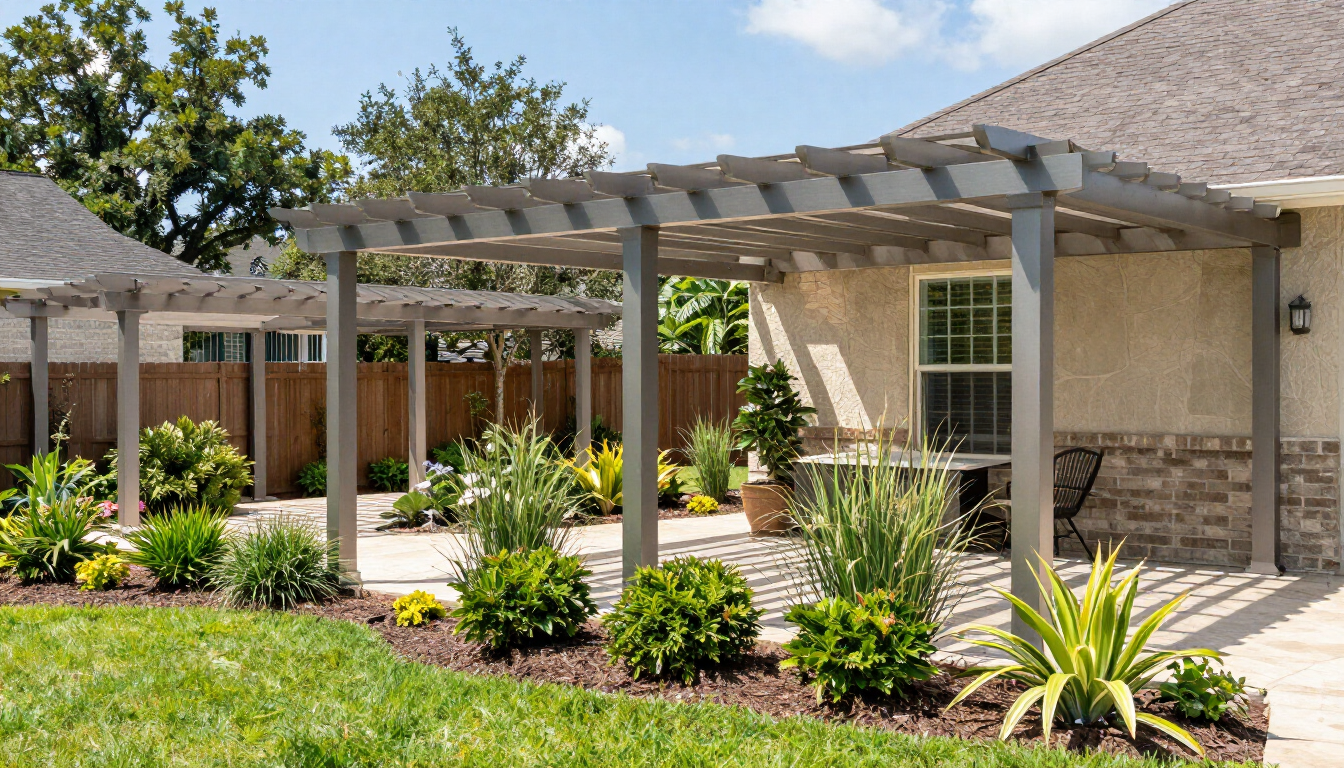
For a different outdoor structure, explore aluminum pergola options , which can provide architectural shade without fully screening the space.
16. How can I compare screen enclosure contractors?
Look for experience with projects similar to yours, clear communication, proper licensing or registration where applicable, references, and a detailed contract. A low price is not necessarily a good value if it excludes preparation, permits, quality mesh, drainage, or cleanup.
Ask prospective contractors:
- How long have you built enclosures in the Houston area?
- Who handles permits and inspections?
- What frame, screen, and fastener materials are included?
- How will the structure be anchored?
- What warranty applies to labor and materials?
You can also review customer testimonials and learn more about the company’s services before requesting an estimate.
17. What should be included in the contract?
A useful contract should describe the scope of work in plain language. It should include dimensions, drawings or specifications, materials, roof and screen details, doors, foundation work, drainage, electrical work, permits, schedule, payment terms, warranty information, and cleanup responsibilities.
Confirm how change orders work. Written approval before additional work begins can prevent misunderstandings. If an item is important to you—such as pet-resistant mesh, a particular color, or a gutter connection—it should appear in the proposal rather than remain a verbal promise.
18. Will a screen enclosure add value to my home?
It may improve appeal and outdoor usability, particularly when the design is attractive, durable, and appropriate for the property. However, the return on investment varies by neighborhood, workmanship, size, maintenance, and buyer preferences. It should be viewed primarily as a lifestyle improvement rather than a guaranteed dollar-for-dollar investment.
A well-integrated enclosure can make a backyard feel more finished and useful. Poor drainage, mismatched construction, or neglected screening can have the opposite effect.
19. How do I prepare my yard for construction?
Remove fragile items, outdoor furniture, planters, decorations, and valuables from the work area. Identify irrigation lines, landscape lighting, utilities, gates, and access restrictions. Tell the contractor about pets and any times when workers cannot access the property.
You may also need to trim vegetation, relocate furniture, or arrange for temporary access through a side gate. Clear communication before the crew arrives can reduce delays and protect landscaping.
20. When should I schedule a screen enclosure project?
There is no single perfect season, but planning ahead is helpful. Houston weather can affect excavation, concrete, framing, and screen installation. Spring and fall are popular because outdoor conditions are often comfortable, so contractors may book those periods quickly.
Start by defining your goals, setting a realistic budget, checking HOA requirements, and scheduling a site evaluation. A local contractor can then recommend an enclosure that fits your property and intended use.
Key takeaways
- Screen enclosure construction in Houston can create a more comfortable outdoor living area.
- Aluminum frames and suitable mesh are practical choices for the local climate.
- Cost, permits, timeline, and storm performance depend on the specific design and site.
- A written proposal should cover materials, anchoring, drainage, permits, warranty, and cleanup.
- Begin with a professional evaluation before choosing a design or comparing estimates.
If you are ready to evaluate options for your property, contact Lone Star Patio Covers & Enclosures to discuss your Houston-area project.