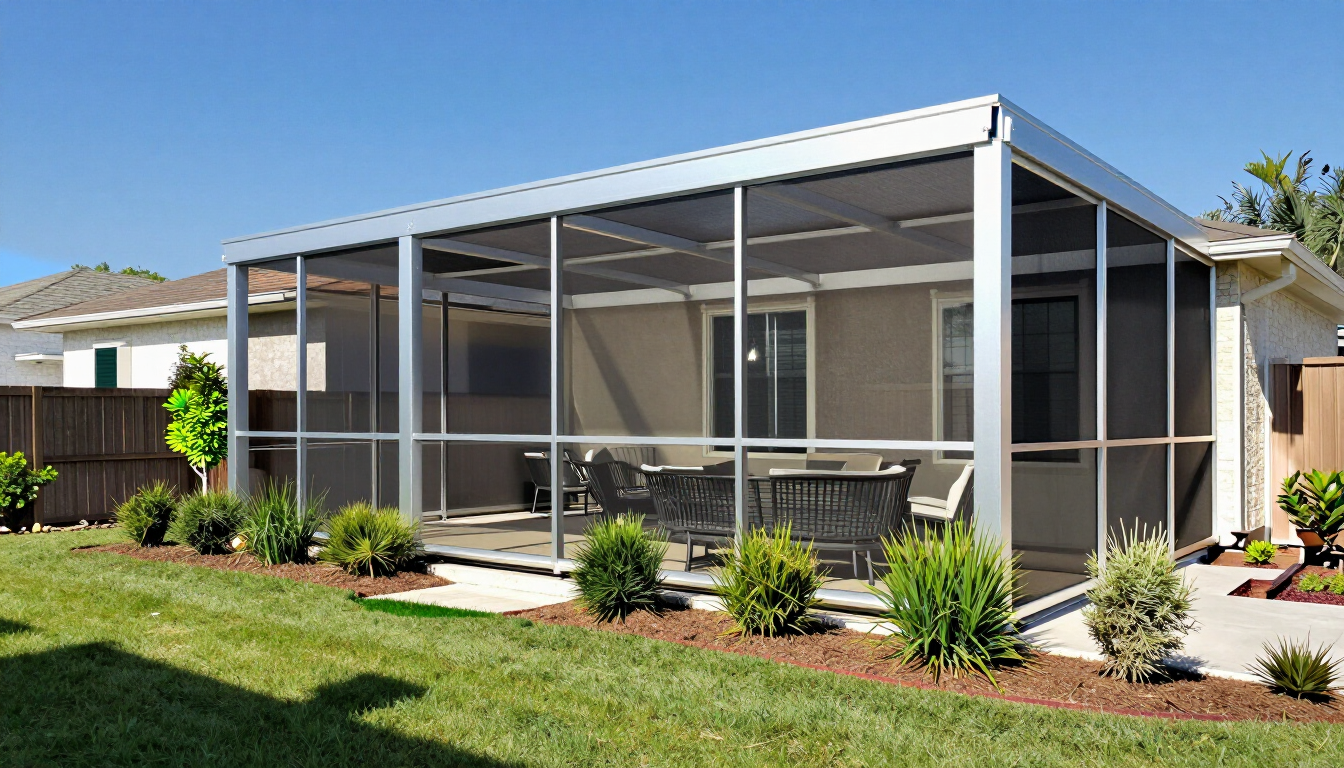
7 Pergola Design Ideas for Texas Heat
Pergola design ideas for Texas heat should prioritize shade, airflow, durable materials, and a layout that fits how you use your yard. For Houston-area homeowners, an aluminum pergola with adjustable shade, a thoughtfully chosen orientation, and heat-tolerant landscaping can create a cooler, more comfortable outdoor space with less maintenance.
What pergola design works best in Texas heat?
The best pergola design for Texas heat combines a strong shade strategy with ventilation. A pergola should block intense overhead sun without trapping hot air underneath. Aluminum is often a practical choice because it resists moisture, insects, and warping while requiring little upkeep.
When planning your structure, consider:
- The direction of afternoon sunlight
- The amount of shade needed during peak summer hours
- Airflow from prevailing breezes
- Seating, dining, grilling, or entertaining needs
- Drainage and the existing patio or foundation
Texas weather can shift quickly from intense sun to heavy rain and wind. A well-designed pergola should feel comfortable on ordinary summer days while also being built for long-term outdoor exposure.
1. Add adjustable shade for changing sun angles
Fixed rafters provide attractive partial shade, but Texas sunlight changes throughout the day and year. Adjustable louvers, retractable fabric panels, or a layered roof system give you more control when the sun moves across the yard.
Adjustable shade is especially useful for patios that face west or southwest. Those orientations can receive strong late-day heat when homeowners are most likely to use their outdoor spaces.
A flexible design may include:
- Fixed overhead rafters for structure and visual interest
- Retractable shade panels for afternoon protection
- Outdoor curtains on selected sides
- Roll-down screens for glare, insects, and privacy
Avoid covering every side permanently unless you have a specific reason. Open sides help hot air escape and preserve the breezy, outdoor feeling that makes a pergola different from a fully enclosed room.
2. Choose aluminum for low-maintenance durability
Wood pergolas can look beautiful, but Texas heat, humidity, rain, and insects create ongoing maintenance demands. Aluminum pergolas offer a clean appearance without routine staining, painting, or concerns about rot and termites.
Quality aluminum can also support a more tailored design. Homeowners can choose colors, roof profiles, post sizes, and details that complement the home instead of adding a structure that looks temporary.
When comparing materials, ask about:
- Finish durability and color options
- Resistance to rust, fading, and moisture
- Structural engineering for local weather conditions
- Warranty coverage
- Cleaning and maintenance requirements
The right material depends on your priorities, budget, and home style. See how an aluminum pergola can provide shade and definition while keeping maintenance manageable.
3. Design for cross-ventilation
Why does airflow matter under a pergola?
Shade alone does not guarantee comfort. A poorly planned structure may reduce direct sunlight but still feel hot if the roof and side panels prevent air from moving through the space.
Keep at least two sides open when possible. Position the pergola to work with natural breezes rather than blocking them with solid walls. Slatted roofs, raised shade panels, and carefully spaced rafters can provide overhead protection while allowing warm air to rise and escape.
Ceiling fans can improve comfort, but they work best when the structure already has adequate airflow. Select damp-rated outdoor fixtures and place them where they will not interfere with lighting, furniture, or cooking areas.
For more protection without closing in the entire patio, consider adding screens to one or two sides. A screen room enclosure may be a better fit if your priority is stronger insect protection and more consistent comfort.
4. Use a roof that matches your comfort goals
A pergola roof can be open, partially covered, or fully covered. The best choice depends on how much sun and rain protection you want.
Open rafters
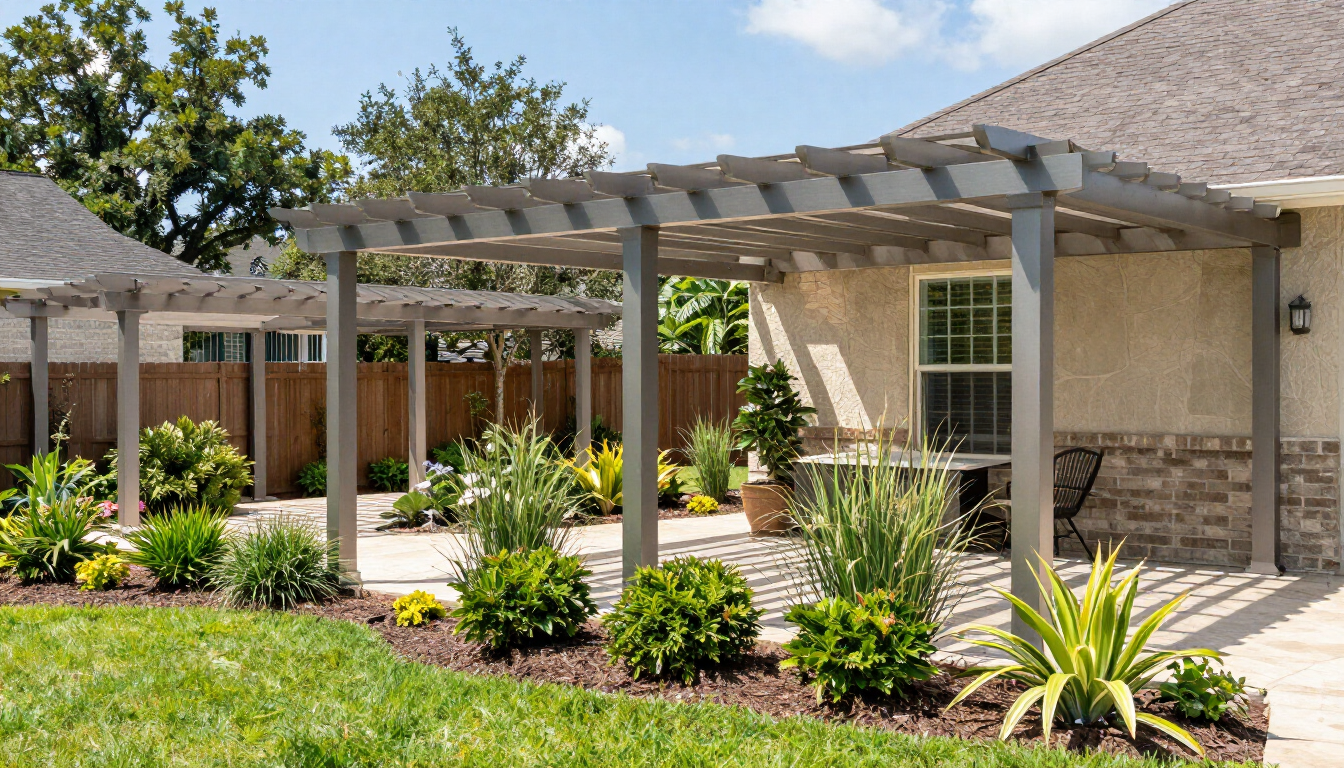
Open rafters create a classic pergola appearance and allow generous airflow. They work well when you want filtered shade, climbing plants, or a lighter visual footprint. However, they provide less protection during the hottest part of the day.
Solid or insulated panels
A covered roof offers more dependable shade and protection from light rain. Insulated panels can help reduce heat transfer compared with thin, uninsulated surfaces. Proper slope and drainage are important, particularly during heavy Texas rain.
Combination roofing
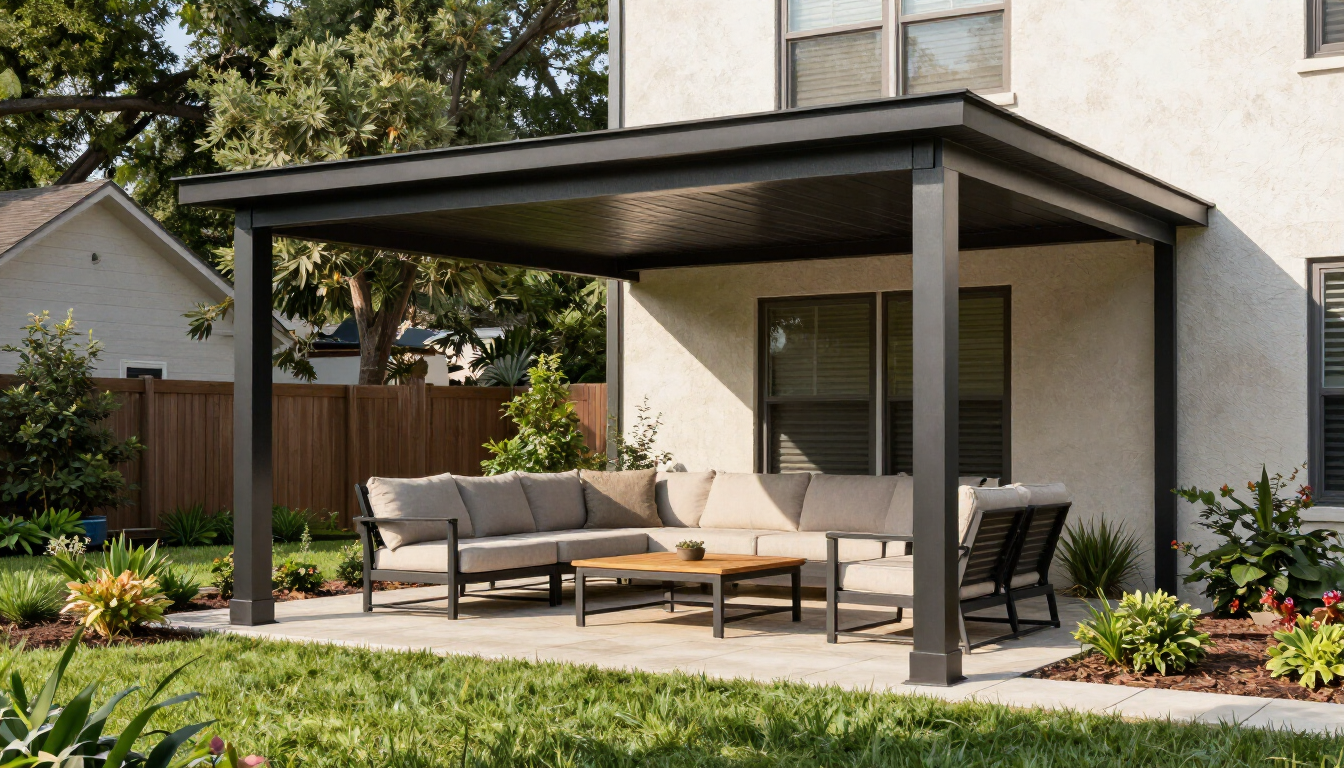
A combination design uses solid coverage over seating or dining areas and open rafters elsewhere. This is a practical way to balance shade, ventilation, and appearance without covering the entire patio.
Think about the way your family will use the space. If you regularly eat outdoors, watch sports, or host guests, reliable overhead coverage may be worth prioritizing over a purely decorative open-roof design.
5. Position the pergola around afternoon shade
Placement may have more impact on comfort than decorative details. Observe your yard at different times before finalizing the location. Note where shadows fall at noon, midafternoon, and early evening during the warmer months.
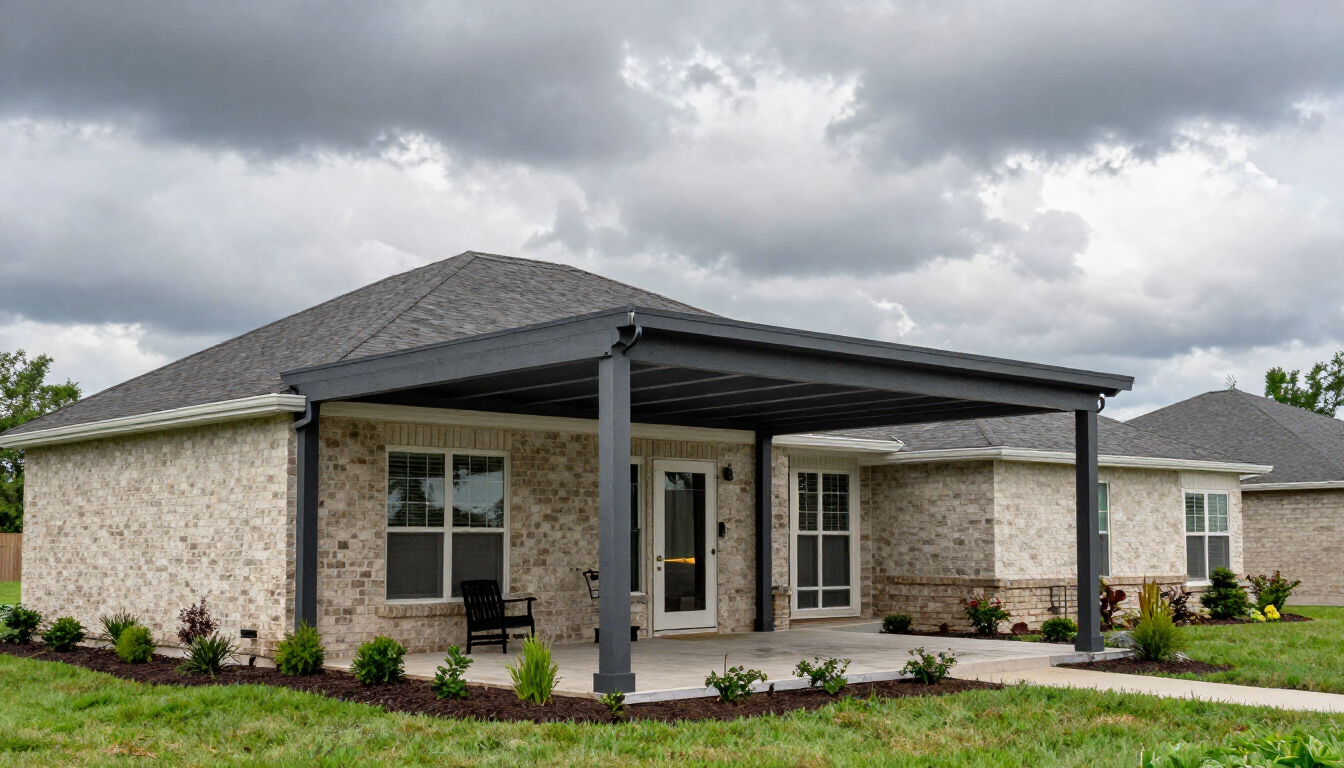
A pergola placed close to the home can shade windows and create an easy transition between indoor and outdoor areas. A freestanding pergola may work better when you want a destination space near a pool, garden, or outdoor kitchen.
Also consider:
- How close the structure is to doors and windows
- Views you want to preserve or screen
- Utility lines and property boundaries
- Water runoff during storms
- Access for construction and future maintenance
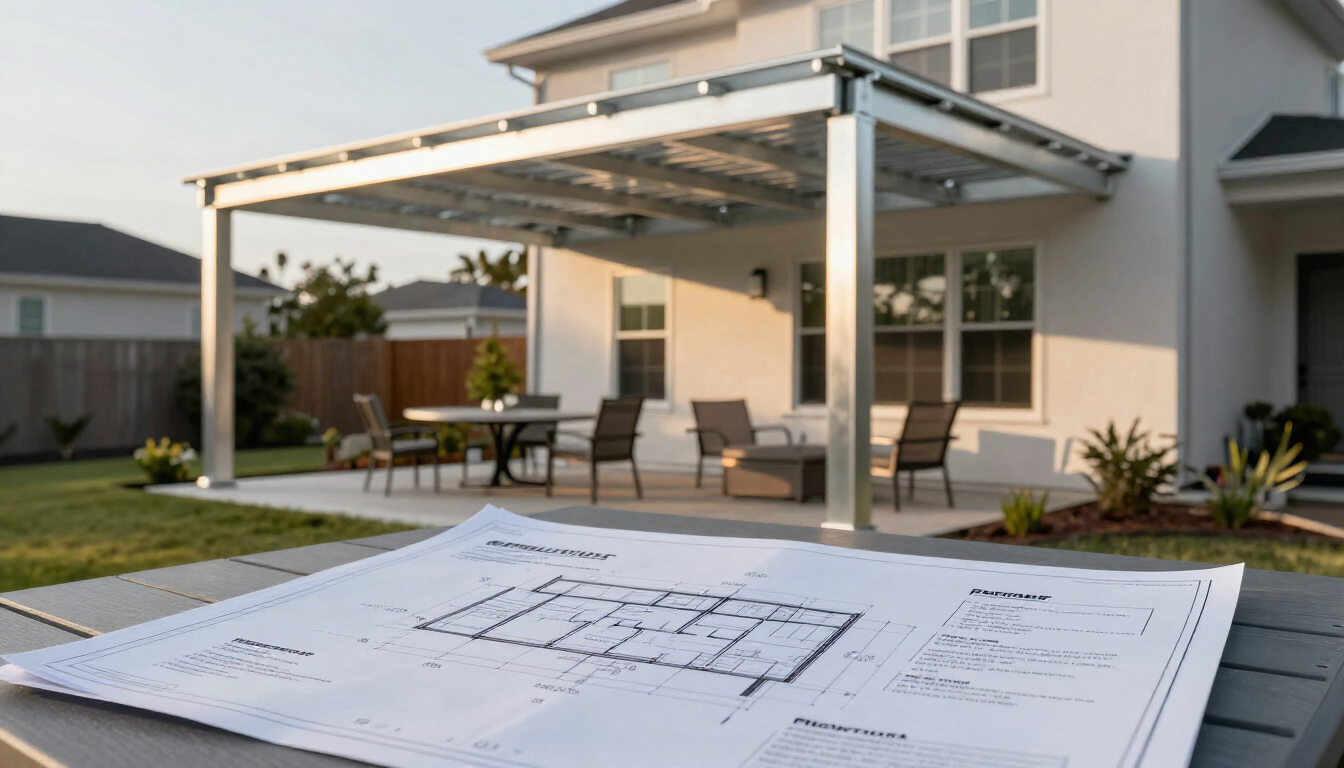
A professional site review can identify practical issues before installation begins. It can also help determine whether the pergola should connect to the home or stand independently.
6. Pair shade with heat-tolerant landscaping
Plants can soften a pergola’s appearance and provide additional shade, but not every plant performs well in Texas summers. Choose landscaping based on sunlight, irrigation, soil, and maintenance preferences.
Drought-tolerant shrubs, ornamental grasses, native plants, and large containers can add color without creating an unmanageable watering schedule. Vines may provide natural shade, but they require a suitable support system and regular trimming.
Keep plants from blocking drainage or pressing against the structure. Dense vegetation beside a home can also hold moisture and attract insects. Use landscaping to frame the pergola rather than bury it.
For a polished outdoor room, coordinate plant textures with furniture, pavers, lighting, and the pergola’s finish. A limited palette often looks more intentional than many unrelated colors.
7. Build in lighting, power, and privacy
A pergola becomes more useful when it supports evening activities. Plan electrical access before construction so lighting, fans, speakers, or an outdoor television can be installed safely and neatly.
Useful lighting options include:
- Recessed or integrated overhead lights
- Warm string lights for ambiance
- Step and pathway lighting for safety
- Wall-mounted fixtures near doors
- Focused lighting over dining or cooking areas
Privacy can come from slatted screens, curtains, landscaping, or a partial side wall. Use these elements selectively. A fully enclosed perimeter may reduce airflow and make the space feel smaller, while one privacy screen can create a comfortable sense of separation.
Review pergola photos for ideas about proportions, finishes, shade coverage, and how different designs connect with existing homes.
How much shade should a Texas pergola provide?
Most homeowners should start by identifying the areas that need dependable protection, such as dining seats, lounge furniture, or a grilling station. Covering the entire patio is not always necessary. Targeted shade can cost less, preserve airflow, and make the yard feel more open.
Consider the sunniest part of the day and how long you expect to use the space. A west-facing seating area may need deeper coverage or a side screen, while a north-facing patio may work well with a lighter roof.
What should homeowners ask a pergola contractor?
Before choosing an installer, ask clear questions about design, materials, and the installation process:
- Is the proposed structure engineered for local wind and weather?
- Which roof and shade options are available?
- How will rainwater drain away from the home?
- What maintenance will the finish require?
- What is included in the estimate and warranty?
A contractor should explain the trade-offs rather than recommend one design for every yard. Look for relevant experience, clear communication, and examples of completed work in your area. You can also review projects and testimonials before scheduling a consultation.
A practical Texas pergola checklist
Use this quick checklist before requesting a design:
- Mark where afternoon sun reaches your patio.
- Decide whether you need open, partial, or full coverage.
- Identify seating, dining, cooking, and entertainment zones.
- Consider airflow, privacy, drainage, and electrical needs.
- Compare durable materials, warranties, and maintenance requirements.
Final takeaway
The most effective pergola design ideas for Texas heat combine reliable shade, open-air ventilation, durable materials, and a layout based on your property’s sun patterns. Aluminum, adjustable coverage, smart placement, and heat-tolerant landscaping can make a Houston-area pergola comfortable without creating excessive maintenance. Start by deciding how you will use the space, then evaluate roof coverage, airflow, privacy, lighting, and drainage together. If you are comparing options, explore patio covers and aluminum patio covers, then contact Lone Star Patio Covers & Enclosures to discuss a design suited to your home.