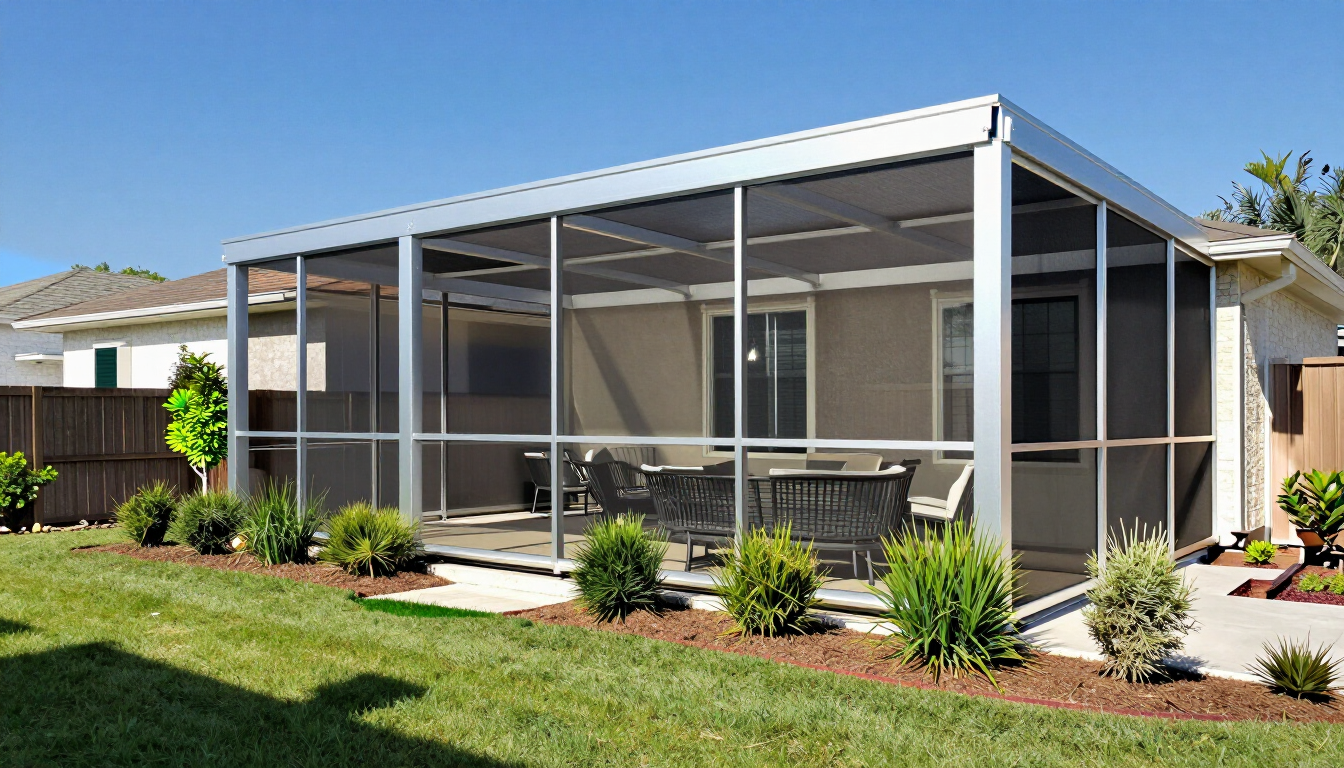
How to Choose Insulated Aluminum Roof Panels
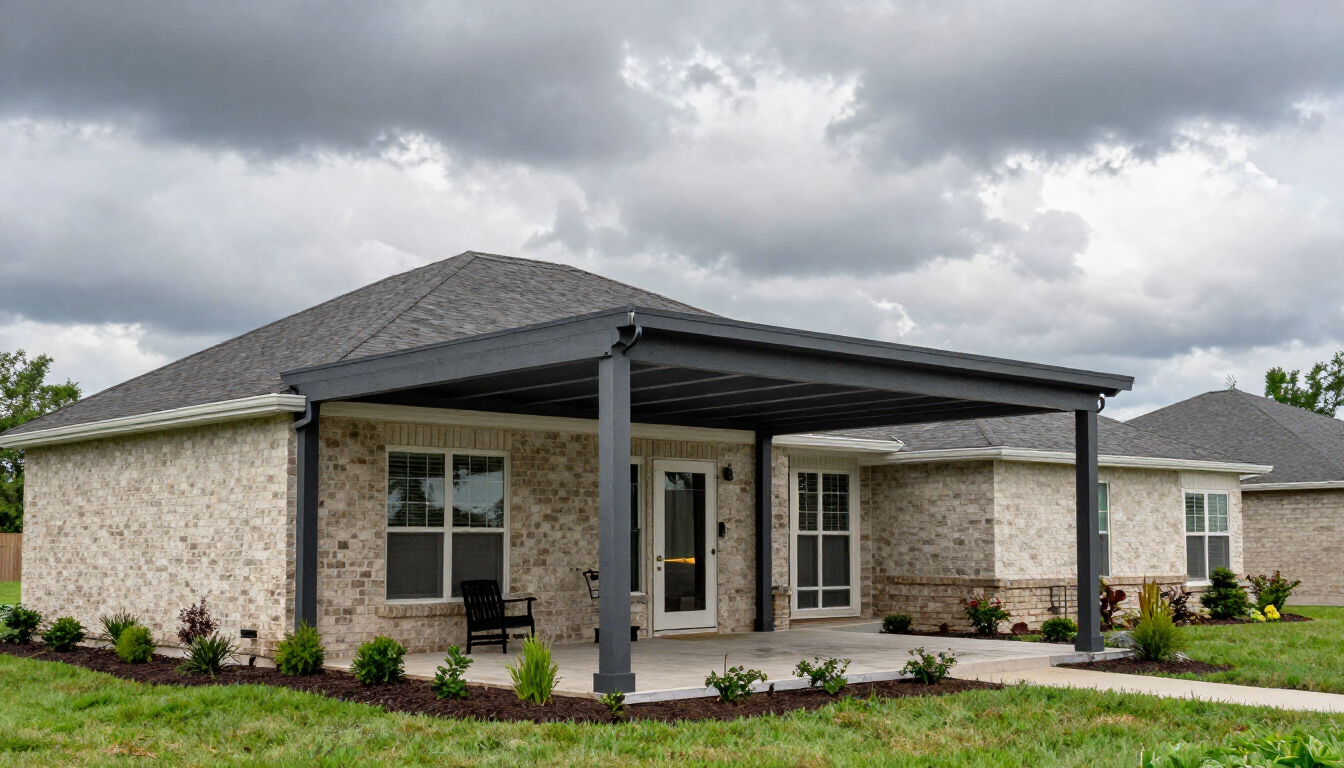
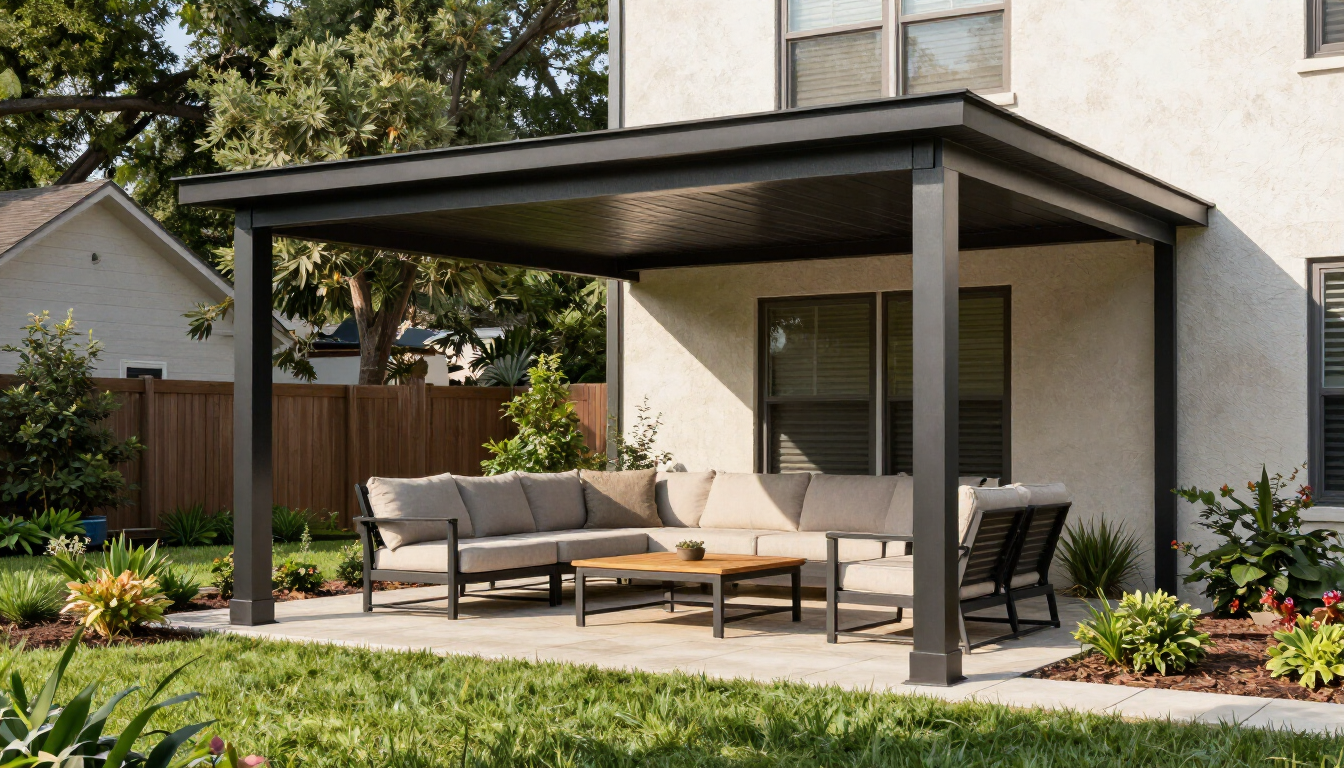
Insulated aluminum roof panels are lightweight patio-cover panels with a rigid foam core sealed between aluminum skins. They create a cooler, more comfortable outdoor space by reducing heat transfer, while offering weather resistance, low maintenance, and a clean finished ceiling. For Houston homeowners, they are a practical alternative to open-beam or solid roofing.
What Are Insulated Aluminum Roof Panels?
Insulated aluminum roof panels are sandwich-style building components designed for patio covers, porches, and other outdoor living areas. The typical construction includes:
- A durable aluminum exterior surface
- A rigid insulating foam core
- An aluminum or finished interior ceiling surface
- Interlocking seams and trim that help limit water intrusion
Unlike a simple sheet-metal roof, the insulated core helps slow the movement of heat from the sun into the covered area. Unlike many heavy roofing systems, aluminum panels are relatively lightweight and can often be installed without the structural demands of a full room addition.
Homeowners can usually choose from several colors, profiles, ceiling finishes, and panel thicknesses. The right combination depends on the patio’s size, desired appearance, drainage plan, local weather, and how often the space will be used.
How Do Insulated Aluminum Roof Panels Work?
Sunlight heats the upper aluminum surface. The foam core then reduces how quickly that heat travels through the panel to the lower ceiling. This does not make an uncovered patio air-conditioned, but it can make a meaningful difference in perceived comfort, especially when the structure also includes shade, ventilation, fans, and screened walls.
The panels also help reduce the sound and visual impact of rain compared with some exposed roofing arrangements. Properly sloped panels direct water toward gutters or planned drainage points, helping protect the patio, furniture, foundation, and surrounding landscaping.
Performance depends on the entire patio-cover design. Panel quality matters, but so do orientation, roof pitch, attachment methods, surrounding trees, airflow, and the amount of afternoon sun.
What Are the Benefits of Insulated Aluminum Roof Panels?
Improved outdoor comfort
The primary reason homeowners choose insulated panels is better temperature control beneath the patio cover. The roof blocks direct sun while the insulation reduces radiant heat passing through the ceiling. Add a ceiling fan or screened enclosure, and the area may become more usable during Houston’s long warm season.
Low maintenance
Aluminum does not rot, warp, or attract termites. Factory-finished surfaces generally need less upkeep than stained wood. Routine care may include removing leaves, checking gutters, and washing the panels with appropriate soap and water.
Weather resistance
A properly installed aluminum roof can stand up well to rain, humidity, and ordinary outdoor exposure. The exact performance depends on the product, engineering, fasteners, sealants, and installation quality. In the Greater Houston area, the design should also account for strong storms and local permitting requirements.
Lightweight construction
Aluminum patio roofing is lighter than many conventional roof assemblies. That can simplify design and reduce the load placed on the supporting structure, although a qualified contractor still needs to evaluate posts, beams, footings, attachment points, and wind conditions.
Clean, finished appearance
Insulated panels can provide a smooth ceiling instead of exposed rafters. They work well with outdoor lighting, fans, furniture, and adjacent screen rooms. Explore aluminum patio covers to compare how a finished cover can fit your home.
Are Insulated Aluminum Panels Better Than Solid Roofs?
“Better” depends on your goals. Insulated aluminum panels are often a strong choice when you want shade, reduced heat transfer, modest maintenance, and an attractive outdoor living area without building a fully enclosed conditioned room.
A conventional solid roof may be preferable when the patio must closely match the home’s existing roofline, support heavier finishes, or connect directly to conditioned living space. It may also involve more complex framing, roofing materials, flashing, insulation, and permitting.
Consider this practical comparison:
| Option | Best for | Main advantage | Potential consideration | |---|---|---|---| | Insulated aluminum panels | Patio covers and outdoor rooms | Lightweight comfort and low maintenance | Must be engineered and installed correctly | | Open-beam cover | Shade with an airy look | Maximum airflow and visual openness | Offers less heat and rain protection | | Conventional solid roof | Roofline matching or enclosed additions | Familiar residential appearance | Often heavier and more complex | | Fabric or retractable cover | Flexible, occasional shade | Can open and close | Usually less durable in severe weather |
The best option should be selected after considering the home’s architecture, drainage, budget, and intended use—not just the material name.
How Much Do Insulated Aluminum Roof Panels Cost?
Project pricing varies significantly. A small, freestanding cover with simple access may cost less than a large attached structure with custom dimensions, gutters, electrical work, screens, fans, lighting, and upgraded finishes.
Important cost factors include:
- Patio size and roof geometry
- Panel thickness and finish
- Number and size of posts and beams
- Footings, slab conditions, and attachment requirements
- Gutters, downspouts, lighting, and ceiling fans
- Screen walls, doors, or privacy features
- Engineering, permits, demolition, and site preparation
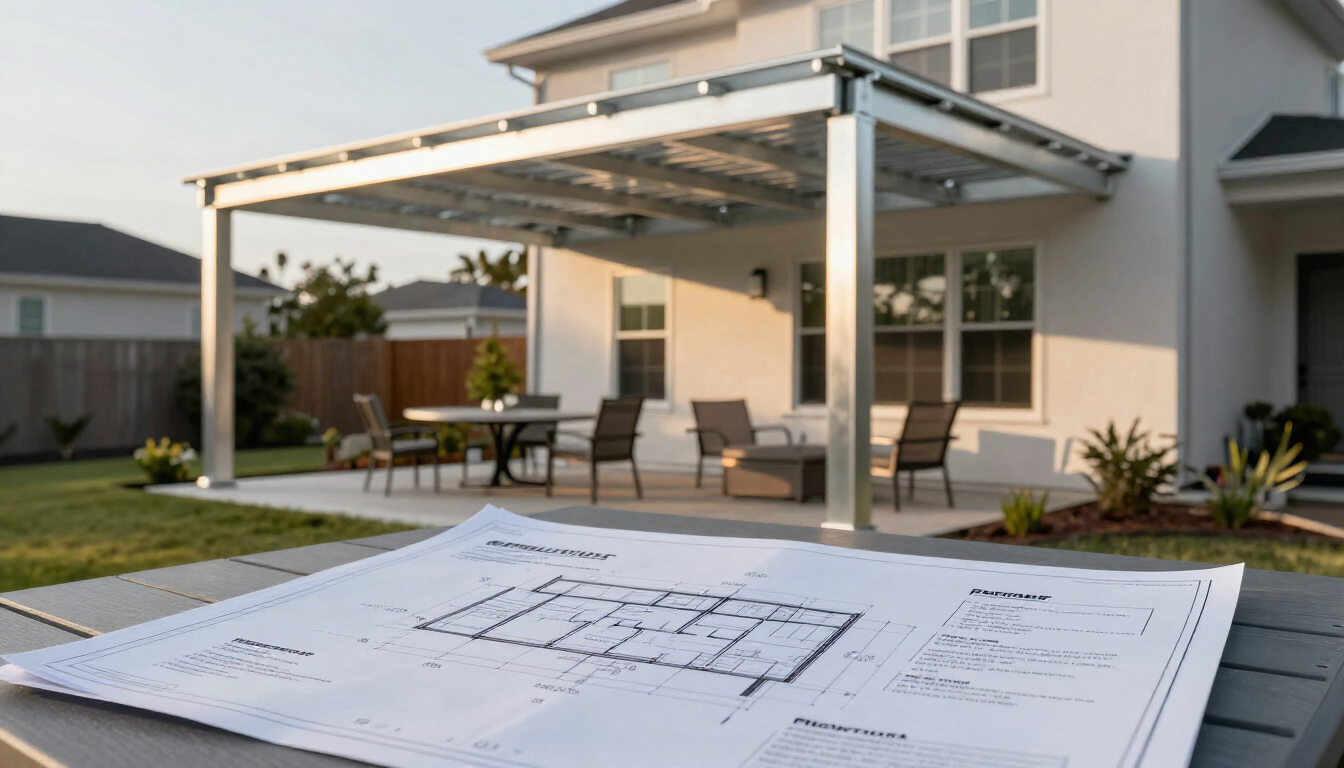
A reliable estimate should describe the complete scope rather than provide only a per-square-foot number. Ask whether the proposal includes labor, structural connections, drainage, trim, cleanup, permit support, and warranty information. You can review patio cover services or recent projects before requesting a consultation.
What Should You Look for When Choosing Panels?
Start with the outcome you want. Are you looking for a shaded dining area, a comfortable sitting space, a screened room, or a weather-protected extension of the home? Your answer will influence roof height, panel insulation, lighting, airflow, and enclosure choices.
Use this checklist when comparing products and contractors:
- Panel construction: Ask about the core, exterior coating, ceiling finish, and available thicknesses.
- Structural design: Confirm how posts, beams, footings, and roof attachments are sized for the site.
- Water management: Review roof pitch, flashing, gutters, downspouts, and where runoff will go.
- Installation quality: Ask who performs the work and how seams, trim, fasteners, and penetrations are sealed.
- Warranty and service: Request written coverage for materials and workmanship, plus maintenance guidance.
Color also matters. Light colors can support a cooler visual impression, while a ceiling finish that complements the home may make the patio feel more like an intentional living area. A contractor should bring samples or photos rather than relying on a small online swatch.
Are Insulated Aluminum Roof Panels Good for Houston Weather?
They can be an excellent fit for Houston when properly designed and installed. The material handles humidity well and avoids several problems associated with untreated wood, including rot and insect damage. However, no patio cover is maintenance-free or automatically storm-proof.
For a Houston-area project, discuss:
- Wind exposure and local code requirements
- Secure connections to the home or independent footings
- Water drainage during heavy rain
- Corrosion-resistant fasteners and compatible metals
- Clearance from trees, utilities, and neighboring structures
- Inspection and permit requirements for the municipality
Areas including Katy, Cypress, The Woodlands, Spring, Richmond, Pearland, League City, and Clear Lake can have different site conditions and permitting processes. A local contractor familiar with the service area can help identify requirements before construction begins.
Can You Add Screens, Fans, or Lighting?
Yes. Insulated aluminum roof panels are commonly combined with screen walls, doors, ceiling fans, recessed lighting, and outdoor-rated electrical components. These additions can turn a basic covered patio into a more usable outdoor room.
Plan these features before installation. Fan boxes, light locations, wiring routes, and screen framing may require specific structural supports or trim details. Adding them later can be more expensive and may produce a less polished result.
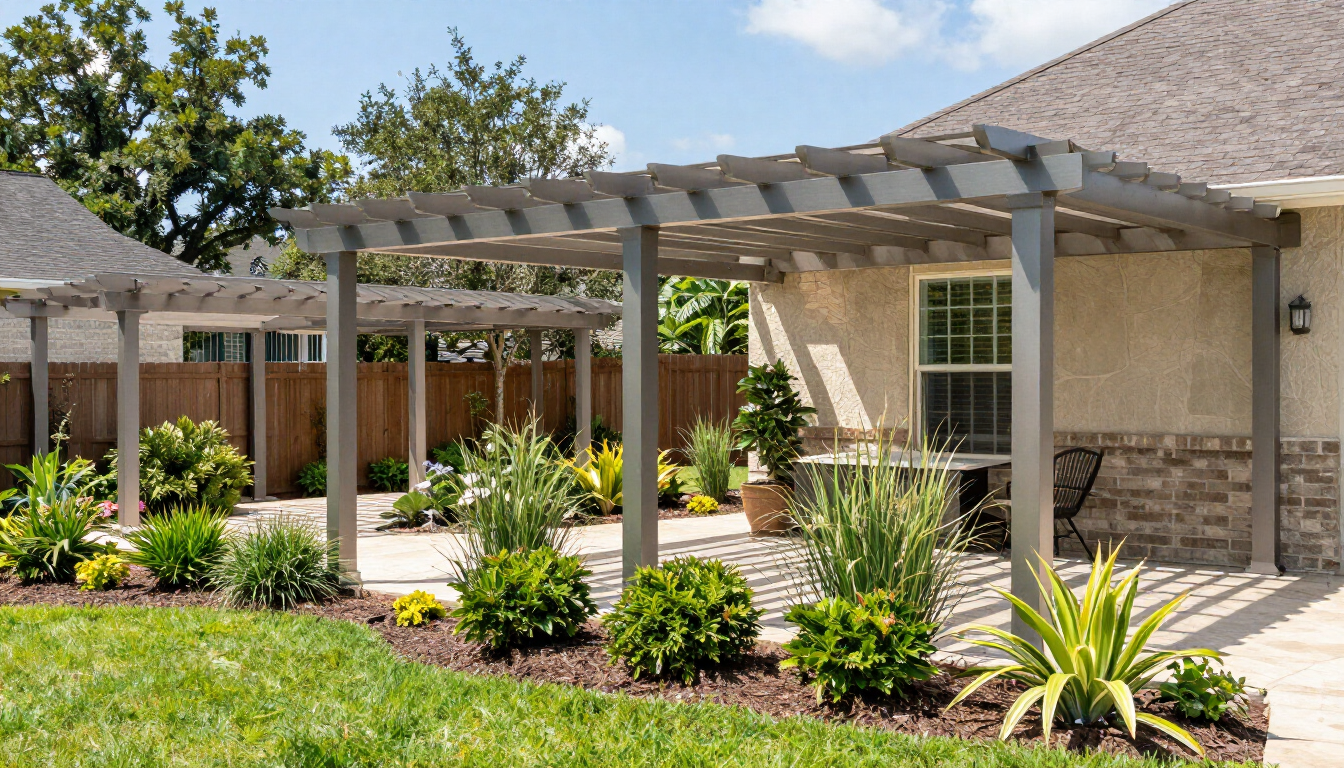
If insect protection is a priority, compare a covered patio with a dedicated screen room enclosure. If an open-air design is more important, review pergola options before choosing a roof system.
Frequently Asked Questions
Do insulated aluminum panels reduce patio heat?
Yes, they reduce heat transfer compared with uninsulated metal roofing. Comfort still depends on sun exposure, airflow, roof color, panel design, and whether the patio has screens or fans.
Do these panels require maintenance?
Maintenance is usually limited to cleaning, clearing gutters, checking seals and fasteners, and inspecting after severe weather. Follow the manufacturer’s care instructions.
Can panels be installed over an existing patio slab?
Often, yes, but the slab must be evaluated for condition, dimensions, drainage, and its ability to accommodate the proposed posts and footings. A site inspection is essential.
Are insulated panels waterproof?
They are designed to create a weather-resistant roof when correctly sloped, joined, flashed, and sealed. Installation details are just as important as the panel itself.
The Practical Takeaway
Insulated aluminum roof panels are a practical choice for homeowners who want a cooler, shaded, lower-maintenance patio without the weight and complexity of a conventional roof. They are especially useful for Houston outdoor spaces exposed to heat, humidity, and heavy rain. Compare panel construction, structural design, drainage, finishes, warranties, and installation experience—not price alone. Next, define how you will use the space, review patio enclosure options, and schedule a site evaluation with a qualified local contractor.