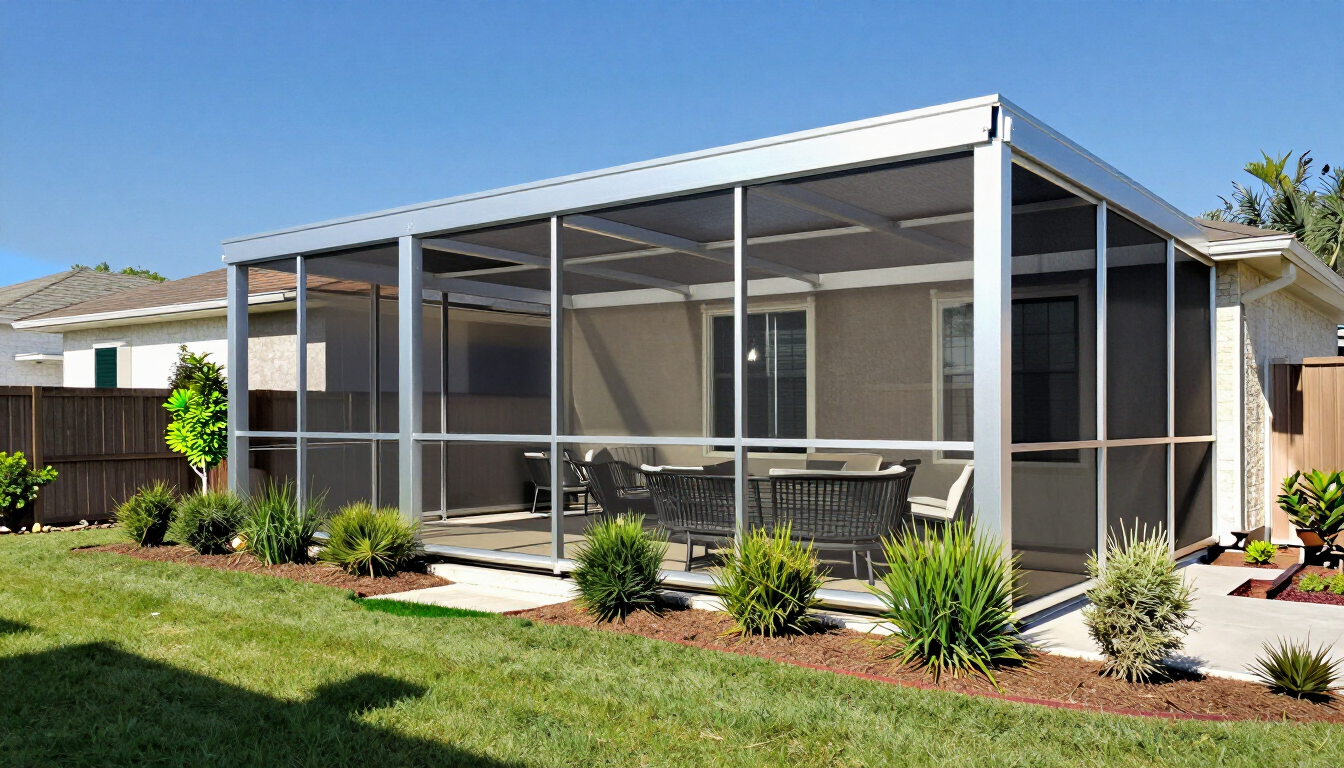
9 Creative Lighting Ideas for a Covered Patio
A covered patio becomes far more useful after sunset when its lighting is planned in layers. The best creative lighting ideas for a covered patio combine ambient glow, focused task lighting, and decorative accents. This approach improves comfort, highlights architectural details, and creates an inviting outdoor room without making the space feel harsh or overlit.
How should you layer lighting on a covered patio?
A simple three-layer plan works well:
- Ambient lighting creates overall visibility with recessed fixtures, flush-mount lights, or soft string lights.
- Task lighting helps with grilling, dining, reading, and serving food.
- Accent lighting adds personality around columns, plants, walls, railings, or architectural features.
Layering is more flexible than relying on one bright ceiling fixture. You can use only the light you need, whether you are hosting dinner or relaxing with a book.
1. Add warm string lights overhead
String lights are one of the easiest ways to make a covered patio feel welcoming. Run them along the inside edge of the roof, across ceiling beams, or in a neat zigzag pattern above a seating area.
Choose outdoor-rated lights with durable wiring and shatter-resistant bulbs. Warm white bulbs, generally around 2,200K to 3,000K, create a relaxed atmosphere without looking yellow or dim. For a polished appearance, keep the lines evenly spaced and secure the cable neatly rather than allowing it to sag randomly.
String lights work especially well with an aluminum patio cover, where the clean structure provides natural attachment points.
2. Use recessed lights for a clean look
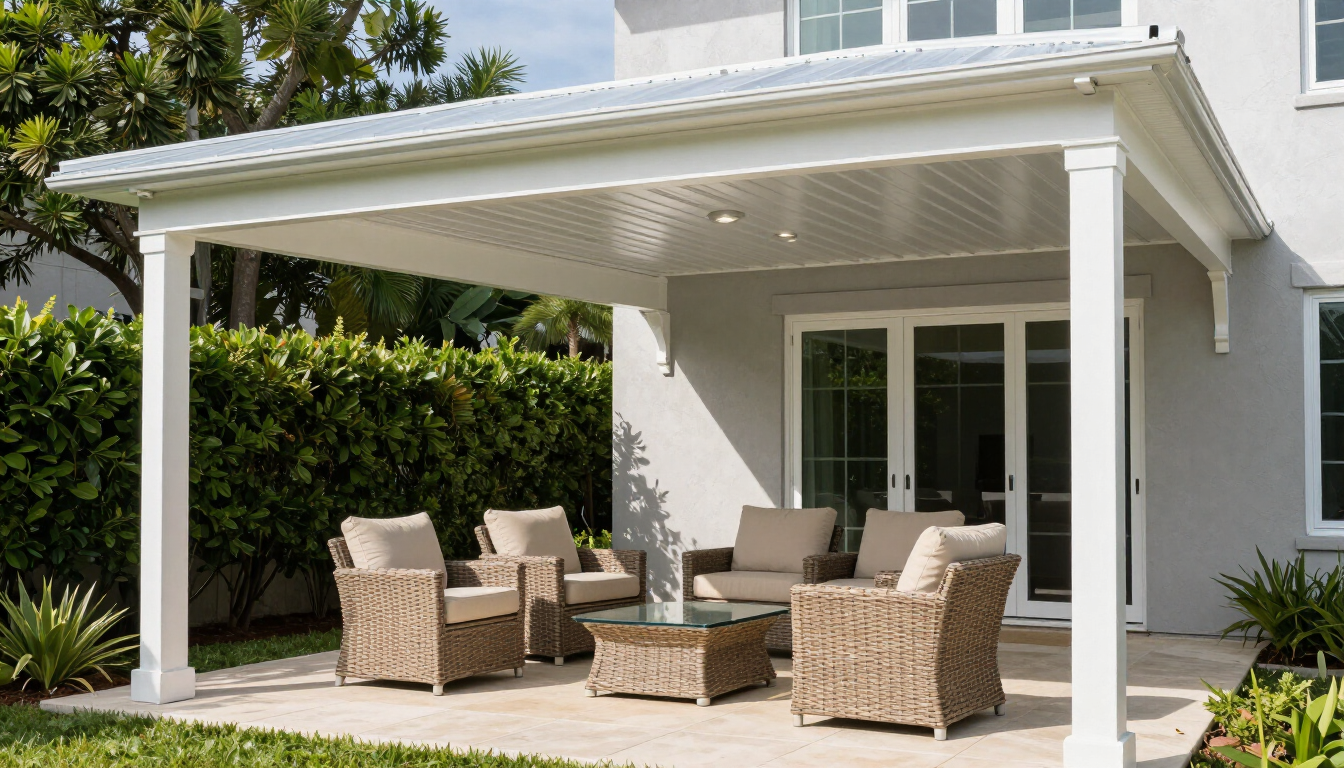
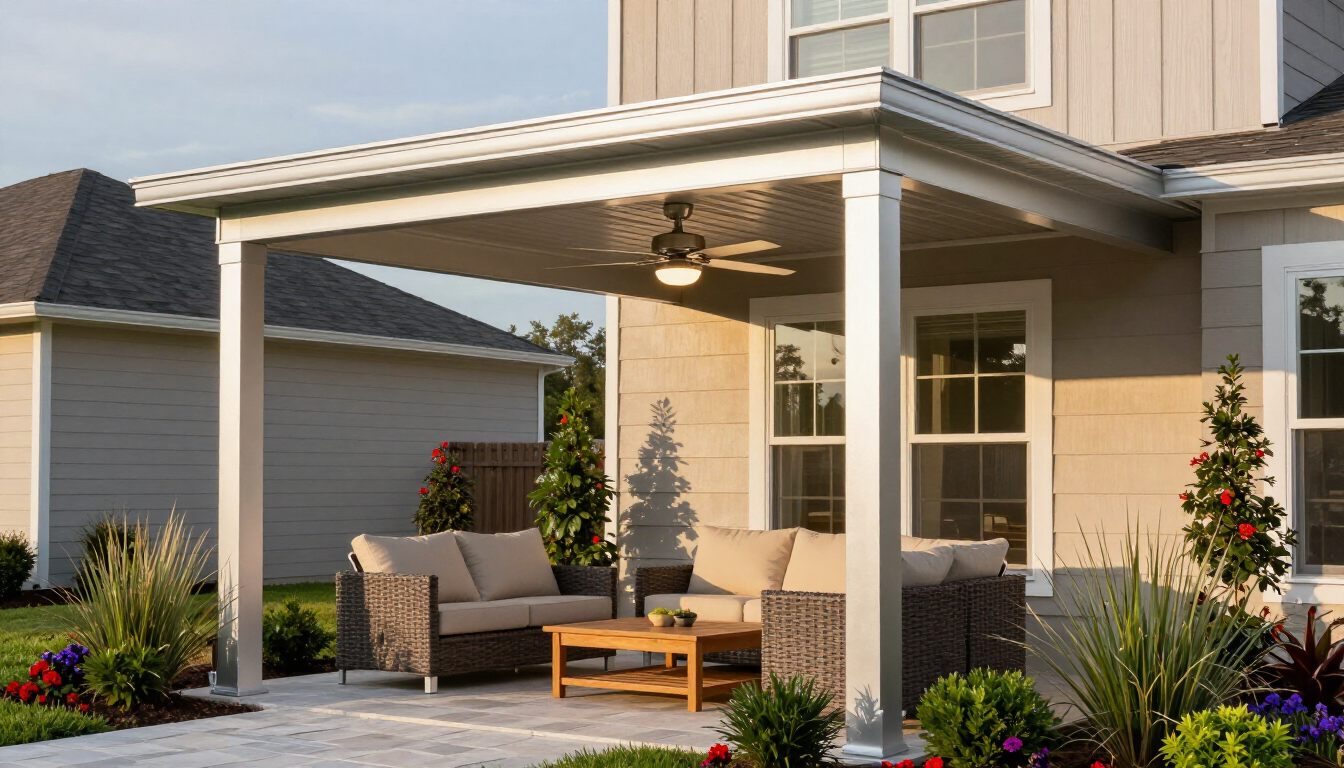
Recessed lights installed into a covered patio ceiling provide even illumination while keeping the design uncluttered. They are a strong choice when you want your patio to feel like an extension of the home.
Place fixtures over circulation paths, dining areas, and seating zones instead of spacing them purely by appearance. Dimmable LED fixtures give you more control: use brighter light while preparing food and a softer setting during conversation.
Select fixtures rated for damp locations when the patio is protected but still exposed to humidity. A qualified electrician can also confirm appropriate wiring, switching, and circuit capacity.
3. Highlight beams, posts, and roof details
Make the structure part of the design
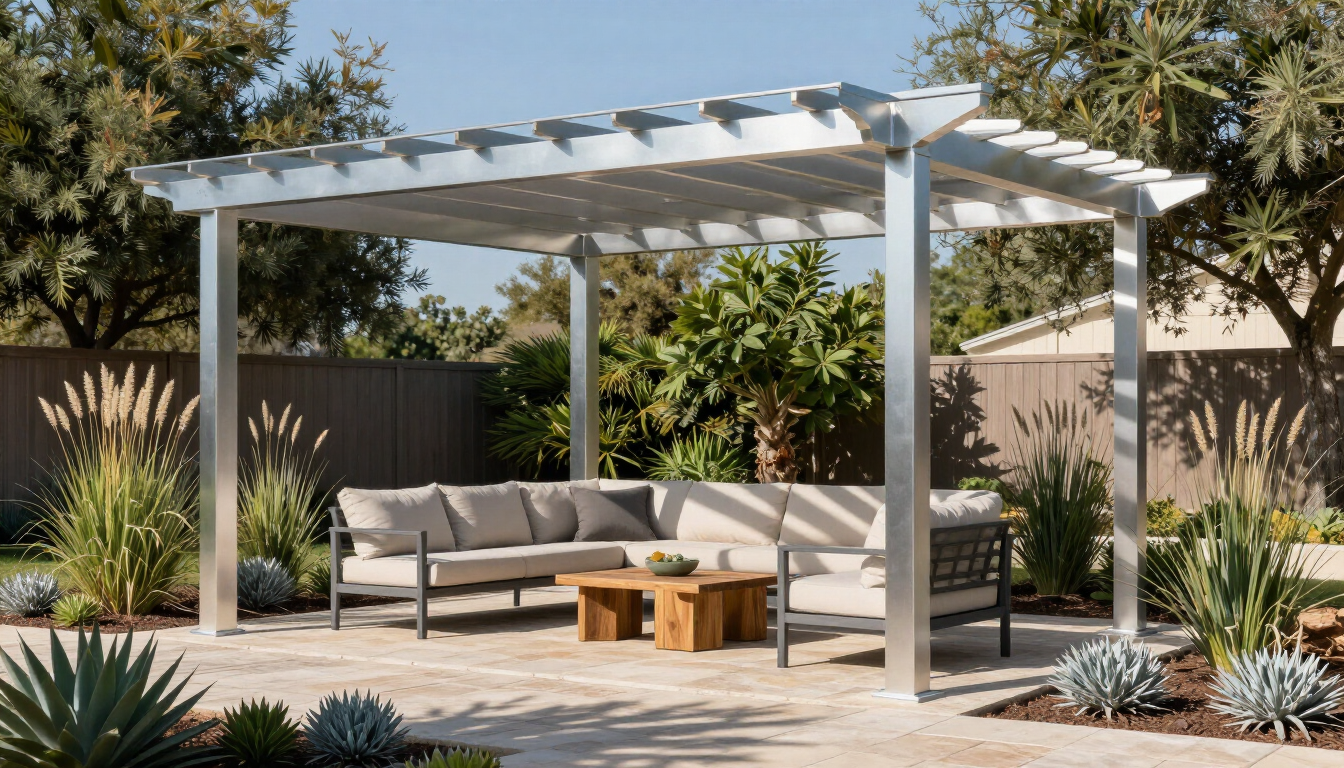
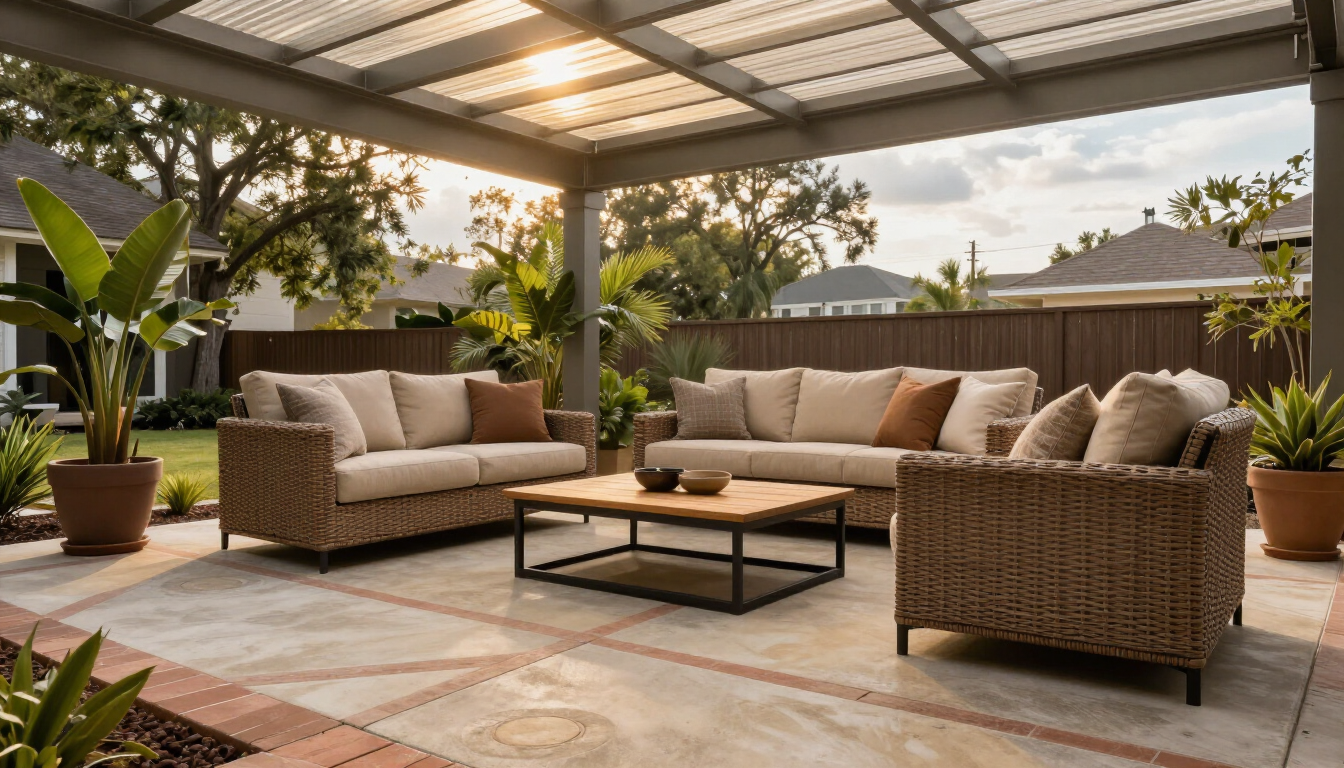
A covered patio has built-in visual features that can become part of the lighting plan. Small uplights or narrow beam fixtures can emphasize support posts, decorative columns, ceiling beams, or the edge of a pergola.
Try these approaches:
- Install subtle strip lighting beneath a beam or roof edge.
- Aim adjustable fixtures toward textured walls or masonry.
- Place uplights at the base of posts for a taller, more dramatic effect.
- Use a separate switch so architectural lighting does not need to stay on all evening.
Keep accent lighting gentle. The goal is to reveal details, not create glare for people sitting nearby.
4. Create a glowing dining zone
A pendant light or outdoor chandelier centered above a dining table can make meals feel more intentional. Look for a fixture designed for outdoor or damp conditions, with materials that resist corrosion and weather exposure.
Hang the fixture high enough to preserve sightlines across the table, but low enough to provide useful light. If the ceiling is low, choose a compact flush-mount fixture instead. A dimmer allows the same dining area to shift from bright family meals to a softer entertaining setting.
For a larger patio, define the dining area with one central fixture and use low-level lights around the perimeter. This keeps the table visually anchored without flooding the entire space.
5. Light steps and walkways for safety
Decorative lighting should never replace basic safety lighting. Add low-glare fixtures near steps, changes in elevation, gates, and paths leading into the yard.
Good options include recessed step lights, compact wall sconces, path lights, and low-voltage fixtures. Aim lights downward and avoid placing a bright fixture directly at eye level. Consistent spacing is usually more comfortable than alternating bright and dark patches.
If your patio connects to a pool, outdoor kitchen, or detached structure, review the entire route at night. A lighting plan should help guests move safely from one area to another.
6. Add lanterns for flexible atmosphere
Portable lanterns are useful when you want to change the mood without rewiring the patio. Battery-powered or rechargeable LED lanterns can sit on a table, shelf, step, or outdoor bar.
Choose weather-resistant products with stable bases. Flameless candles offer a similar glow without an open flame, which is particularly practical around curtains, cushions, children, and pets. Lanterns also let you test different locations before committing to permanent fixtures.
For a coordinated look, repeat one finish—such as black, bronze, or brushed metal—across lanterns, sconces, and furniture accents.
7. Try color-changing accent lighting carefully
Color-changing LEDs can support holidays, parties, or special occasions, but they work best as occasional accent lighting rather than the patio’s primary source. Keep everyday lighting warm and neutral, then use color behind planters, beneath benches, or along a privacy wall when you want a different mood.
Smart controls can make the system easier to manage. Set schedules, adjust brightness from your phone, or create scenes for dinner, entertaining, and quiet evenings. Make sure every component is rated for its location and protected from direct weather exposure.
8. Illuminate plants and privacy screens
Landscape lighting can make the covered patio feel connected to the rest of the yard. Use small spotlights to graze tree trunks, wash a planted bed, or silhouette ornamental grasses behind the seating area.
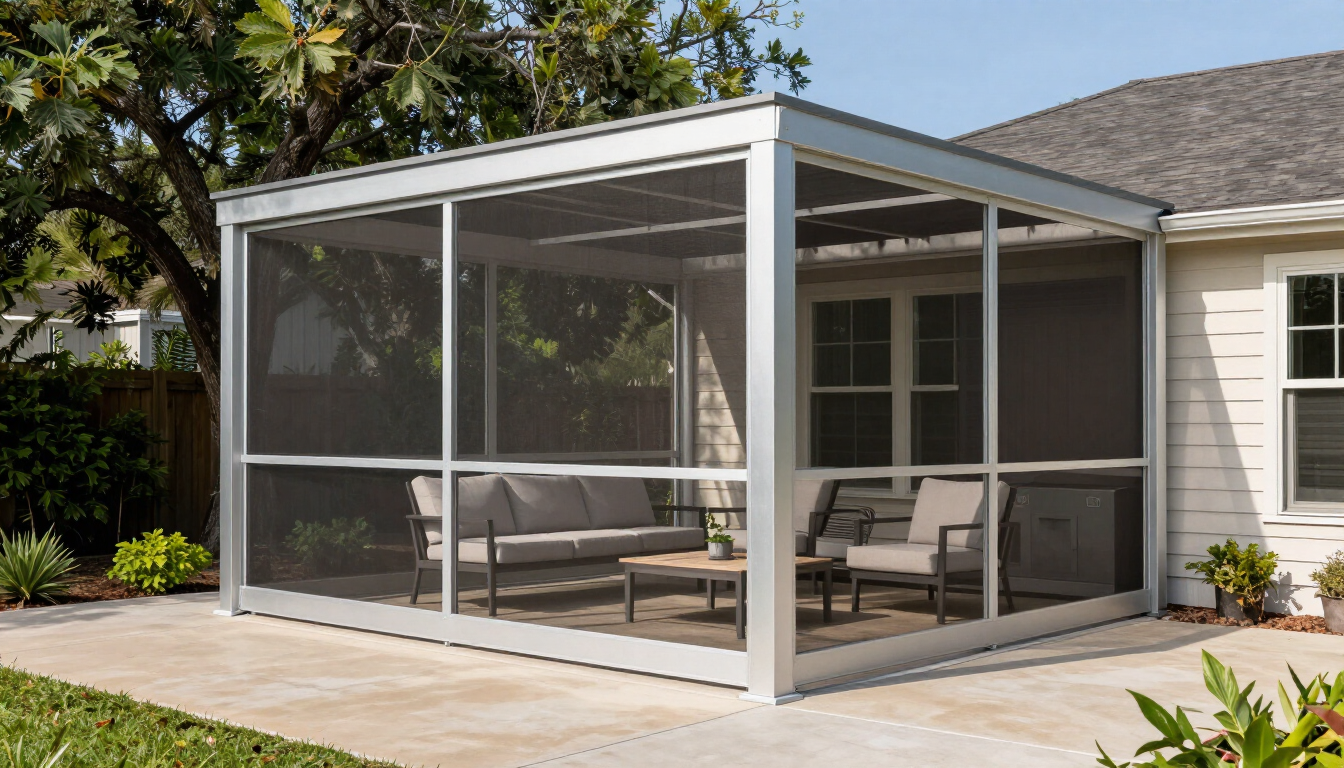
Avoid aiming intense light into neighboring properties or directly toward the home. Soft, downward-facing fixtures usually provide enough visual interest while limiting glare. If you are adding a screen room, coordinate the lighting with the enclosure’s framing and entry path. Explore patio enclosures for ideas about creating a more comfortable outdoor room.
9. Install under-counter and grill lighting
Outdoor kitchens and serving counters need practical illumination. LED strips beneath cabinets, small downlights over prep areas, or a focused fixture above the grill can make cooking easier after dark.
Use protected, outdoor-rated components and place switches where they are easy to reach without crossing a hot cooking surface. Under-counter lighting should illuminate the work surface rather than shine into people’s eyes. If your patio includes a bar, add a separate low-level glow beneath the counter for visual interest.
What should you consider before installing patio lighting?
Before choosing fixtures, review the patio’s layout, roof material, electrical access, and exposure to rain or humidity. Then consider:
- Purpose: Will the space support dining, cooking, reading, entertaining, or all four?
- Controls: Would separate switches, dimmers, timers, or smart controls be useful?
- Color temperature: Warm white usually feels more comfortable outdoors than cool white.
- Durability: Confirm that fixtures, connectors, and cables are rated for outdoor conditions.
- Glare: Check the view from every seat, doorway, and neighboring property.
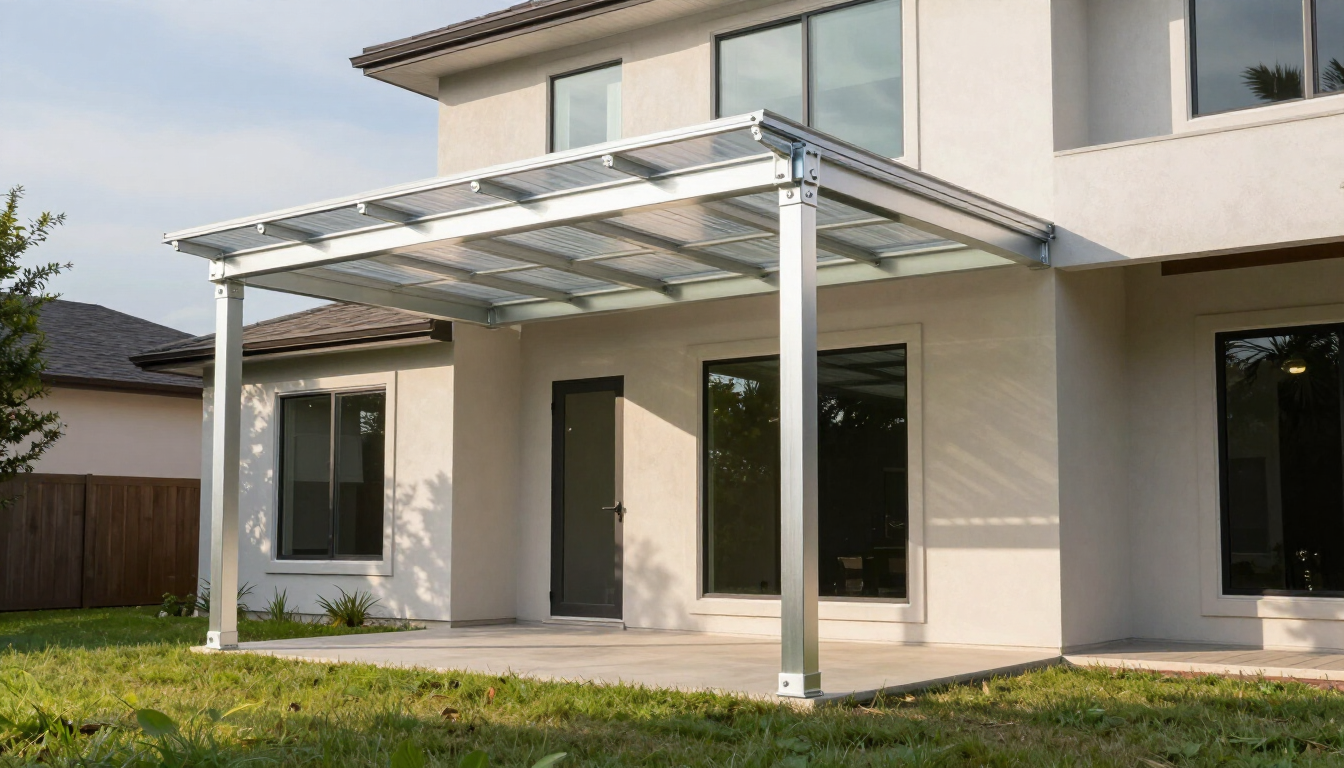
A lighting professional or qualified electrician can help determine whether your existing wiring can support the plan. For the structure itself, compare options through patio covers, pergolas, and pergola photos.
How much light does a covered patio need?
A covered patio usually needs enough ambient light for safe movement, plus brighter task lighting at work areas. There is no single fixture count that fits every patio because ceiling height, surface color, layout, and intended use all affect brightness.
Start with a dimmable base layer, then add focused lighting where activities happen. Light-colored ceilings and walls reflect more light, while dark finishes absorb it. Testing temporary fixtures at night can help you identify shadows and glare before permanent installation.
Final takeaways
Creative lighting ideas for a covered patio work best when they balance beauty, safety, and flexibility. Begin with warm ambient lighting, add task fixtures over dining or cooking zones, and use accents to highlight the structure and landscape. Choose outdoor-rated equipment, control glare, and install separate switches or dimmers whenever possible. If your current patio lacks the right roof, posts, or electrical layout, evaluate your patio cover options before finalizing the lighting design. Then compare fixture placement from the viewpoints you will actually use most often.