
5 Ways to Maximize Outdoor Space With Pergolas

Brian Sonnier • September 23, 2026

Outdoor space design works best when your patio cover, pergola, furniture, pathways, and planting areas are planned as one connected space. Start with how you want to use the backyard, then add shade, comfortable zones, privacy, lighting, and low-maintenance landscaping that fit your home and Houston-area climate.

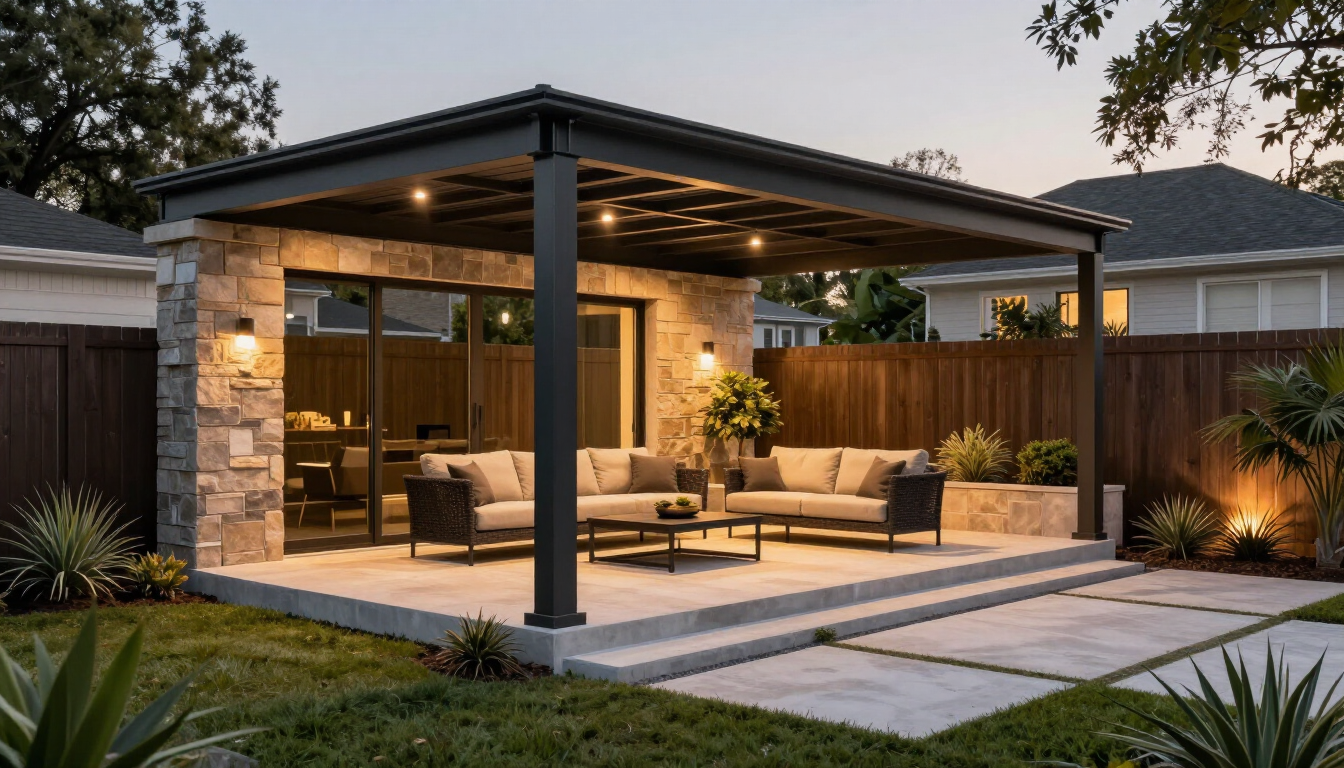
Outdoor space design with a pergola and aluminum patio cover

What does outdoor space design include?

Outdoor space design is the process of arranging your yard, patio, structures, plants, and features so they support the way your household lives outside. It is more than choosing attractive furniture or planting a flower bed. The goal is to create an outdoor area that feels comfortable, useful, and connected to the home.

For a Houston-area backyard, thoughtful planning can help address intense sun, sudden rain, humidity, and changing temperatures. A well-designed space might include:

  • A shaded dining or lounging area
  • A pergola for definition and filtered light
  • An aluminum patio cover for dependable protection
  • Planting beds that soften hard edges
  • Walkways connecting the home, lawn, and gathering areas

Start by reviewing your options for patio covers and considering which parts of the yard need shade most often.

1. How do you plan zones for a more useful backyard?

The first step is to divide the yard into activity zones. Instead of treating the patio as one large empty surface, decide what each area should help you do. Common zones include dining, grilling, conversation, play, gardening, and quiet relaxation.

Make a simple list of your priorities:

  1. Identify where people naturally enter and leave the house.
  2. Note the direction of morning and afternoon sun.
  3. Mark views you want to preserve and areas you want to screen.
  4. Place the most-used zone closest to the kitchen or back door.
  5. Connect each zone with a clear path or visual transition.

This approach keeps the design practical. For example, a dining table should not be isolated at the far end of the yard if meals are prepared inside. Likewise, a reading chair may work better in a quieter corner than beside the grill.

Build around shade and shelter

Shade is one of the most important elements in an outdoor living area, especially during a hot Texas summer. It also determines how long people can comfortably use the space throughout the day.

An aluminum patio cover provides a defined, protected area for seating and dining. It can make an existing patio more functional while helping shield furniture from sun and rain. Explore aluminum patio cover options to compare a durable cover with your home’s exterior and layout.

A pergola offers a different experience. Its open design can create a focal point, support climbing plants, and provide partial shade without making the yard feel enclosed. See pergola ideas for inspiration before deciding how open or structured the space should feel.

Consider these questions before choosing a structure:

  • Do you need full weather protection or filtered shade?
  • Will the structure cover dining furniture, a grill, or a seating area?
  • Should it attach to the home or stand independently?
  • How will its roofline, columns, and materials relate to the house?

2. How can a pergola connect landscaping and architecture?

A pergola feels integrated when the landscape appears to lead toward it rather than stop around it. Use planting, paving, and furniture to create a visual relationship between the structure and the rest of the yard.

For example, a path of pavers can guide guests from the back door to a pergola. Matching planters can repeat the color or texture of nearby architectural materials. Ornamental grasses, shrubs, or flowering plants can soften posts without blocking circulation.

Keep mature plant size in mind. Plants that look small at installation may eventually crowd seating, obstruct views, or require frequent trimming. Leave enough space for maintenance and allow air to move around the structure.

A simple planting arrangement often works well:

  • Taller shrubs or small trees at the back for framing
  • Medium-height plants along the edges for softness
  • Low groundcover or containers near walkways
  • One or two accents near the entrance to draw attention

For examples of finished structures and planting relationships, browse the company’s pergola photos.

3. Which materials and features make the space easier to maintain?

Outdoor living should not become a second full-time job. Choose materials and features that can handle local weather and match the amount of upkeep you are willing to do.

Aluminum is a practical option for patio covers and pergolas because it is lightweight, durable, and does not require the same routine maintenance as many wood structures. Hardscape materials should also be selected for drainage, slip resistance, and easy cleaning.

Low-maintenance landscape choices may include:

  • Native or climate-adapted plants
  • Drip irrigation for planting beds
  • Mulch or decorative stone in defined areas
  • Durable outdoor fabrics that can be cleaned easily
  • Containers positioned where watering is convenient

Good drainage matters just as much as appearance. Keep water moving away from the home and avoid creating low spots beside posts, furniture, or planting beds. If you are combining a structure with an existing patio, review the full range of services before finalizing the layout.

Make small yards feel larger

Maximizing outdoor space does not always mean adding more square footage. It often means reducing visual clutter and giving every section a clear purpose.

Use a consistent palette of two or three primary materials. Repeat colors between cushions, planters, fencing, and flowers. Choose furniture that fits the scale of the patio, and use benches or built-in edges when a large seating set would restrict movement.

Vertical elements can also increase function without taking up much floor area. A pergola, trellis, privacy screen, hanging planter, or narrow raised bed draws the eye upward. This makes a compact yard feel layered instead of crowded.

Leave comfortable circulation space around tables and chairs. A beautiful plan that is difficult to walk through will not perform well in everyday use.

4. How should you add privacy, lighting, and comfort?

Privacy works best when it is designed in layers rather than treated as a solid wall. Combine fencing, evergreen plants, screens, curtains, or the structure itself to block specific views while preserving airflow and daylight.

Lighting should support movement and mood. Use low-level path lights near changes in elevation, softer lighting around seating, and focused illumination near grilling or food-preparation areas. Avoid placing bright fixtures directly in people’s line of sight.

Comfort also includes details that are easy to overlook:

  • Ceiling fans or airflow where appropriate
  • Outdoor-rated outlets for lighting and entertaining
  • Storage for cushions and garden tools
  • A clear location for the grill or smoker
  • Furniture arranged for conversation rather than only toward a television

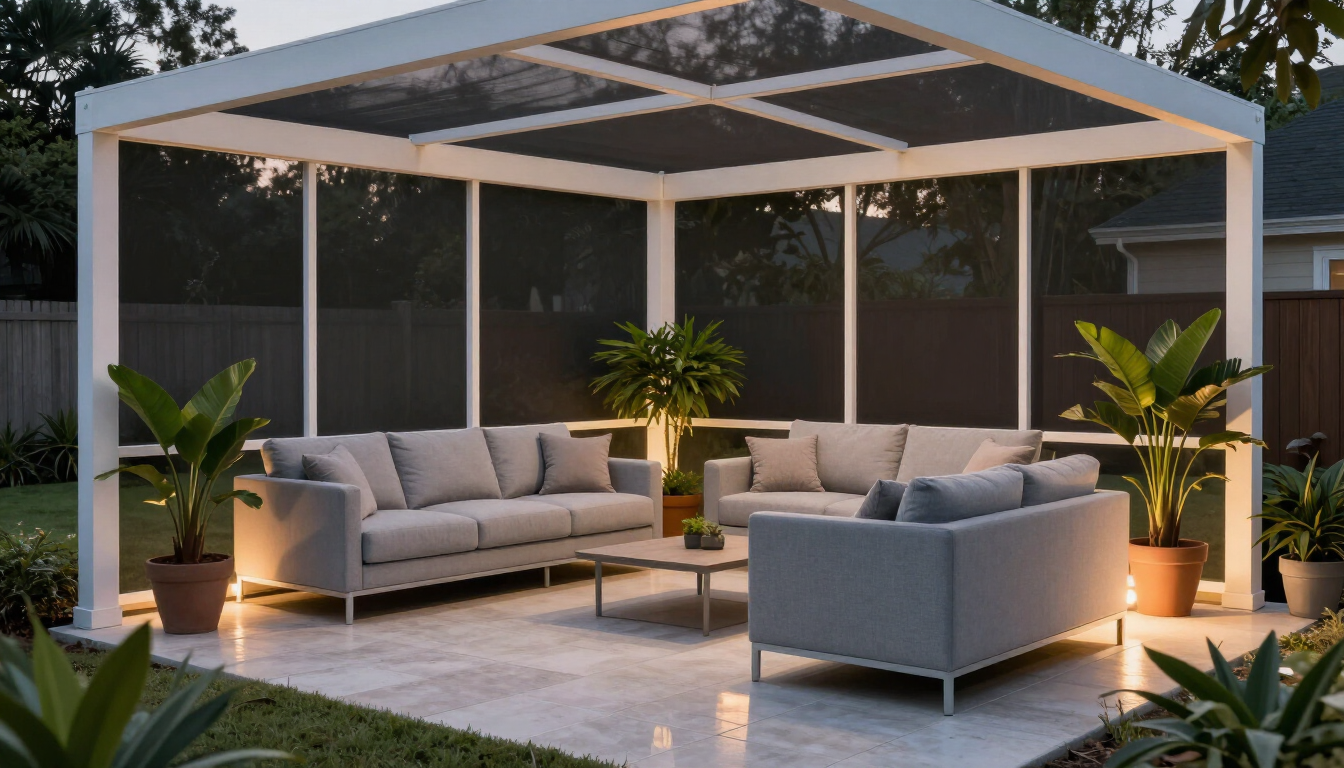
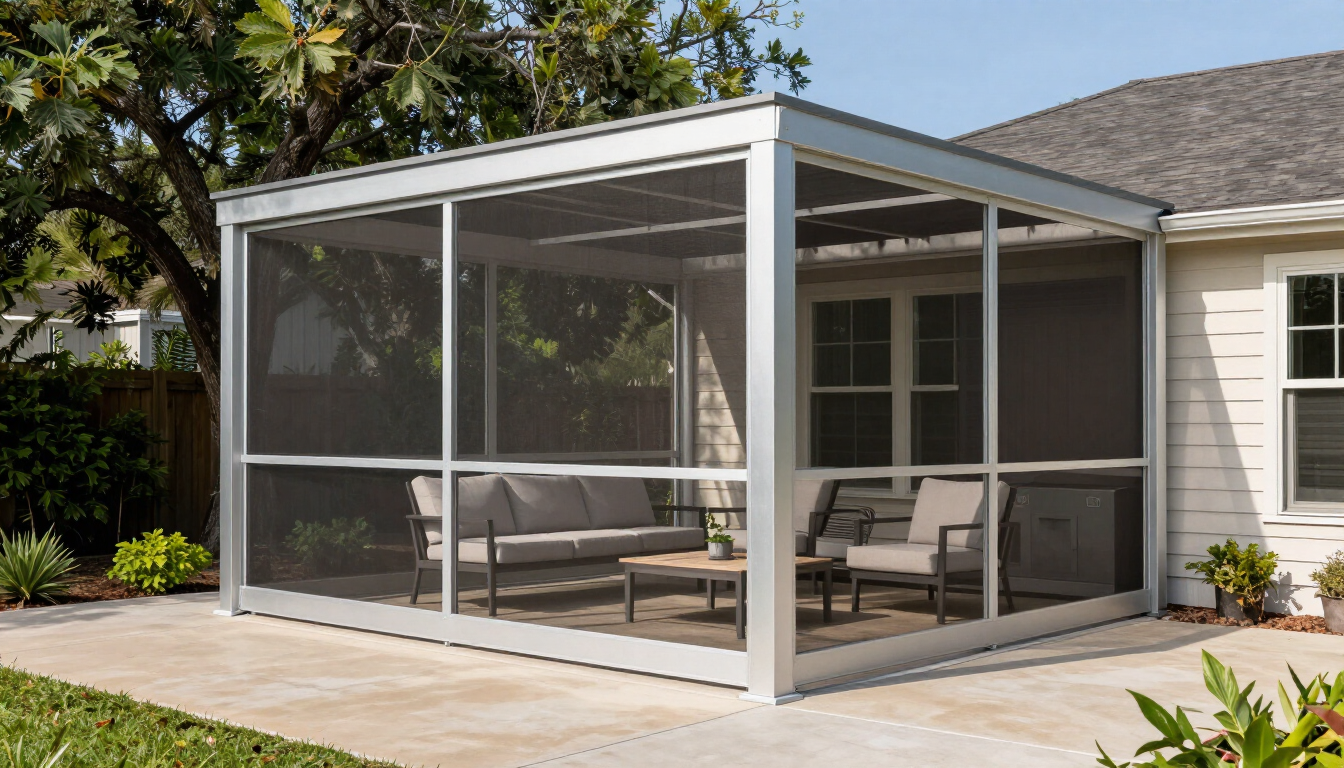
If mosquitoes or weather limit how often you use the patio, a screen room enclosure may provide a more protected option.

Comfortable screened outdoor living area with plants and layered lighting

A practical outdoor design checklist

Before construction begins, confirm that your plan answers these questions:

  • What activities will happen outside most often?
  • Where is shade needed during the hottest part of the day?
  • How will people move between the home, patio, lawn, and garden?
  • Which plants and materials fit your maintenance preferences?
  • Does the structure look proportional to the home and yard?

It can help to sketch the property from above and mark doors, windows, existing trees, utilities, drainage patterns, and preferred views. Then compare the sketch with photos of the current space. This simple exercise often reveals circulation problems before they become expensive changes.

When should you work with a patio cover contractor?

Professional guidance is valuable when the project involves an attached structure, drainage changes, electrical work, unusual property lines, or several connected features. A contractor can help evaluate the existing patio, recommend appropriate materials, and coordinate the structure with the home’s proportions.

Look for an experienced local team that can explain options clearly and show relevant completed work. Lone Star Patio Covers & Enclosures serves homeowners throughout the Greater Houston area, including Katy, Cypress, The Woodlands, Spring, Richmond, Tomball, Conroe, Pearland, and surrounding communities. You can review projects , read testimonials , or contact the team to discuss your space.

Final takeaways

The best outdoor space design combines comfort, movement, shade, and landscaping instead of treating each feature as a separate project. Begin with the activities your household values, then organize the yard into practical zones. Add an aluminum patio cover when dependable shelter is the priority, or use a pergola to define space while keeping a lighter, more open feel. Finish with climate-appropriate planting, privacy, lighting, and easy circulation. Before choosing materials or finalizing a layout, compare your needs with the available patio enclosure and outdoor living options, then evaluate which solution fits your home, budget, and maintenance goals.

Recent Posts

Trusted patio builder Houston custom aluminum patio cover and screen enclosure
By Brian Sonnier • September 23, 2026
Learn what to look for in a trusted patio builder in Houston, from experience and materials to permits, warranties, project photos, and clear estimates.
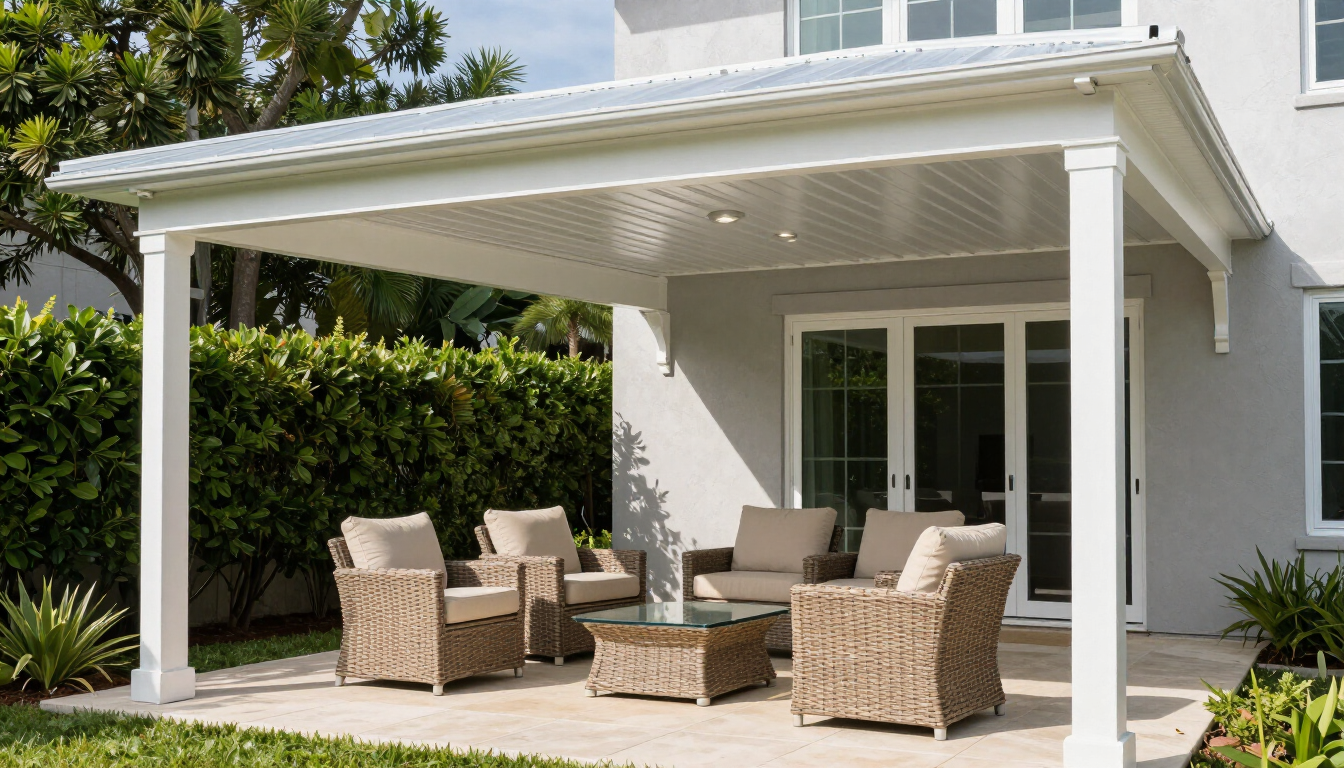
Insulated aluminum roof panels on a Houston patio cover
By Brian Sonnier • September 23, 2026
Learn how insulated aluminum roof panels work, their benefits, costs, insulation value, and how to choose the right patio cover roofing for your Houston home.
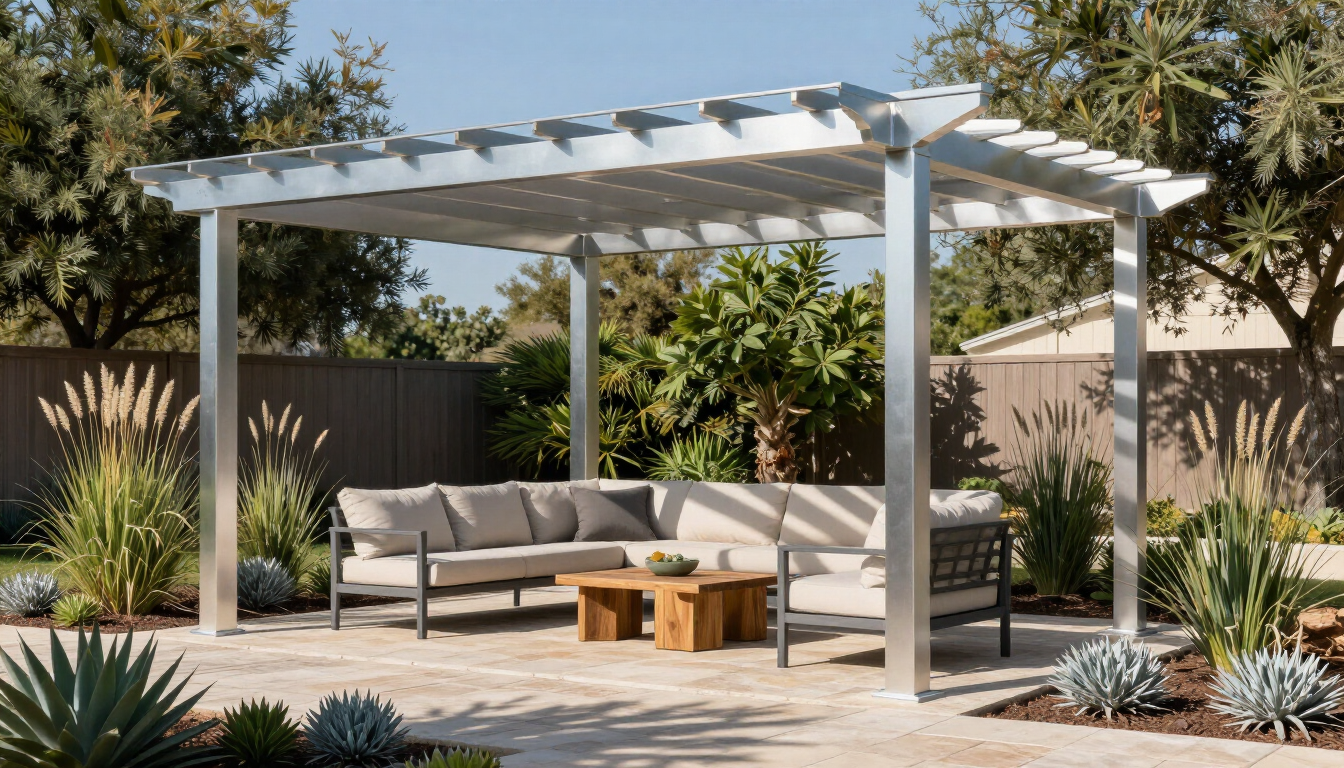
Pergola design ideas for Texas heat with shaded outdoor seating
By Brian Sonnier • September 23, 2026
Explore practical pergola design ideas for Texas heat, including shade, airflow, materials, and layout tips for comfortable Houston-area outdoor living.
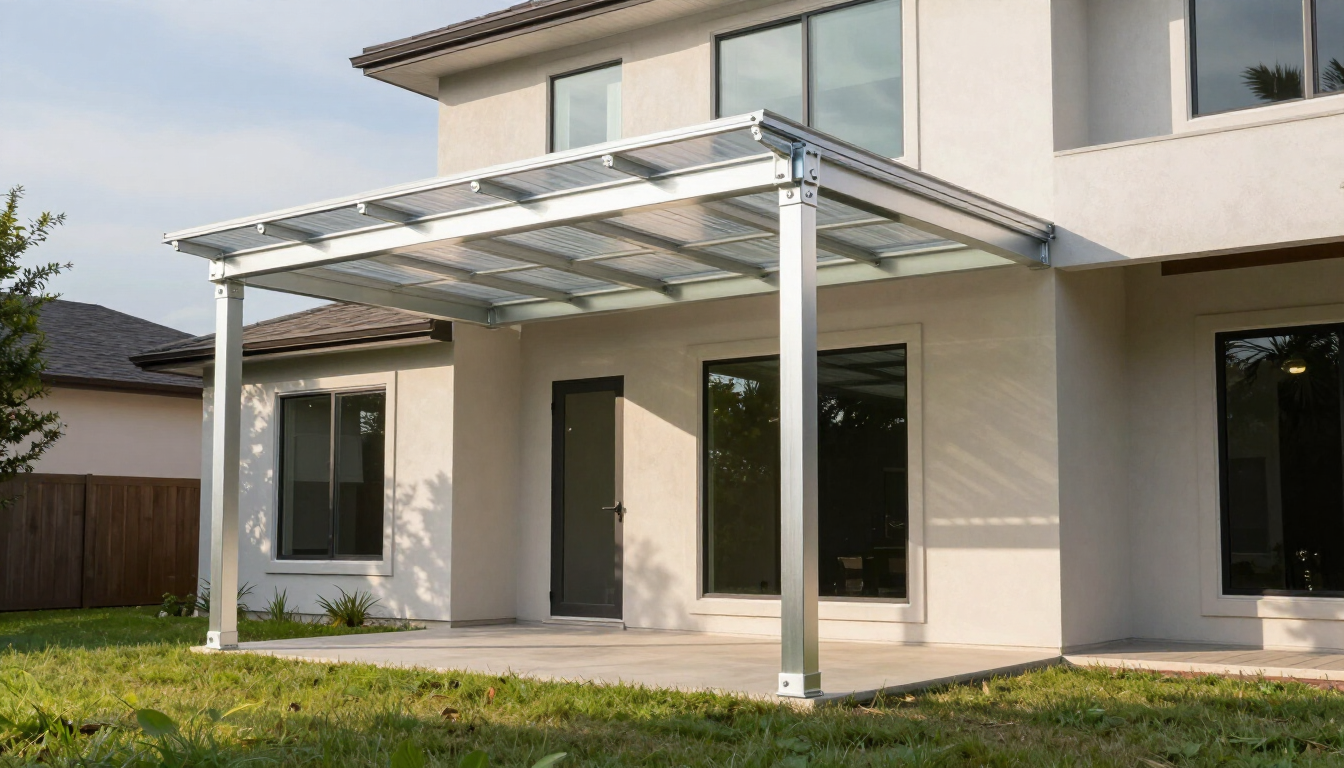
Building a patio cover in Houston to meet local building codes
By Brian Sonnier • September 23, 2026
Learn how to build a patio cover that meets Houston building codes, including permits, setbacks, wind loads, drainage, inspections, and contractor tips.
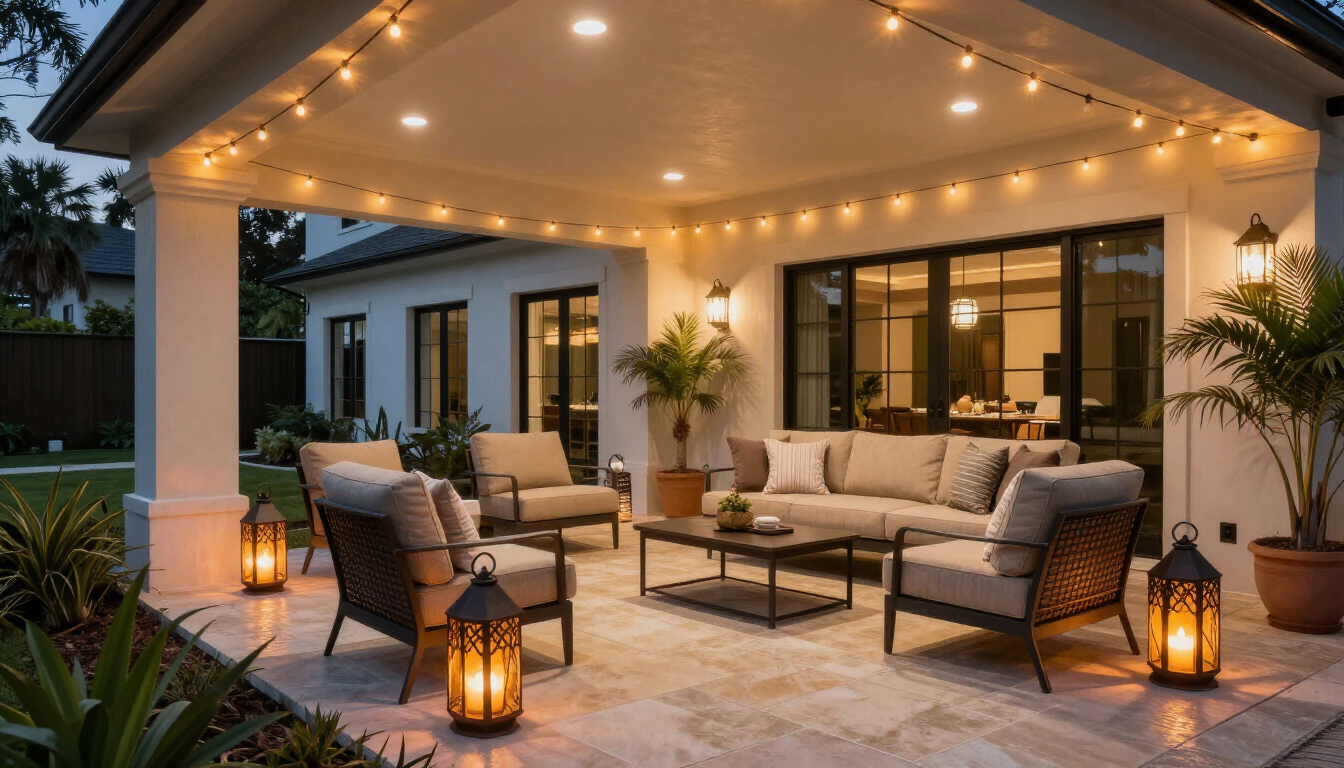
Creative lighting ideas for a covered patio with warm layered lights
By Brian Sonnier • September 23, 2026
Explore nine creative lighting ideas for a covered patio, from string lights to layered task lighting, to make your Houston outdoor space warmer and more useful.
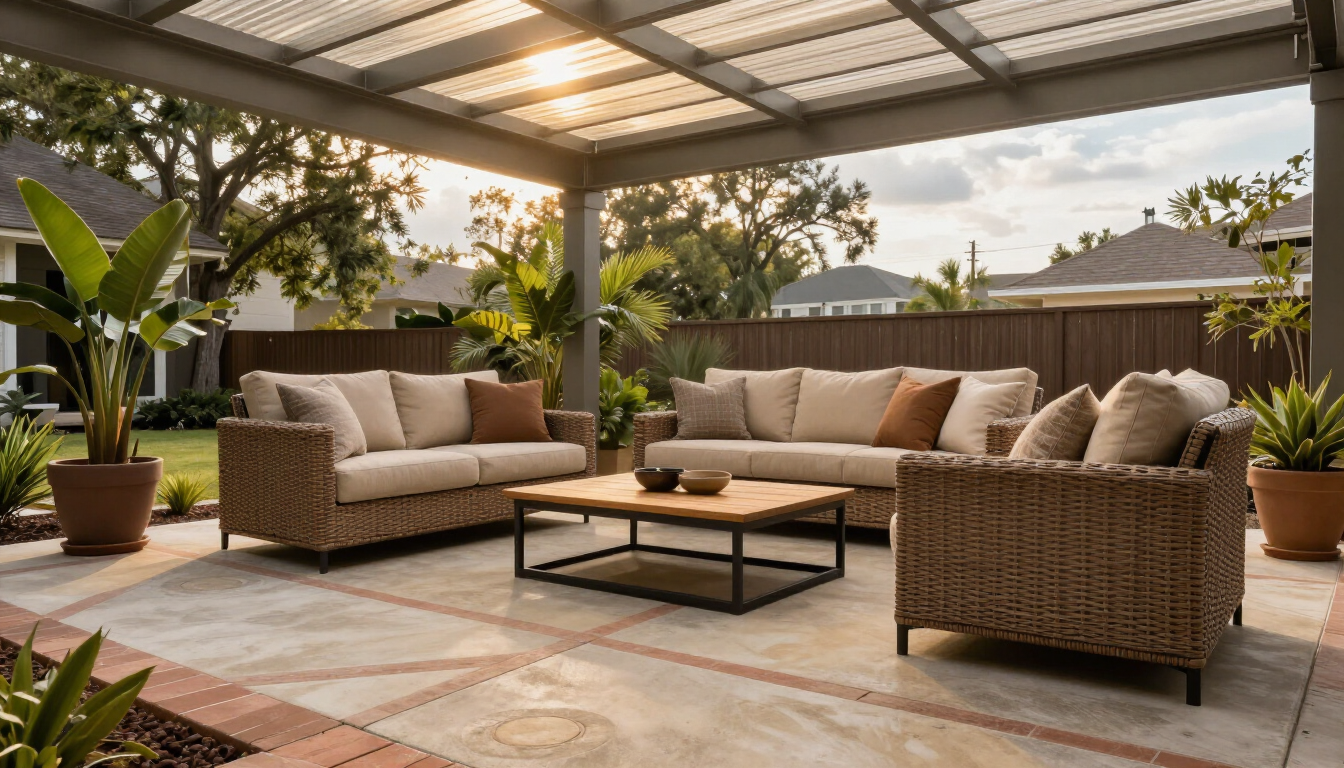
Patio concrete flooring options beneath an aluminum patio cover
By Brian Sonnier • September 23, 2026
Compare patio concrete flooring options for Houston outdoor living spaces, including stamped, stained, textured, and budget-friendly finishes for homeowners.
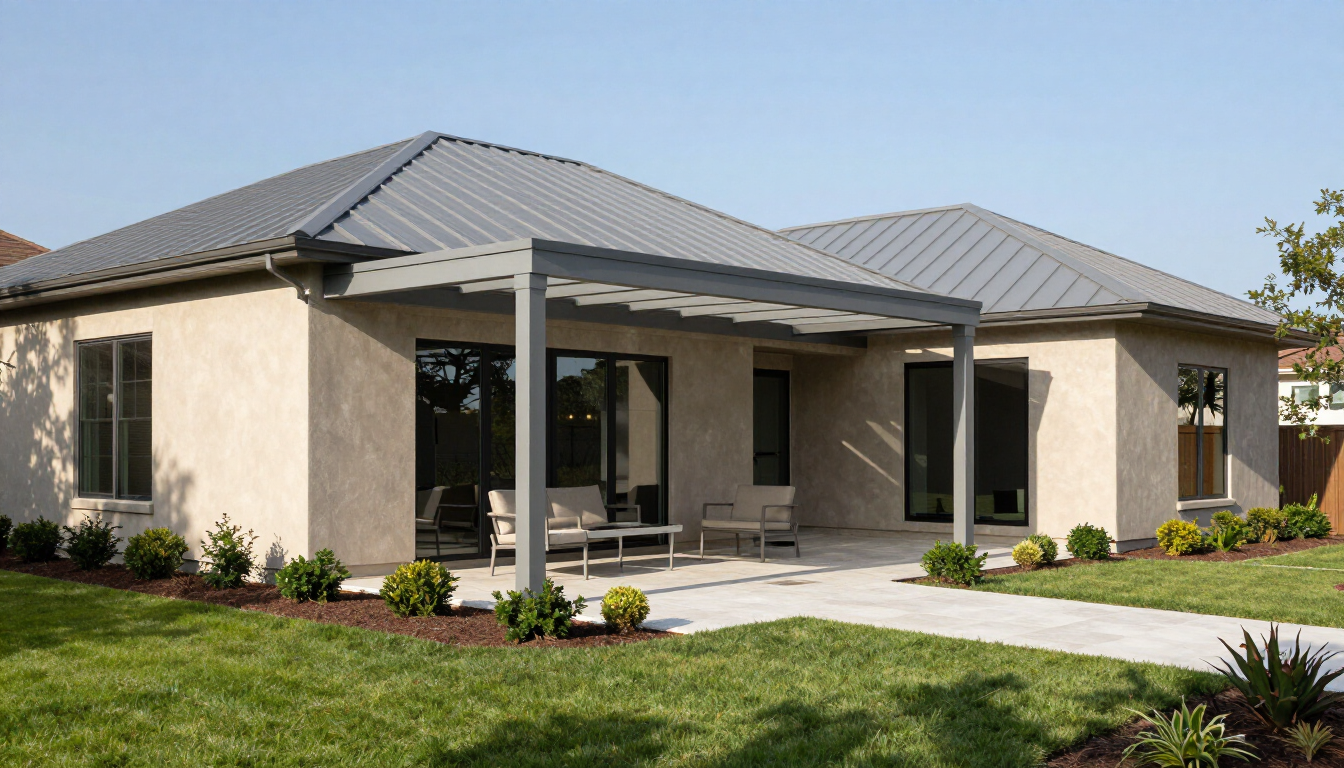
Aluminum patio roof extension on a Houston home
By Brian Sonnier • September 23, 2026
Compare the best patio roof extension materials for Houston homes, including aluminum, wood, vinyl, and insulated panels, with practical cost and maintenance guidance.
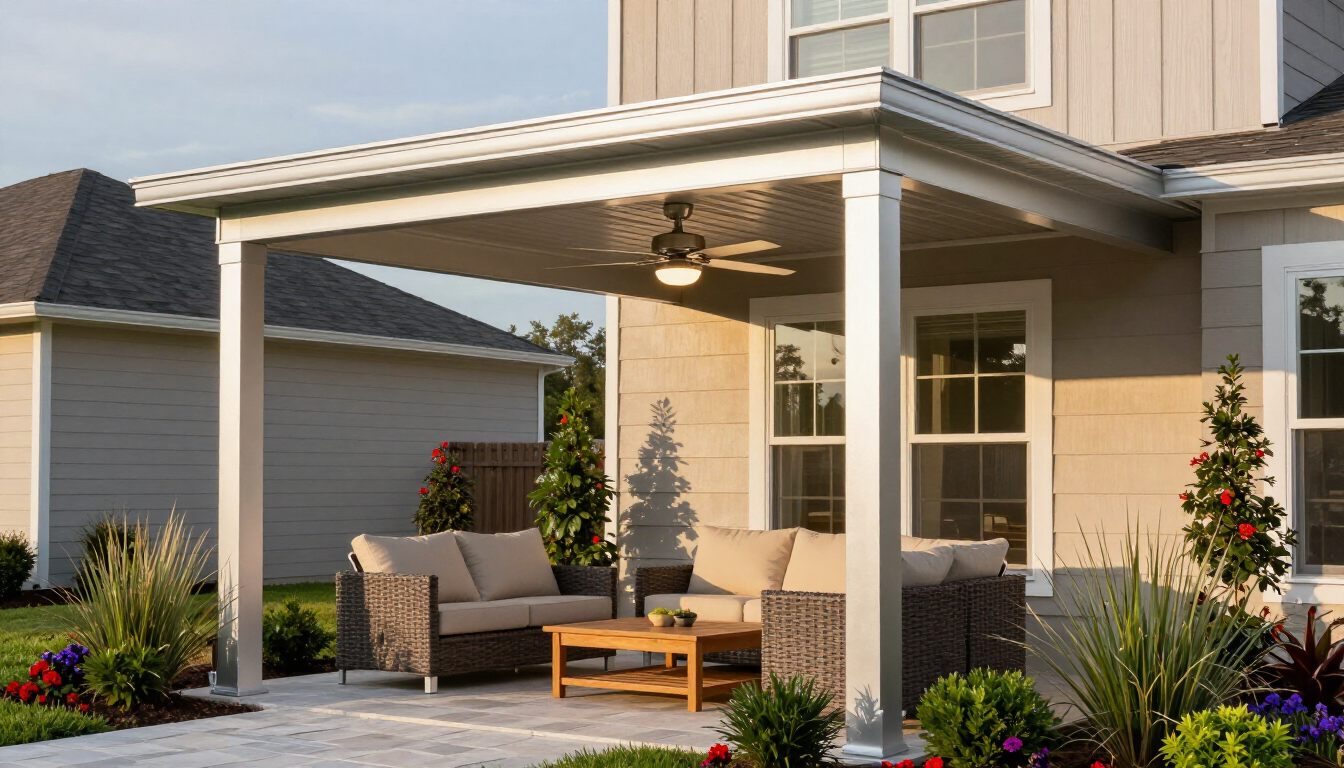
Aluminum patio cover with shade and outdoor seating in Katy, TX
By Brian Sonnier • September 23, 2026
Discover the patio cover features homeowners in Katy, TX request most, from shade and drainage to lighting, privacy, and durable aluminum design.
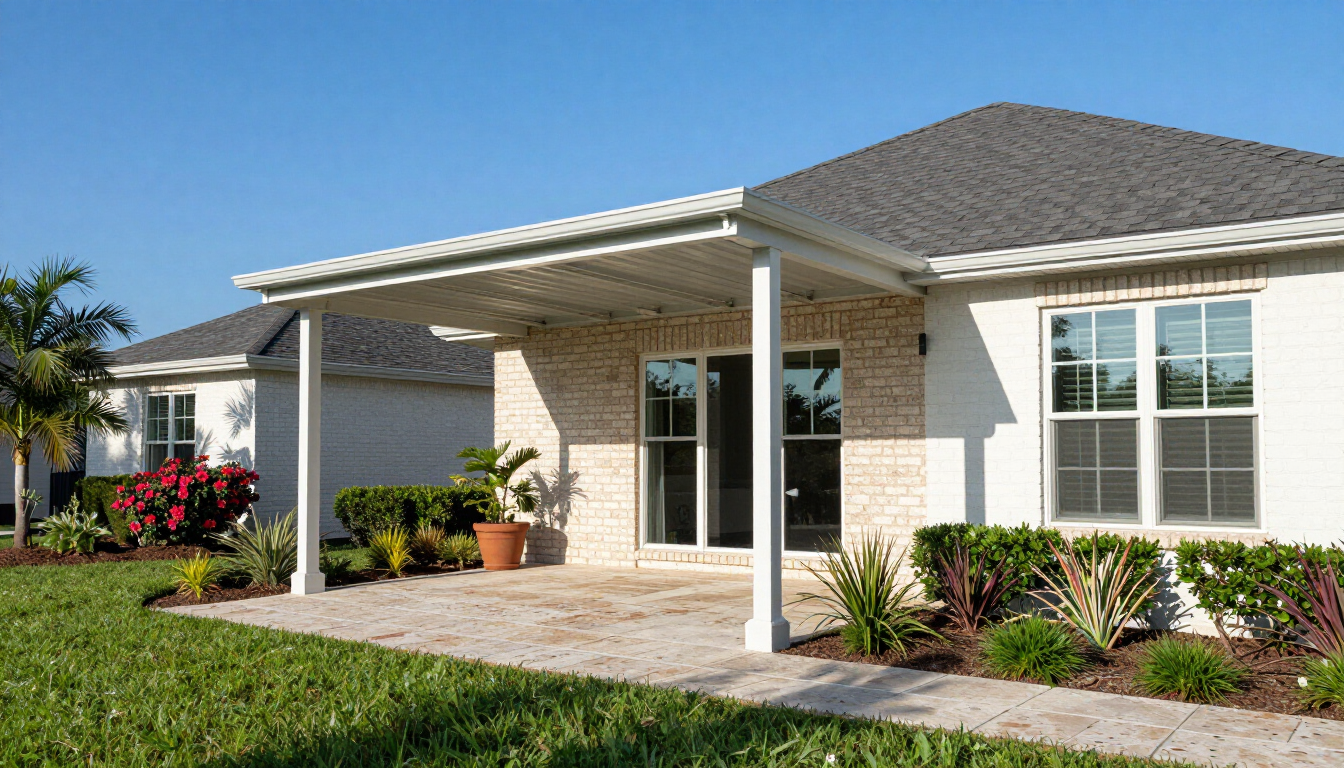
Houston HOA patio cover on a suburban Texas home
By Brian Sonnier • September 23, 2026
Learn how Houston-area HOA rules affect patio covers, pergolas, and screen rooms—and how to get approval before your project begins.

Homeowner learning how to read a patio cover quote beside an aluminum patio cover
By Brian Sonnier • September 23, 2026
Learn how to read a patio cover quote, compare contractors, spot missing costs, and ask better questions before approving your Houston-area project.
Show More