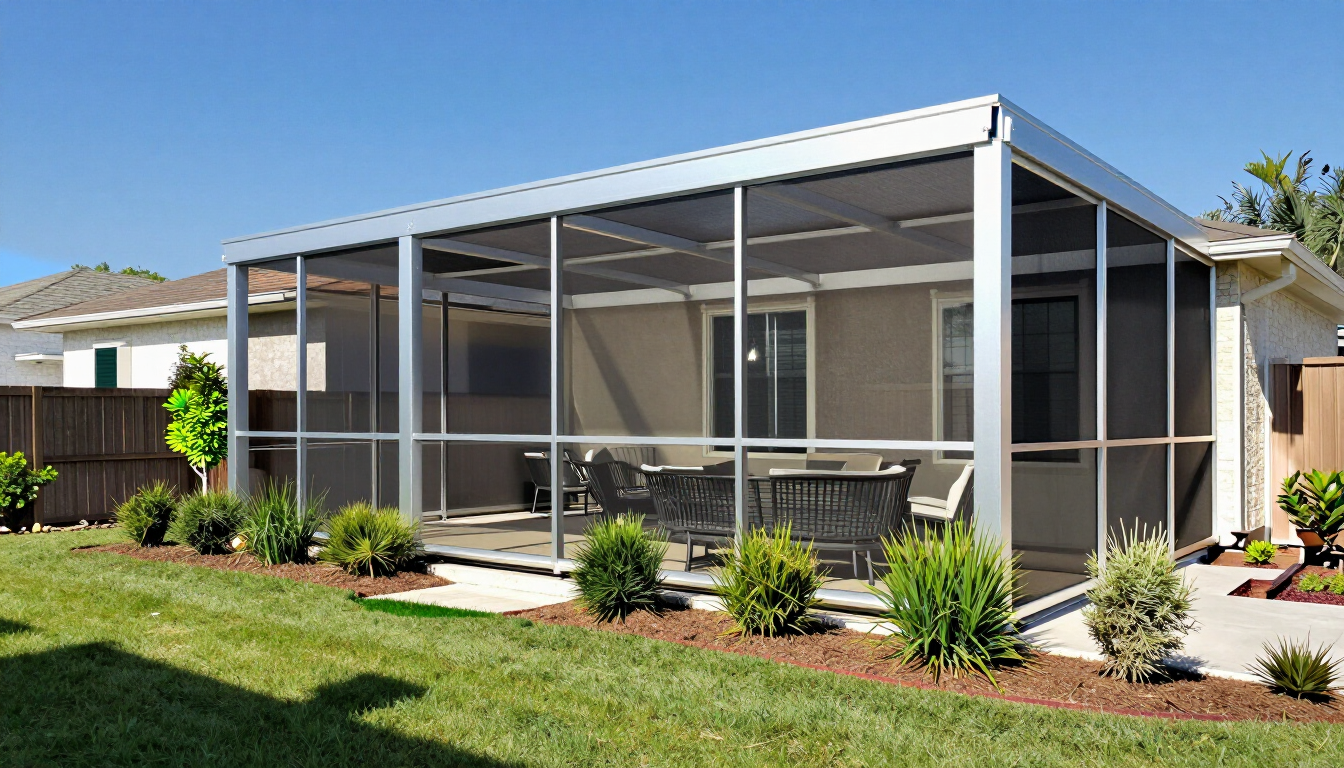
How to Plan a Screened-In Porch Retreat
A screened-in porch is an outdoor living space protected by mesh screens and supported by a durable frame. Aluminum framing provides strength, low maintenance, and a clean appearance, while fiberglass screens improve airflow and help keep insects out. Together, they create a comfortable screened-in porch retreat for relaxing, dining, and entertaining.
Why choose aluminum framing for a screened-in porch?
Aluminum framing is a practical choice for homeowners who want a screened porch that looks polished and performs well in changing weather. It is lightweight but strong, which helps create a stable enclosure without the bulk or maintenance associated with some traditional materials.
Key advantages include:
- Low maintenance: Aluminum does not need regular staining, sealing, or painting like wood.
- Weather resistance: Quality aluminum framing stands up well to sun, humidity, and rain.
- Clean design: Slim profiles allow more natural light and better views of your yard.
- Long-term value: A well-built enclosure can expand usable living space and enhance curb appeal.
- Flexible styling: Frames can be coordinated with your home’s exterior and existing patio.
For homeowners in the Greater Houston area, selecting materials designed for heat, humidity, and frequent storms is especially important. A professional installer can also help determine the right frame size, roof connection, and drainage details for your home.
What are fiberglass screens, and why do they matter?
Fiberglass screens are woven mesh panels commonly used to enclose porches, patios, and other outdoor areas. They are flexible, lightweight, and effective at improving airflow while blocking mosquitoes, flies, and other unwanted insects.
Compared with heavier or more rigid screening materials, fiberglass mesh offers a comfortable balance of visibility and ventilation. You can enjoy a clearer view of your landscaping without making the space feel closed in. It is also easy to clean with gentle soap and water.
When choosing screens, ask about mesh size, visibility, durability, and replacement options. Homes near wooded areas, ponds, or high-traffic outdoor spaces may benefit from screening selected for additional strength or insect protection.
Designing the retreat
A screened-in porch works best when it is planned around how your household will use it. Before construction begins, think about the activities you want the space to support:
- Relaxing: Allow room for lounge chairs, a sofa, or a swing.
- Dining: Plan space for a table, chairs, lighting, and serving access.
- Entertaining: Keep pathways open so guests can move comfortably.
- Family time: Consider durable flooring and flexible furniture arrangements.
- Outdoor hobbies: Include power access for fans, music, or other equipment.
The porch’s orientation also affects comfort. Shade patterns, prevailing breezes, afternoon sun, and views should all influence the layout. A thoughtful design can make the enclosure feel like a natural extension of your interior living space rather than an afterthought.
How can you make a screened-in porch more comfortable?
The best screened porch combines protection with thoughtful comfort features. Start with the basics, then add upgrades that match your budget and lifestyle.
Consider:
- Ceiling fans to improve airflow during warm Houston summers.
- Lighting for evening meals, reading, and entertaining.
- Outdoor-rated furniture that resists moisture and fading.
- Comfortable flooring that is easy to sweep and maintain.
- Privacy features such as strategically placed landscaping or shades.
- Weather-friendly accessories including curtains, heaters, or removable panels.
Furniture scale matters, too. Oversized pieces can quickly make a porch feel crowded, while compact seating and nesting tables preserve flexibility. Leave clear walkways between doors, stairs, and seating areas so the space remains easy to use every day.
If you are comparing enclosure styles, explore our Patio Enclosures page for more information about screened outdoor living options.
What should you consider before building?
A successful screened-in porch begins with practical planning. Review these questions before requesting an estimate:
- Where should the enclosure connect to the home?
- Will the existing patio or foundation support the design?
- How will rainwater drain away from the structure?
- Which doors provide the easiest access to the yard?
- Do local permits or neighborhood requirements apply?
- How will the porch look from inside the home and from the street?
It is also worth considering future needs. If you may add an outdoor kitchen, television, hot tub, or upgraded lighting later, discuss electrical and structural requirements early. Planning ahead can prevent expensive changes after installation.
Aluminum framing compared with other materials
Homeowners often compare aluminum with wood or vinyl when planning a screened porch. Each material has different characteristics, but aluminum is frequently selected for its combination of strength and simplicity.
| Material | Maintenance | Appearance | Typical consideration | |---|---|---|---| | Aluminum | Low | Clean and modern | Strong, lightweight, and weather-resistant | | Wood | Higher | Warm and traditional | May require painting, staining, or repairs | | Vinyl | Low to moderate | Smooth and limited in style | Can become less suitable in extreme conditions |
The right choice depends on your home, design goals, budget, and local weather. Ask an experienced builder to explain how each option will perform in your specific setting rather than choosing based on material price alone.
How do you choose the right contractor?
Look for a contractor with experience building outdoor structures similar to your project. A good conversation should cover your goals, the site conditions, construction details, and realistic expectations.
Before hiring, ask:
- How long have you built patio covers or screen rooms?
- Can you show examples of completed work?
- Which aluminum and fiberglass screen products do you use?
- Who handles permits and inspections, if required?
- What is included in the written estimate?
- How are repairs or warranty concerns handled?
Lone Star Patio Covers & Enclosures brings more than 30 years of experience to screened rooms, aluminum patio covers, and pergolas throughout Greater Houston. You can contact us to discuss your space and project goals.
Frequently asked questions
Are aluminum screened porches durable?
Yes. Properly installed aluminum framing is lightweight, corrosion-resistant, and designed for outdoor use. Its durability still depends on sound installation, suitable hardware, correct drainage, and routine cleaning.
Do fiberglass screens block airflow?
No. Fiberglass mesh is designed to allow natural ventilation while reducing insects and debris. The amount of airflow depends on the screen type, porch orientation, and surrounding conditions.
Can a screened porch be added to an existing patio?
Often, yes. The existing slab, drainage, roof connection, and local requirements must be evaluated first. A contractor can determine whether the patio is suitable or needs reinforcement or modification.
How do you maintain fiberglass screens?
Use a soft brush or gentle hose spray to remove dust and pollen. Avoid harsh chemicals and high-pressure cleaning, which can stretch or damage the mesh.
Create your screened-in porch retreat
Aluminum framing and fiberglass screens provide a dependable foundation for a comfortable screened-in porch. Aluminum keeps the structure strong, attractive, and relatively easy to maintain, while fiberglass screens support airflow, visibility, and insect protection. Start by defining how you want to use the space, then evaluate shade, drainage, access, comfort features, and long-term maintenance. When you are ready, compare materials and work with an experienced local contractor who can tailor the enclosure to your home and Houston-area conditions.