
How Screened Patios Expand Your Living Space

Brian Sonnier • September 23, 2026

Screened patios are covered outdoor rooms enclosed with mesh screens that extend your home’s usable living space. They provide shade, airflow, and protection from insects while keeping you connected to the outdoors. For Houston homeowners, a well-designed screened patio can become a comfortable place to dine, relax, work, and entertain.

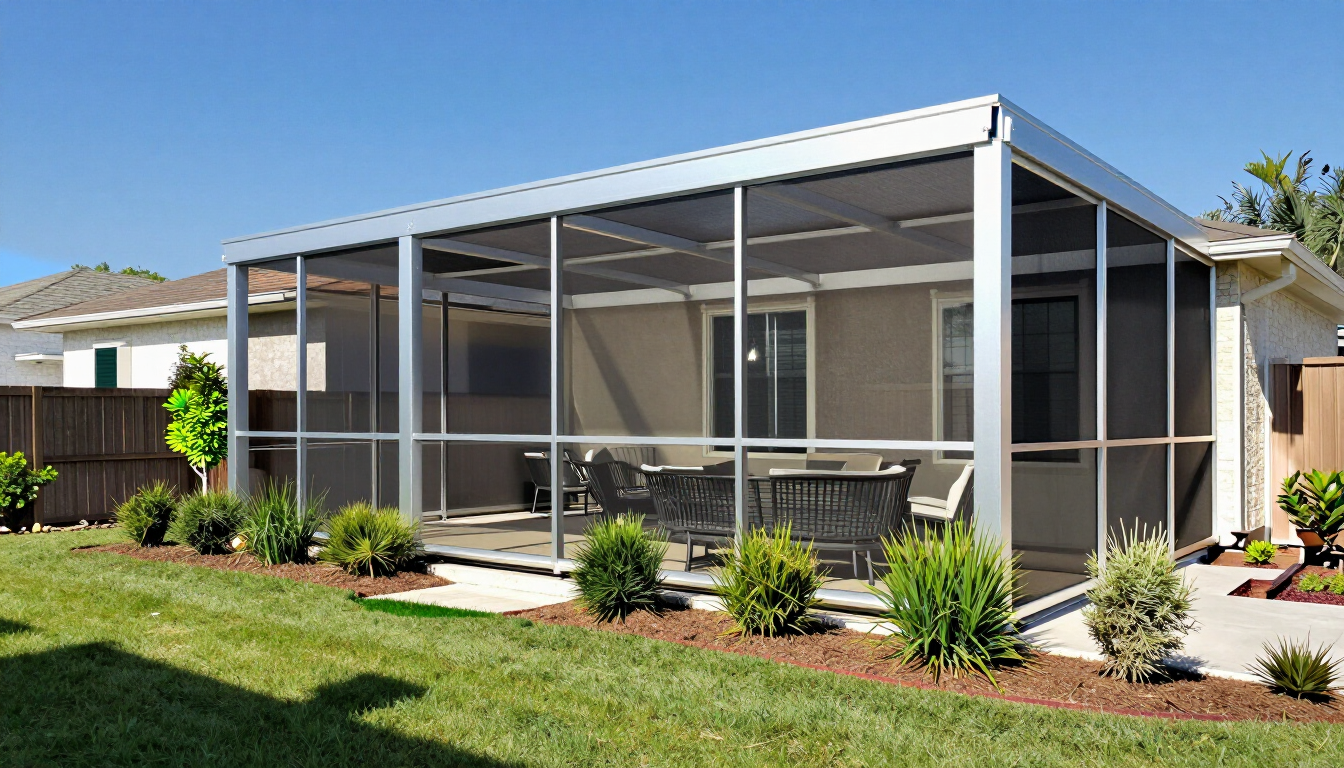
Screened patio expanding a Houston home's outdoor living space

Why are screened patios useful home extensions?

A screened patio creates a practical transition between your indoor rooms and the backyard. Instead of treating the patio as occasional outdoor space, you can furnish it and use it as an everyday extension of the home.

The screen enclosure helps make the area more comfortable without completely closing it off. You can enjoy fresh air and natural light while reducing contact with mosquitoes, flies, leaves, and other outdoor annoyances. A roof or patio cover also provides valuable shade during hot, sunny weather.

For families, this extra room can support several uses:

  • A shaded dining area for family meals and weekend gatherings
  • A comfortable lounge for reading, conversation, or watching the kids play
  • A protected play area for children and pets
  • A quiet work-from-home setting with outdoor views
  • A flexible space for hosting friends without crowding the main house

The right design depends on how you expect to use the room. A homeowner who wants an outdoor dining room may need more floor space and lighting. Someone who wants a peaceful retreat may prioritize privacy screens, comfortable seating, and ceiling fans.

How much living space can a screened patio add?

A screened patio does not replace conditioned interior square footage, but it can add meaningful functional space to your daily routine. The usable area depends on the enclosure’s dimensions, furniture layout, roof design, access points, and local site conditions.

Even a modest patio can feel larger when it is planned around a clear purpose. For example, a compact enclosure may comfortably fit a table for four and a small seating area. A larger design may accommodate an outdoor kitchen, dining table, lounge furniture, and room for guests to move around.

Before choosing a size, consider:

  1. How many people will normally use the space?
  2. What furniture or equipment must fit inside?
  3. Will the enclosure connect to a kitchen, living room, or bedroom?
  4. Do doors need a clear, accessible path?
  5. How much yard should remain open for landscaping or play?

A useful layout leaves walking space around furniture instead of filling every available foot. This makes the room feel more open and allows the patio to serve different purposes over time.

Design priorities for everyday comfort

A screened patio works best when comfort is considered from the beginning rather than added later. Houston’s heat, humidity, storms, and changing weather make material selection and placement especially important.

Shade and airflow

A solid roof or attached aluminum patio cover can block direct sun and help keep furniture cooler. Ceiling fans, screened openings, and thoughtful orientation can improve airflow. Depending on the design, adjustable features may also help balance sunlight and ventilation throughout the day.

Durable materials

Aluminum is a popular choice for patio structures because it is lightweight, low-maintenance, and resistant to many common outdoor concerns. Quality framing and properly installed screens help the enclosure remain attractive and functional through years of regular use.

Lighting and power

Plan electrical needs before construction begins. Lighting can make the space useful after sunset, while outlets may support fans, speakers, a television, or small appliances. Warm, layered lighting usually feels more inviting than a single bright fixture.

Furniture and storage

Choose furniture designed for outdoor or semi-outdoor conditions. Look for fabrics that dry quickly and finishes that resist fading. A storage bench, cabinet, or discreet shelving can keep cushions, games, and entertaining supplies nearby without making the room feel cluttered.

What can you use a screened patio for?

The best home extension is one that supports the way your household already lives. A screened patio can be designed as one dedicated room or as a flexible area that changes with the season.

Outdoor dining

A table, comfortable chairs, and nearby access to the kitchen can turn the enclosure into a convenient dining room. Screens make meals more enjoyable by reducing flying insects, while the roof provides shade during daytime gatherings.

Relaxing and entertaining

Add a sofa, lounge chairs, side tables, and task lighting to create an outdoor living room. If you regularly host guests, leave enough open space for people to circulate. A connection to a pergola or open patio can create separate zones for dining and conversation.

Family recreation

Screened patios can give children a protected place to play board games, draw, or read. They can also provide pets with fresh air and outdoor views without giving them unrestricted access to the yard.

Work and study

With a stable table, reliable Wi-Fi, shade, and an electrical outlet, the enclosure can become an appealing alternative to an indoor office. Keep screens and devices protected from rain and direct sunlight, and choose furniture that supports good posture.

Family-friendly screened patio with lounge seating and outdoor dining area

Are screened patios a good fit for Houston homes?

They can be, especially for homeowners who want more outdoor time without dealing with constant insects and intense sun. The enclosure offers a useful middle ground: more protection than an open patio, but a stronger connection to nature than a fully enclosed interior room.

Local conditions still matter. A professional should evaluate the home’s existing structure, drainage, grade, roofline, attachment points, and applicable permitting requirements. The enclosure should also be positioned to support comfortable airflow and avoid creating water-management problems around the foundation.

Lone Star Patio Covers & Enclosures serves homeowners throughout the Greater Houston area, including Katy, Cypress, The Woodlands, Spring, Richmond, Rosenberg, Tomball, Kingwood, Humble, Fulshear, Conroe, Missouri City, Pearland, League City, and Clear Lake. With more than 30 years of experience, the team can help compare enclosure options for your home and priorities. Explore the patio enclosures service page to see how a screened room may fit your project.

How do you plan a screened patio project?

Start with the experience you want to create, then work backward toward dimensions, materials, and features. A simple planning process can prevent expensive changes later.

  1. Define the primary use. Decide whether the space is mainly for dining, relaxing, work, play, or a combination.
  2. Measure the available area. Note the home’s doors, windows, roof edges, utilities, landscaping, and property limitations.
  3. Set a realistic budget. Account for structure, screens, roofing, flooring, lighting, fans, furniture, permits, and site preparation.
  4. Choose comfort features. Consider ceiling fans, lighting, privacy screening, electrical outlets, and convenient access to the kitchen or living room.
  5. Review materials and maintenance. Ask how the frame, roof, screens, fasteners, and finishes are expected to perform in local weather.
  6. Work with an experienced contractor. A qualified installer can identify structural and drainage concerns before construction begins.

It is also helpful to look at completed work before making a decision. Browse recent projects for ideas about proportions, layouts, and finishes to understand the homeowner experience.

Screened patios versus other outdoor living options

A screened patio is not the only way to expand outdoor living space. Comparing options helps you select the right balance of protection, openness, appearance, and budget.

  • Open patio: Offers the strongest connection to the yard and usually the simplest layout, but provides less protection from insects and weather.
  • Screened patio: Adds bug protection, shade, and a more room-like experience while preserving airflow and outdoor views.
  • Pergola: Creates architectural interest and partial shade, but does not provide the same enclosure or insect control.
  • Fully enclosed room: Offers greater weather control and privacy, but may require more construction, insulation, and investment.

Some properties benefit from combining solutions. For example, a covered screened room can connect to an open patio or pergola, creating several outdoor zones for different activities.

What should you ask a patio enclosure contractor?

Before hiring a contractor, ask focused questions about the design and installation process:

  • How will the enclosure attach to the existing home?
  • What materials and screen types are recommended for this location?
  • How will rainwater drain away from the structure?
  • What maintenance should the homeowner expect?
  • Are permits or inspections required?
  • Can you review examples of similar completed projects?

Clear answers can help you compare proposals based on value rather than price alone. Look for a contractor who explains options in plain language, documents the scope of work, and takes time to understand how you will use the space.

How do screened patios maximize living space?

The key is to design the enclosure as a real room with an outdoor setting. Use a layout that supports your main activity, select durable materials suited to Houston weather, and include comfort features you will appreciate every day. Keep pathways open, connect the room naturally to the home, and avoid adding features that do not serve a clear purpose.

A well-planned screened patio can make an underused backyard more valuable to your household. It gives you a protected place to eat, work, unwind, and gather without requiring a major interior remodel. If you are ready to explore possibilities, review Lone Star Patio Covers & Enclosures’ services or contact the team to discuss your home, goals, and available space.

Recent Posts

Aluminum patio cover and screen enclosure in The Woodlands, TX
By Brian Sonnier • November 1, 2026
See how a The Woodlands homeowner combined an aluminum patio cover and screen enclosure for shade, comfort, and low-maintenance outdoor living with Lone Star Patio Covers & Enclosures.
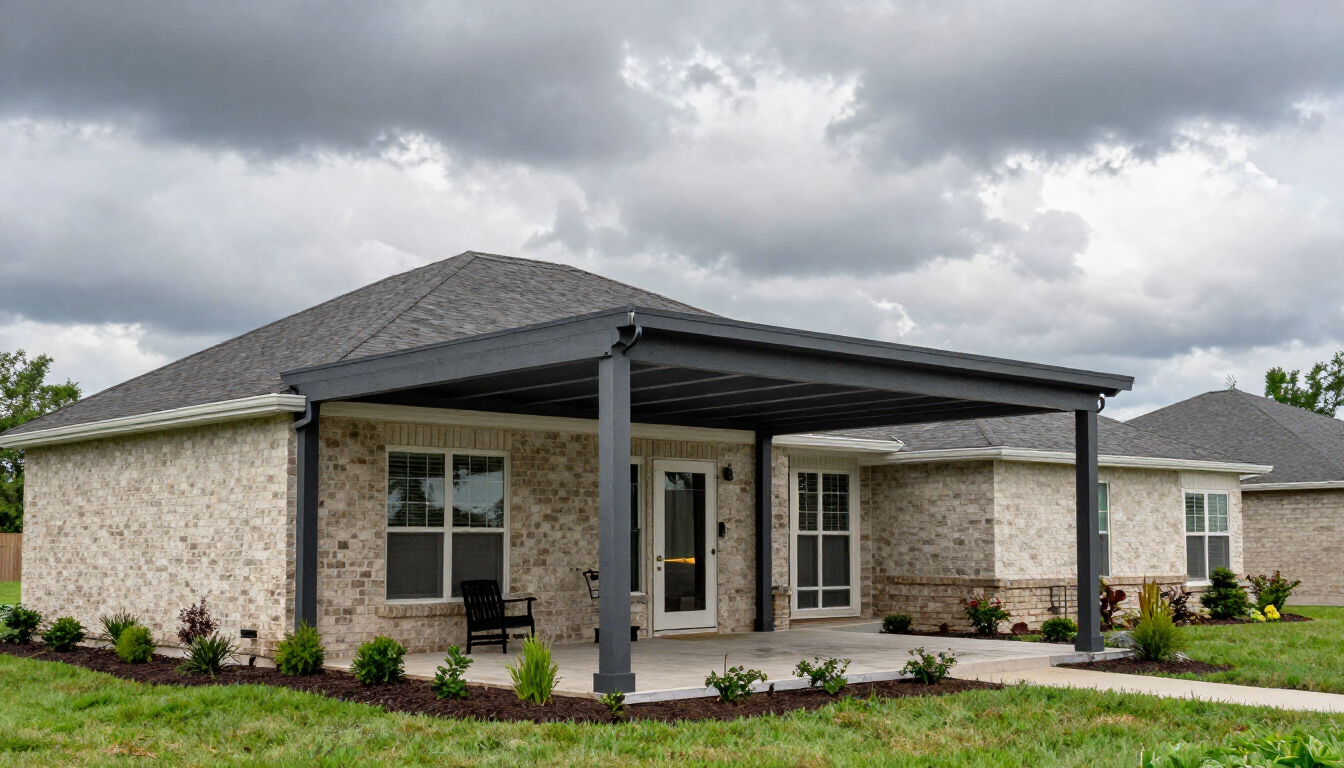
Hurricane wind ratings for an aluminum patio cover in Houston
By Brian Sonnier • November 1, 2026
Learn how hurricane wind ratings, engineering, hail, and heavy rain affect aluminum patio covers in Houston—and what to ask your contractor before building.
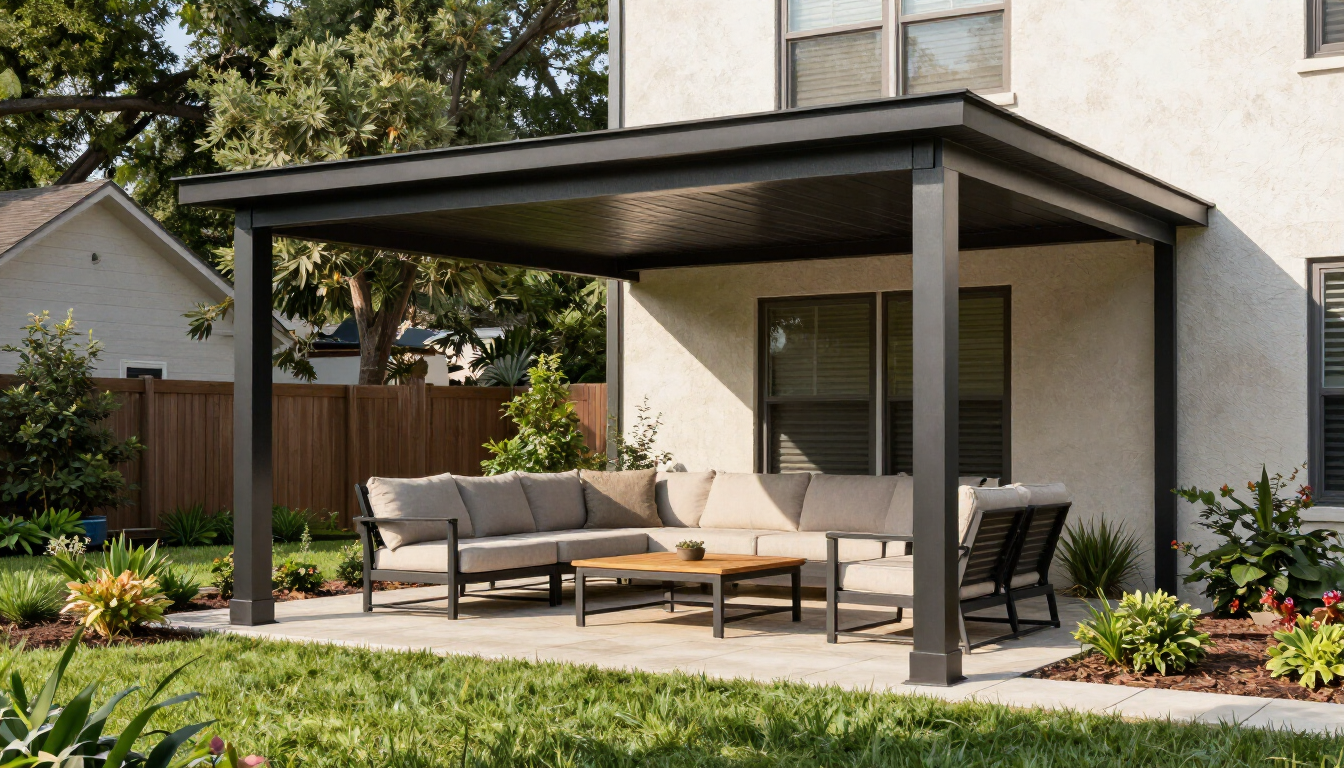
Aluminum patio cover in a Houston backyard
By Brian Sonnier • November 1, 2026
Compare patio cover financing options and learn what warranties typically cover, from materials and paint finish to workmanship, before hiring a Houston contractor.
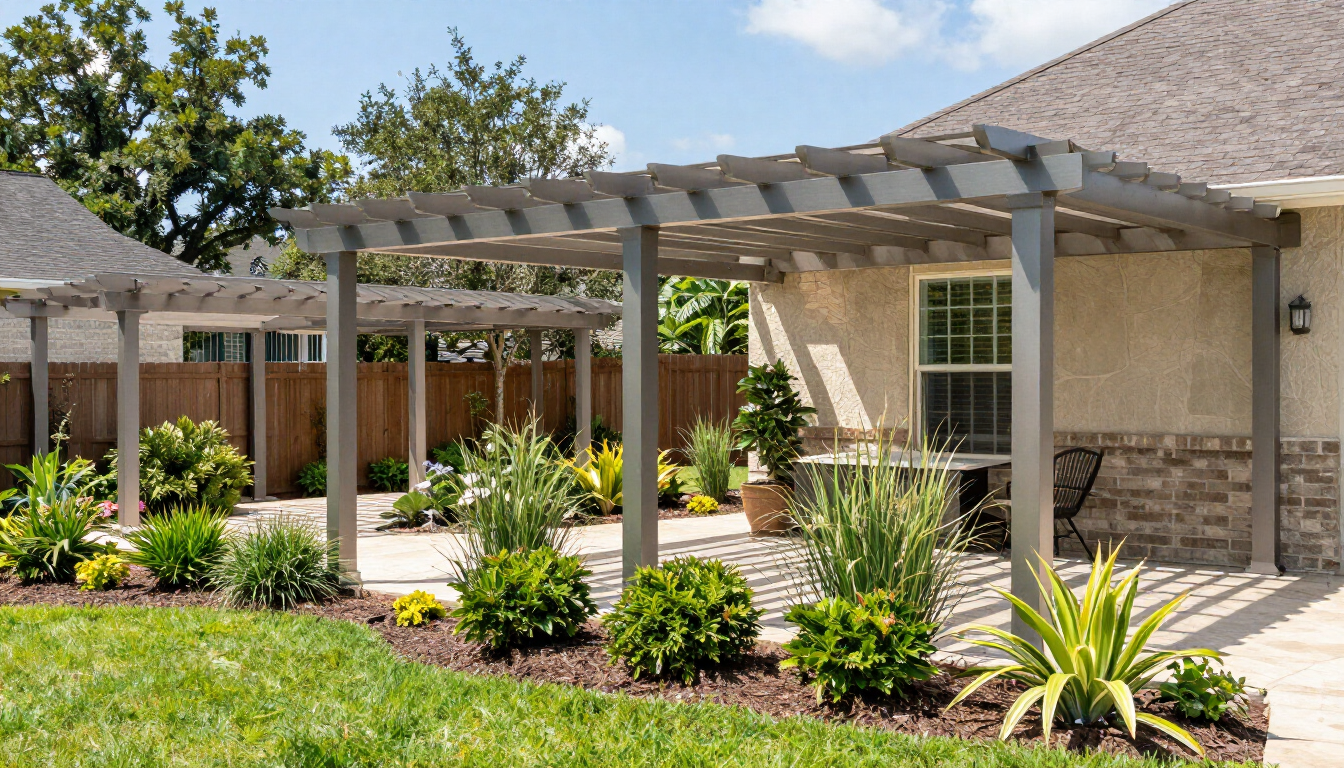
Aluminum pergola vs patio cover in a Houston backyard
By Brian Sonnier • November 1, 2026
Compare an aluminum pergola vs patio cover in Houston for shade, rain protection, cost, permits, and the best fit for your backyard.
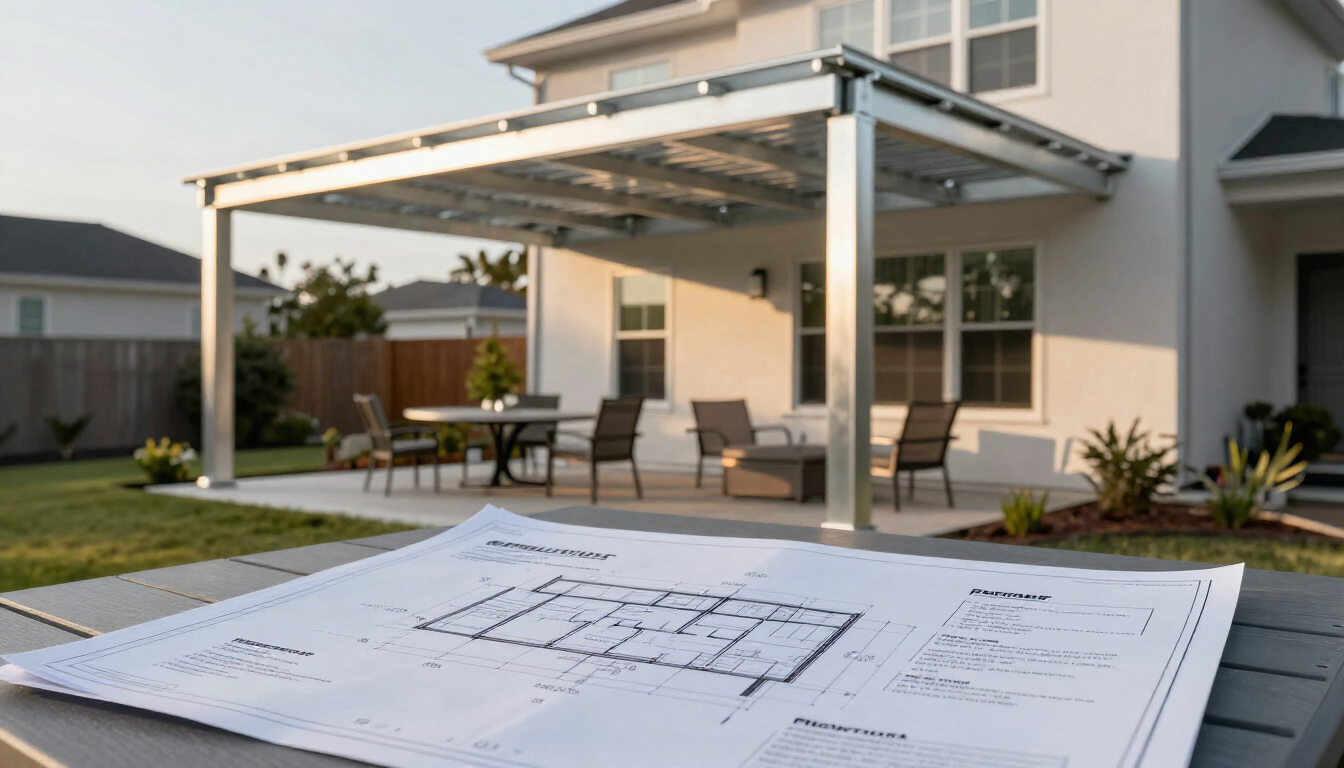
Patio cover permit plans for a Houston backyard
By Brian Sonnier • November 1, 2026
Learn who issues patio cover permits in Houston, Harris County, and Fort Bend County, what documents you need, how inspections work, and how to avoid delays.
Patio cover cost in Houston, TX
By Brian Sonnier • October 6, 2026
See estimated 2026 patio cover and screen enclosure costs in Houston, including aluminum, Alumawood, insulated panels, installation, permits, and add-ons.
Trusted patio builder Houston custom aluminum patio cover and screen enclosure
By Brian Sonnier • September 23, 2026
Learn what to look for in a trusted patio builder in Houston, from experience and materials to permits, warranties, project photos, and clear estimates.
Insulated aluminum roof panels on a Houston patio cover
By Brian Sonnier • September 23, 2026
Learn how insulated aluminum roof panels work, their benefits, costs, insulation value, and how to choose the right patio cover roofing for your Houston home.
Pergola design ideas for Texas heat with shaded outdoor seating
By Brian Sonnier • September 23, 2026
Explore practical pergola design ideas for Texas heat, including shade, airflow, materials, and layout tips for comfortable Houston-area outdoor living.
Building a patio cover in Houston to meet local building codes
By Brian Sonnier • September 23, 2026
Learn how to build a patio cover that meets Houston building codes, including permits, setbacks, wind loads, drainage, inspections, and contractor tips.

Show More