
7 Best Patio Roof Extension Materials (2026)

Brian Sonnier • September 23, 2026

A patio roof extension is best built from a material that balances durability, weather resistance, appearance, maintenance, and budget. For most Houston homeowners, aluminum is the strongest all-around choice because it handles heat, humidity, rain, and pests with minimal upkeep. Wood, vinyl, and insulated panels can also work when design or comfort is the priority.

What should you consider before choosing patio roof extension materials?

The right material depends on how you plan to use the space and how much maintenance you are willing to handle. Before comparing products, evaluate:

  • Climate: Houston’s heat, humidity, heavy rain, and occasional storms demand weather-resistant construction.
  • Purpose: A shaded sitting area may need less than a year-round outdoor room.
  • Home design: The roof should complement your existing siding, trim, and architecture.
  • Maintenance: Consider painting, sealing, cleaning, repairs, and pest protection.
  • Budget: Include installation, drainage, permits, electrical work, and future upkeep.

A professional patio cover contractor can also help determine whether the existing wall, slab, and roofline can support your preferred design. Explore Lone Star’s patio cover services to see common options for homes in the Greater Houston area.

What is the best material for a patio roof extension?

For most homeowners, aluminum is the best material for a patio roof extension. It provides dependable shade, resists rust and insects, requires little maintenance, and can be finished in several colors and styles. Insulated aluminum panels are especially useful when reducing heat below the roof is a major concern.

1. Aluminum: the practical all-around choice

Aluminum is popular because it offers a strong combination of performance, appearance, and value. It does not rot, warp, or attract termites, and factory-applied finishes help it retain its color with routine cleaning.

Common aluminum patio roof designs include:

  • Solid roof covers for dependable shade and rain protection
  • Insulated panels for improved comfort and reduced heat transfer
  • Open-lattice covers for filtered sunlight and airflow
  • Attached or freestanding structures

Aluminum is also lightweight, which can simplify installation compared with heavier materials. With the right engineering and anchoring, it can provide a long-lasting outdoor extension without the recurring painting and sealing associated with wood.

2. Wood: warm, traditional, and customizable

Wood creates a natural look that blends beautifully with traditional, rustic, and craftsman-style homes. Cedar and treated pine are common choices, while higher-end hardwoods can create a distinctive architectural feature.

The tradeoff is maintenance. Wood generally requires regular staining, sealing, or painting to protect it from moisture, ultraviolet exposure, mildew, and insects. It can also split, swell, or deteriorate when water remains on vulnerable surfaces.

Choose wood when appearance and customization outweigh the need for low maintenance. A well-designed wood cover can be attractive, but plan for ongoing care from the beginning.

3. Vinyl: clean appearance with limited maintenance

Vinyl patio covers can provide a bright, clean appearance and resist common moisture-related problems. They do not need routine staining or sealing, making them appealing to homeowners who want a simpler maintenance schedule.

However, vinyl may become brittle or discolor after prolonged sun exposure, depending on product quality. It can also offer fewer structural and design options than aluminum or wood. Ask about reinforcement, warranties, color stability, and the product’s performance in hot climates before choosing it.

4. Insulated roof panels: better outdoor comfort

Insulated roof panels typically combine aluminum skins with a rigid insulating core. They are designed to reduce heat transfer, making the covered space more comfortable during hot afternoons.

They are a strong choice when you want to use your patio for dining, entertaining, or relaxing for longer periods. Insulated panels may cost more than a basic cover, but the added comfort can justify the investment for a frequently used space.

5. Polycarbonate: daylight without full exposure

Polycarbonate roofing allows natural light through while providing shelter from rain. It can work well for side additions, walkways, and patio areas where you want brightness without an entirely open roof.

Its performance depends heavily on the panel’s UV protection, tint, thickness, and installation. Clear panels may still allow significant heat buildup, while tinted or multiwall options can improve comfort. Compare samples in direct sunlight before making a final decision.

6. Corrugated metal: durable but design-dependent

Corrugated metal can create a modern or industrial look and offers strong durability when properly coated. It is often used for detached patio structures, sheds, and contemporary outdoor spaces.

Metal roofing can become hot and noisy during rain unless the design includes insulation or other sound-control measures. Sharp edges, exposed fasteners, drainage, and corrosion protection should also be addressed during installation.

7. Composite materials: attractive, but compare carefully

Composite roof materials can mimic the appearance of wood while reducing some maintenance concerns. They may be appropriate for homeowners seeking a specific color or texture that is difficult to achieve with standard aluminum.

Product quality varies, so review weight, warranty coverage, heat performance, expansion, and available replacement parts. A lower-maintenance claim does not always mean maintenance-free.

Aluminum vs. wood patio covers: which is better?

Aluminum is usually better for homeowners who prioritize low maintenance, moisture resistance, and long-term practicality. Wood is often better for homeowners who prioritize natural character, custom detailing, and a traditional appearance.

| Factor | Aluminum | Wood | |---|---|---| | Maintenance | Low; periodic cleaning | Regular sealing, staining, or painting | | Moisture resistance | Does not rot or absorb water like wood | Requires protection from moisture | | Pest resistance | Not attractive to termites | May require pest protection | | Appearance | Clean, modern, customizable finishes | Natural grain and traditional character | | Long-term upkeep | Generally predictable | Can include refinishing and repairs |

The best choice is the one that fits your home, planned use, and willingness to maintain it—not simply the material with the lowest initial price.

How do Houston’s weather conditions affect material choice?

Houston’s climate makes moisture management and heat control especially important. High humidity, intense sunlight, storms, and temperature changes can expose weak materials or poor installation quickly.

Look for:

  • Corrosion-resistant fasteners and hardware
  • Proper roof slope and drainage
  • Secure connections designed for local wind conditions
  • UV-resistant finishes or panels
  • Sealed transitions where the cover meets the home
  • Adequate airflow when using an open-lattice design

A quality material cannot compensate for poor flashing, weak anchoring, or inadequate drainage. Installation details are just as important as the roof panels themselves.

How much maintenance does each patio roof material need?

Maintenance varies by exposure, product quality, and installation, but the general pattern is straightforward:

  • Aluminum: Wash periodically and inspect fasteners, seals, and drainage.
  • Wood: Clean, inspect, and reseal or repaint on a regular schedule.
  • Vinyl: Wash, inspect for brittleness, and check connections.
  • Insulated panels: Clean surfaces and inspect seams, trim, and drainage.
  • Polycarbonate: Wash with manufacturer-approved products and inspect for clouding or damage.

Keep gutters, downspouts, and roof edges clear of leaves and debris. Small drainage problems can lead to staining, erosion, or water collecting near the foundation.

What is the most cost-effective patio roof material?

Aluminum is often the most cost-effective choice over the life of the patio roof because it combines moderate upfront pricing with low maintenance. Wood may have competitive initial costs but can require more frequent refinishing. Insulated panels cost more than basic roofing but may provide greater value when comfort and regular use matter.

Request an itemized estimate that separates materials, engineering, labor, permits, electrical additions, drainage, and optional upgrades. Comparing only the advertised price can hide important differences in construction quality.

How do you choose the right patio roof design?

Start with the experience you want below the roof, then match the material to that goal:

  1. For maximum rain protection: Choose a solid aluminum or insulated roof.
  2. For a cooler, brighter feel: Consider an insulated panel or carefully selected polycarbonate system.
  3. For filtered sunlight: Choose an aluminum pergola or lattice cover.
  4. For natural character: Compare wood framing and wood-look aluminum finishes.
  5. For lower upkeep: Prioritize aluminum, quality vinyl, or insulated panels.

A pergola is not the same as a fully waterproof patio cover. Review aluminum pergola options if shade and airflow are more important than complete weather protection.

Questions to ask a patio cover contractor

Before signing a contract, ask:

  • What material and finish do you recommend for this home, and why?
  • How will the structure attach to the house or slab?
  • What drainage and flashing details are included?
  • Is the design engineered for local wind and weather conditions?
  • What maintenance and warranty coverage should I expect?

Look through recent projects and customer testimonials to evaluate workmanship and service experience. You can also contact Lone Star for a project discussion tailored to your property.

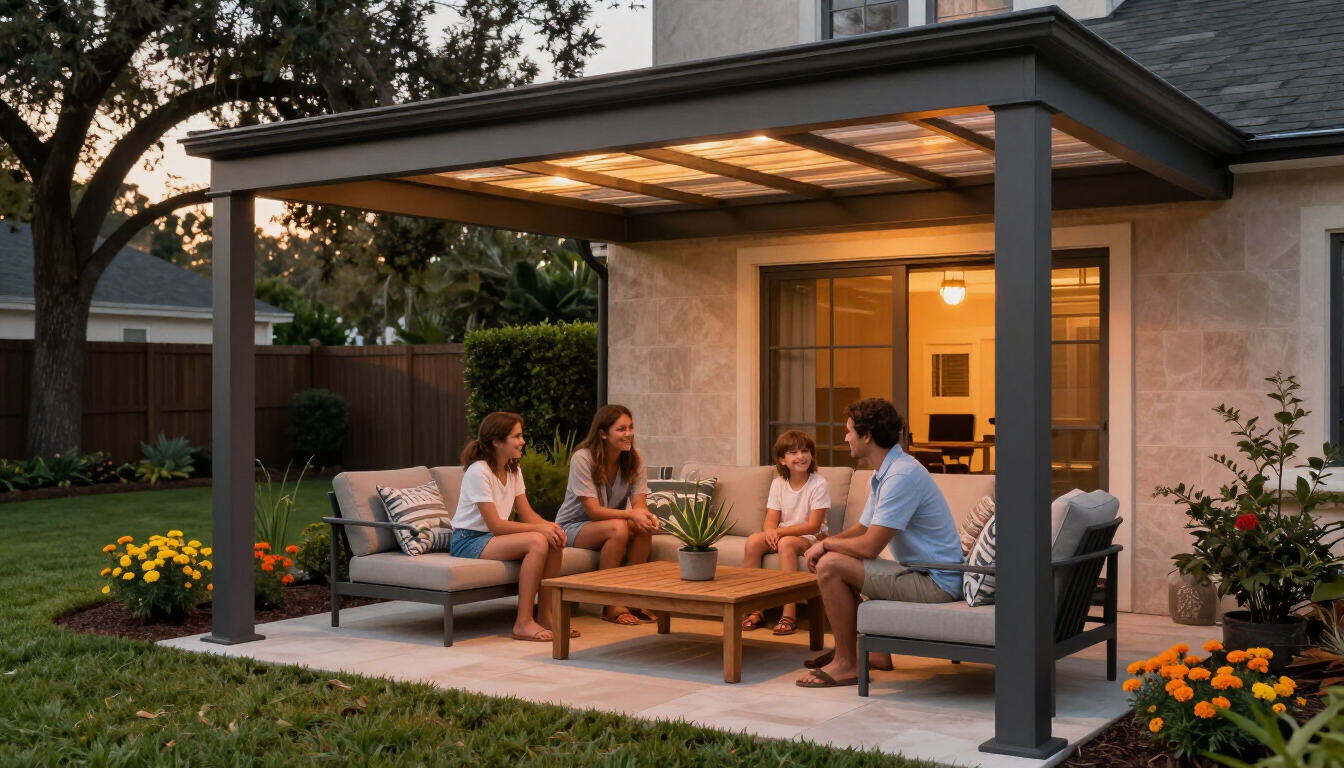
Photorealistic family enjoying a shaded aluminum patio cover extension in a landscaped Houston backyard

Key takeaways

Aluminum is the best all-around material for many Houston patio roof extensions because it resists moisture, pests, heat, and daily wear with relatively little maintenance. Wood offers warmth and customization, while insulated panels improve comfort and polycarbonate can preserve daylight. Compare the full installed cost, drainage, attachment method, warranty, and expected upkeep—not just the roof material. Next, decide how you will use the space, review designs that suit your home, and request a detailed estimate from an experienced local contractor.

Recent Posts

Trusted patio builder Houston custom aluminum patio cover and screen enclosure
By Brian Sonnier • September 23, 2026
Learn what to look for in a trusted patio builder in Houston, from experience and materials to permits, warranties, project photos, and clear estimates.
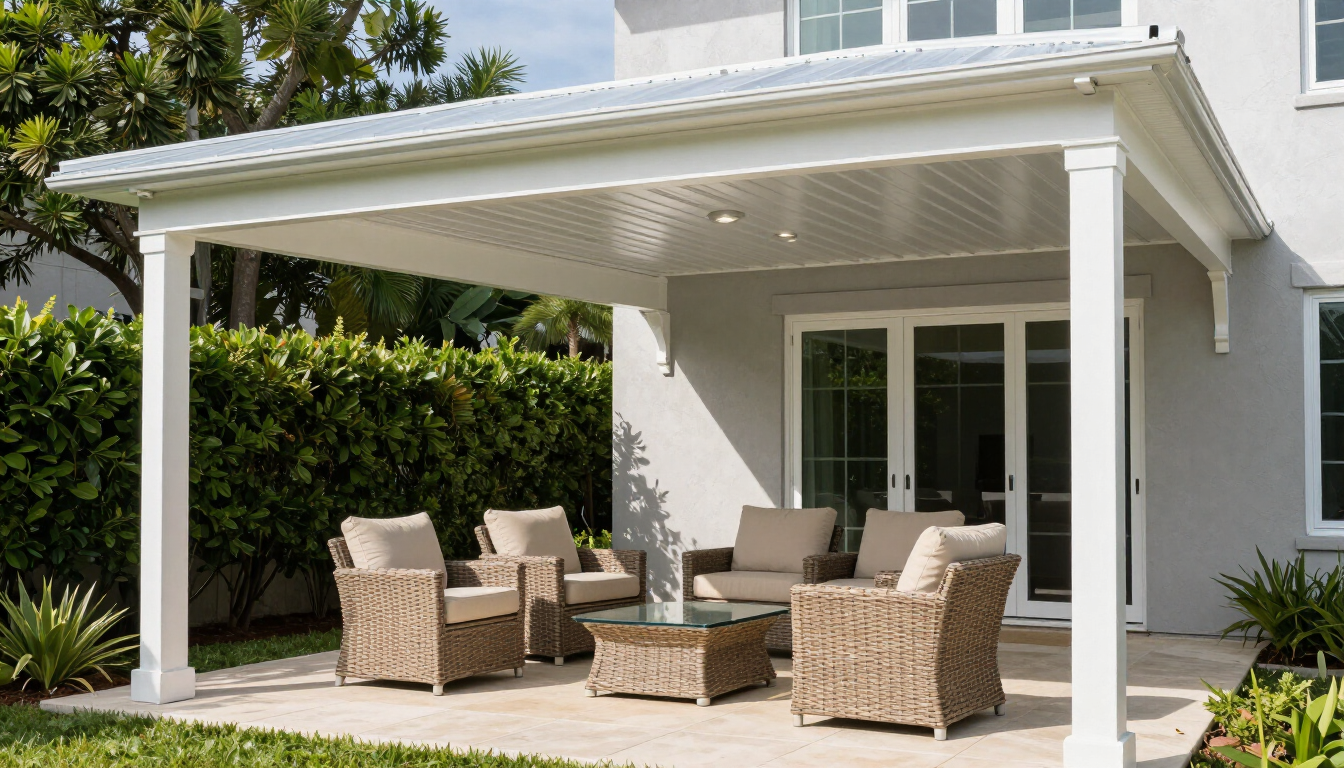
Insulated aluminum roof panels on a Houston patio cover
By Brian Sonnier • September 23, 2026
Learn how insulated aluminum roof panels work, their benefits, costs, insulation value, and how to choose the right patio cover roofing for your Houston home.
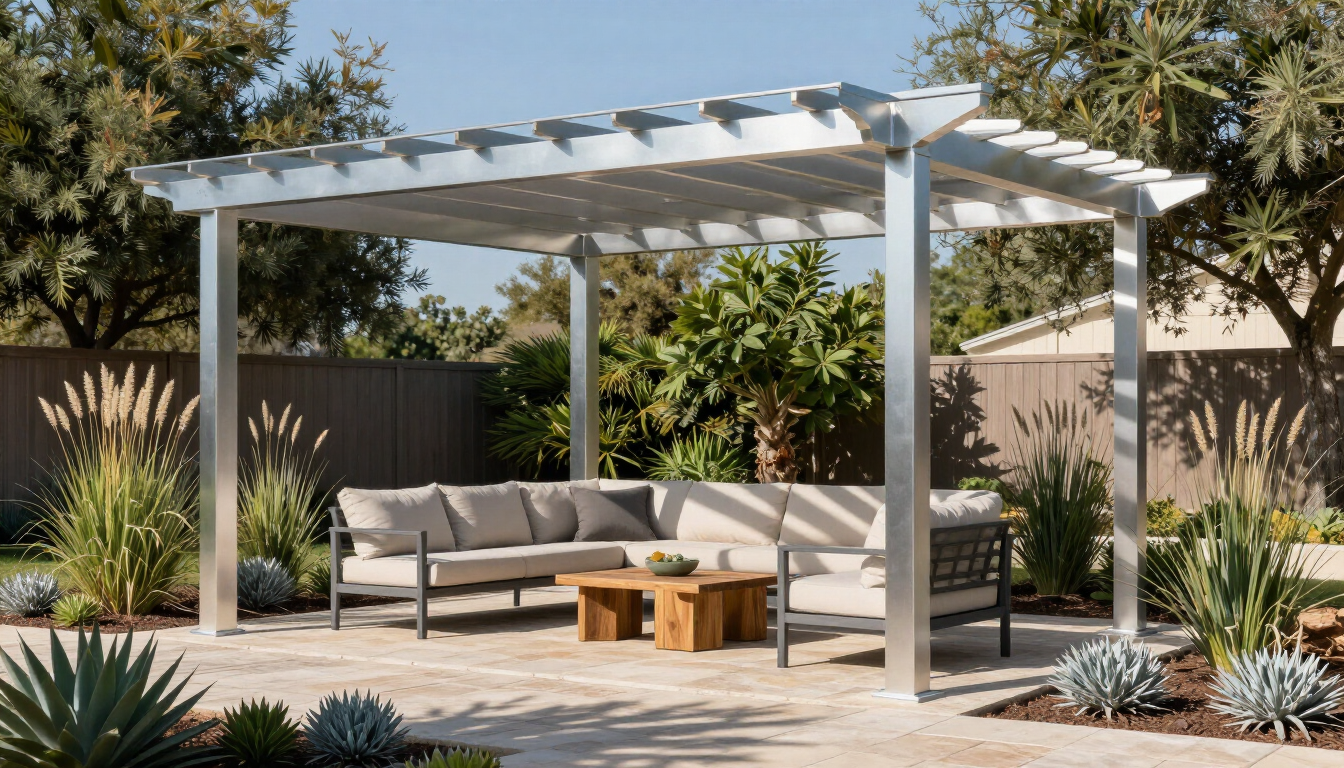
Pergola design ideas for Texas heat with shaded outdoor seating
By Brian Sonnier • September 23, 2026
Explore practical pergola design ideas for Texas heat, including shade, airflow, materials, and layout tips for comfortable Houston-area outdoor living.
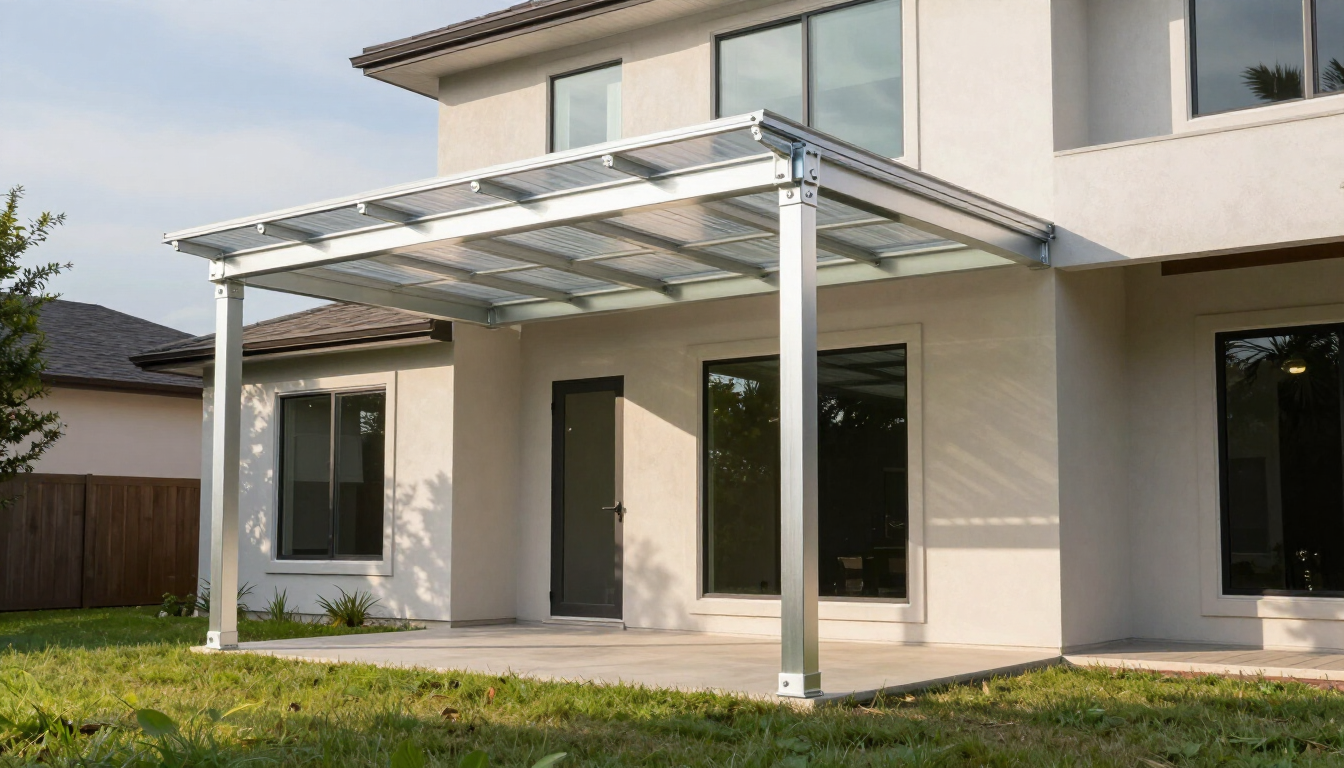
Building a patio cover in Houston to meet local building codes
By Brian Sonnier • September 23, 2026
Learn how to build a patio cover that meets Houston building codes, including permits, setbacks, wind loads, drainage, inspections, and contractor tips.
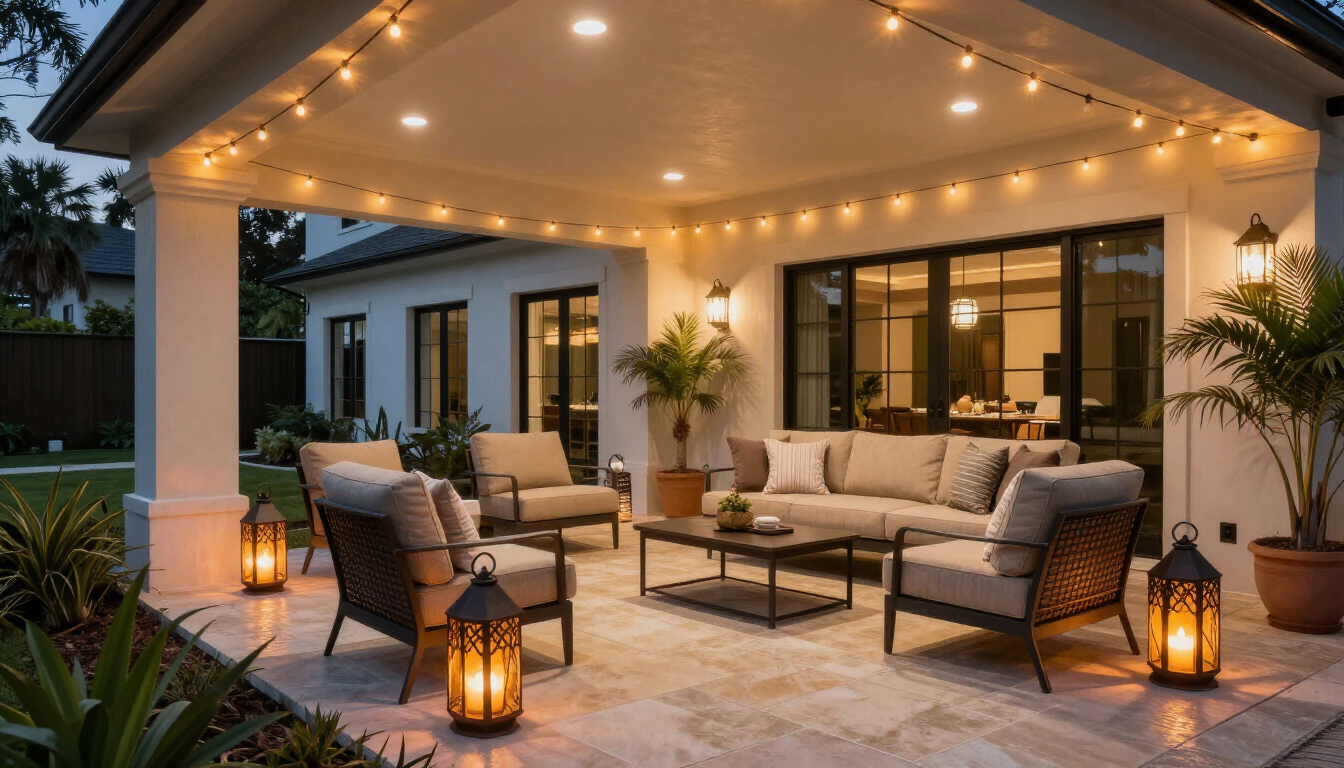
Creative lighting ideas for a covered patio with warm layered lights
By Brian Sonnier • September 23, 2026
Explore nine creative lighting ideas for a covered patio, from string lights to layered task lighting, to make your Houston outdoor space warmer and more useful.
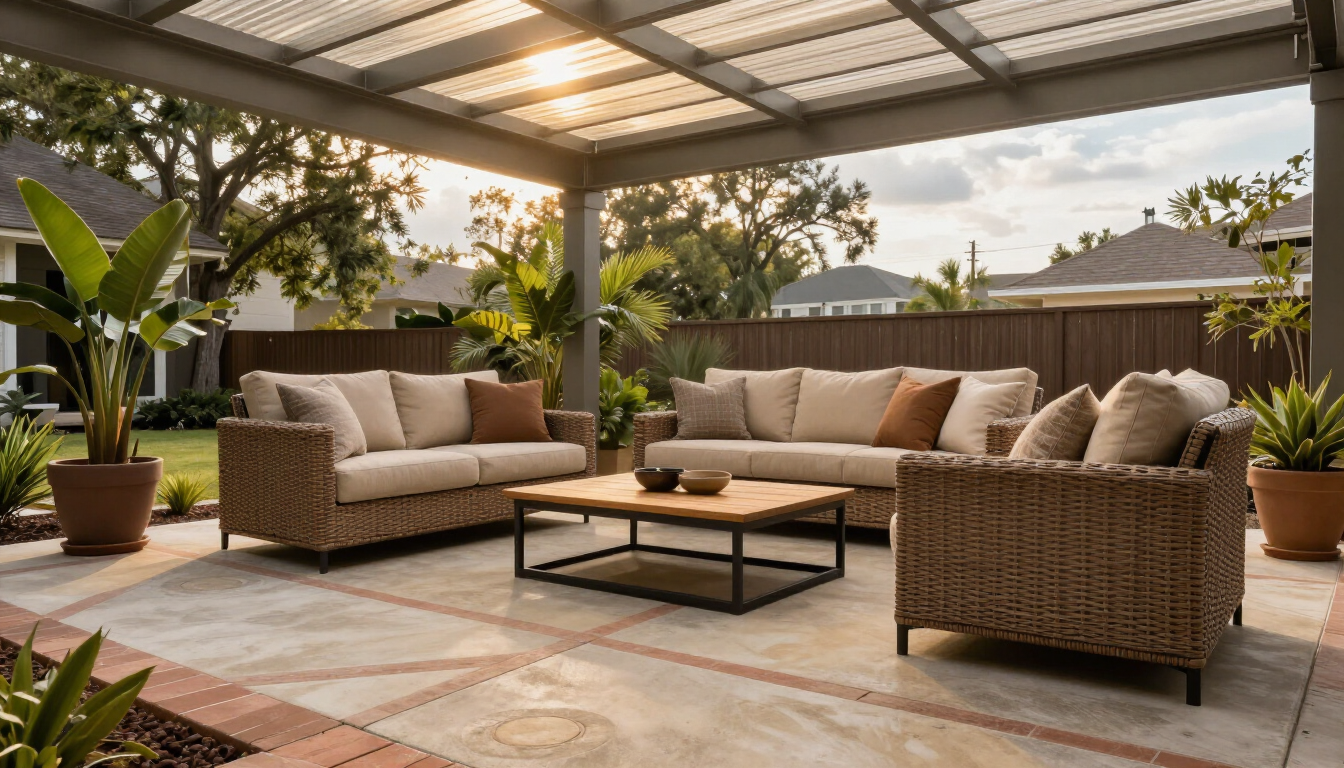
Patio concrete flooring options beneath an aluminum patio cover
By Brian Sonnier • September 23, 2026
Compare patio concrete flooring options for Houston outdoor living spaces, including stamped, stained, textured, and budget-friendly finishes for homeowners.
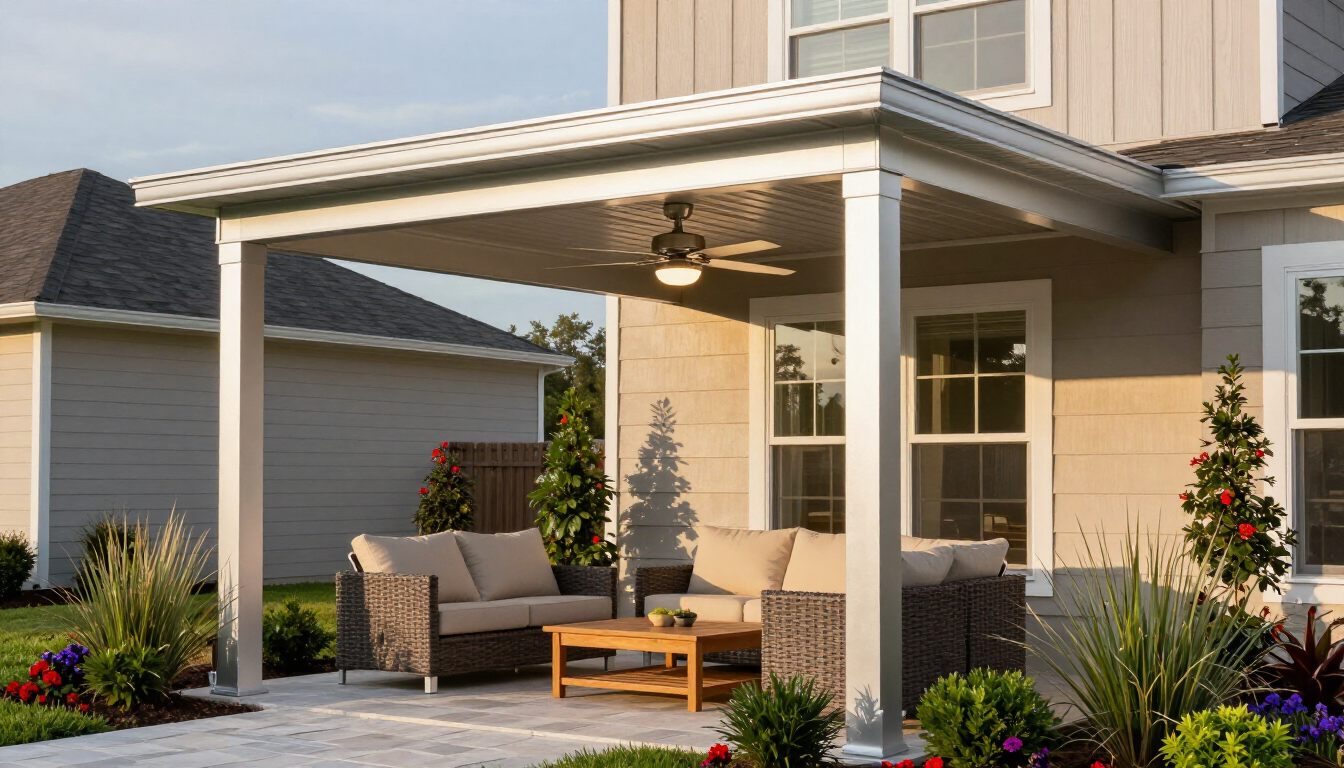
Aluminum patio cover with shade and outdoor seating in Katy, TX
By Brian Sonnier • September 23, 2026
Discover the patio cover features homeowners in Katy, TX request most, from shade and drainage to lighting, privacy, and durable aluminum design.
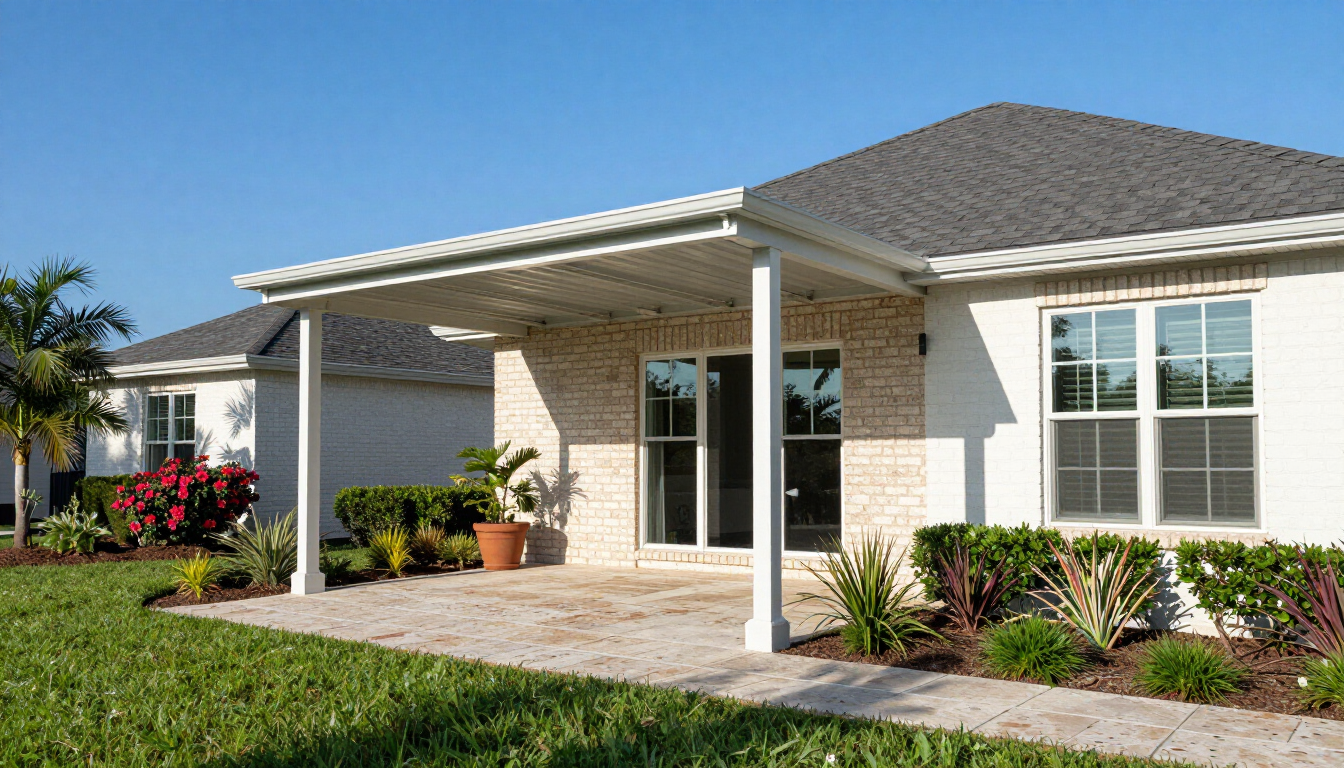
Houston HOA patio cover on a suburban Texas home
By Brian Sonnier • September 23, 2026
Learn how Houston-area HOA rules affect patio covers, pergolas, and screen rooms—and how to get approval before your project begins.

Homeowner learning how to read a patio cover quote beside an aluminum patio cover
By Brian Sonnier • September 23, 2026
Learn how to read a patio cover quote, compare contractors, spot missing costs, and ask better questions before approving your Houston-area project.
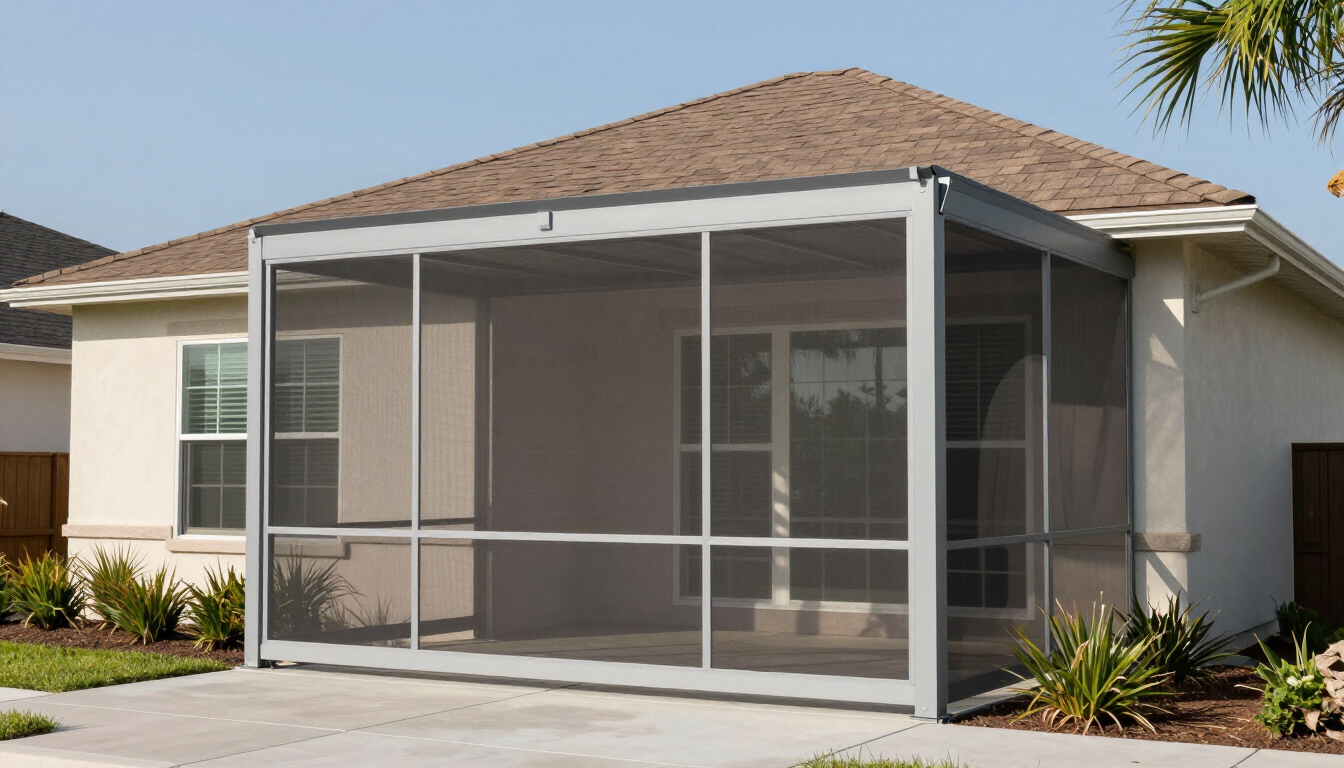
Texas coastal windstorm areas guide for Houston homeowners
By Brian Sonnier • September 23, 2026
Learn how Texas coastal windstorm areas affect Houston homeowners, patio covers, permits, inspections, and smart project planning.
Show More