How to Choose the Right Patio Cover (5 Steps)
Choosing the right patio cover means matching shade, weather protection, materials, style, and budget to how you use your outdoor space. For Houston homeowners, an aluminum patio cover is often a durable, low-maintenance choice, but the best design depends on your home, drainage needs, local climate, and plans for the patio.
Step 1: What do you want your patio cover to do?
Start with the outcome you want. A patio cover can provide shade, reduce heat near your back door, protect outdoor furniture, and make your patio more useful during light rain. Defining the main purpose helps you avoid paying for features you will not use—or choosing a design that does not solve your biggest problem.
Ask yourself:
- Do you mainly need relief from direct afternoon sun?
- Do you want protection for furniture, a grill, or an outdoor kitchen?
- Will your family dine, entertain, or relax beneath the cover?
- Do you want an open-air feel or a more enclosed outdoor room?
- Might you add screens, lighting, fans, or electrical features later?
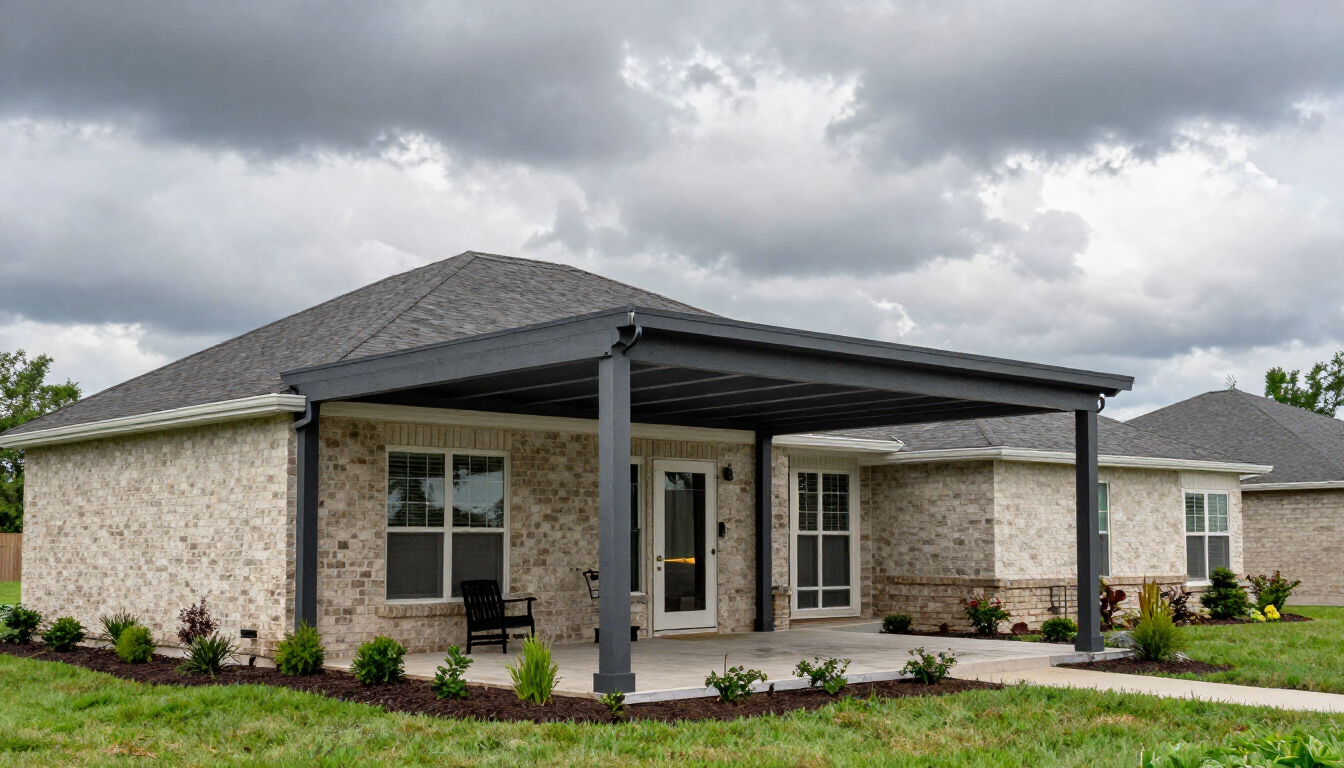
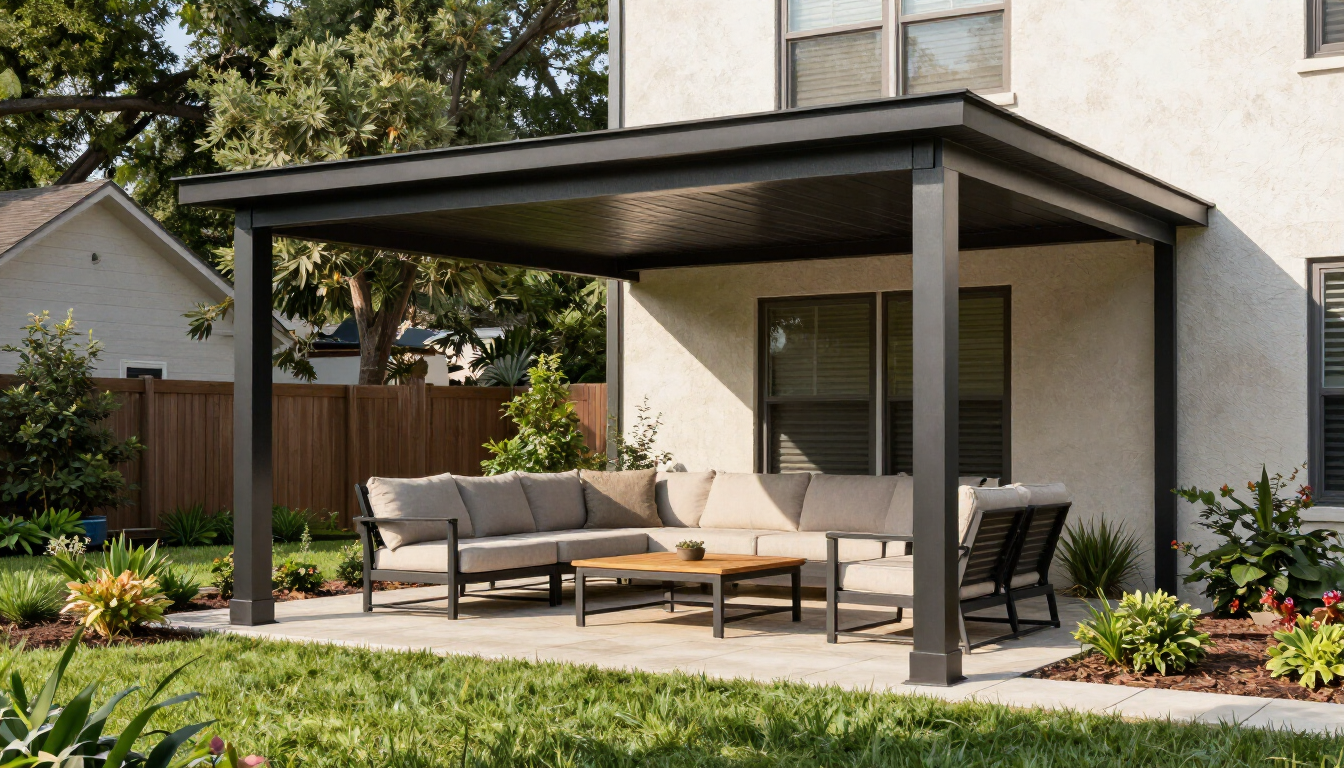
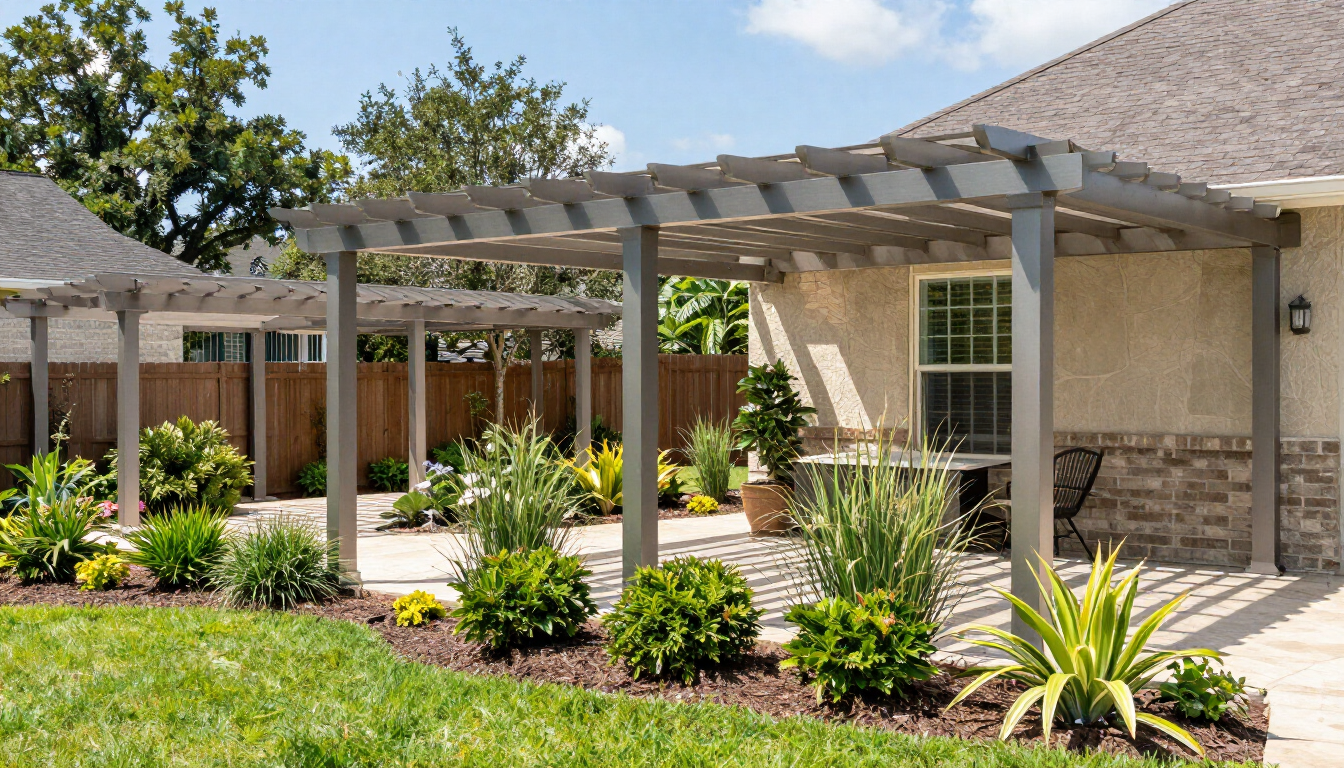
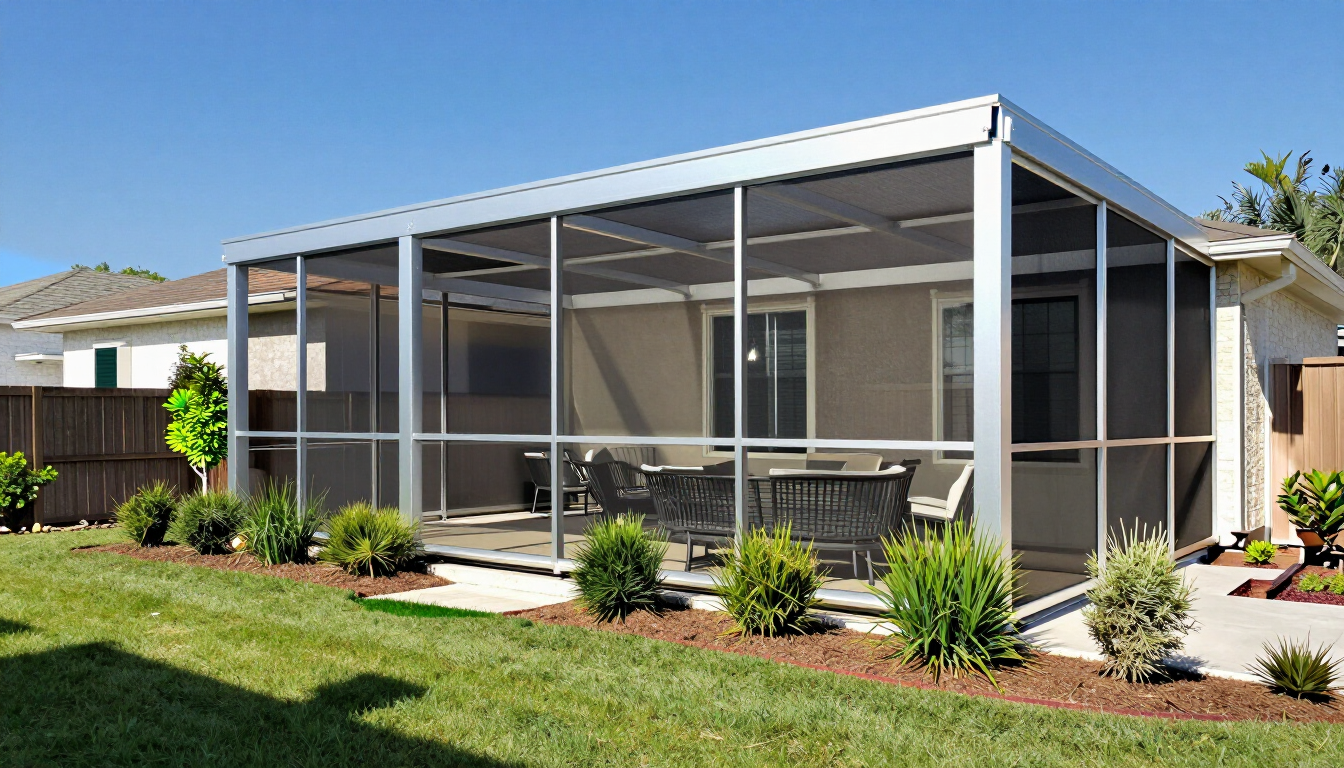
If your goal is simple shade, an open-lattice design may work well. If you want dependable shelter from sun and rain, a solid-roof patio cover is usually more practical. Homeowners who want greater comfort and insect protection may prefer a screen room enclosure.
Step 2: How much shade and weather protection do you need?
Houston’s hot summers, intense sunlight, humidity, and sudden rainstorms should influence your design. Consider the patio’s direction and the time of day you use it. A west-facing patio may need more coverage because it receives strong afternoon sun, while a north-facing space may need a different balance of shade and natural light.
A solid patio cover offers the most consistent protection. It can help keep the patio cooler and make outdoor seating more comfortable in changing weather. A lattice or pergola-style roof allows more sunlight and airflow, which may suit homeowners who want a brighter, more open space.
Look at the existing conditions before choosing a roof style:
- Identify where sunlight falls in the morning, afternoon, and evening.
- Note areas where rainwater currently collects or runs toward the house.
- Check whether nearby trees, fences, or additions affect airflow.
- Decide whether you want full shade or filtered light.
- Think about seasonal use, not only the hottest months.
For a decorative structure with partial shade, explore pergola options. For stronger everyday protection, compare aluminum patio covers.
Step 3: Which patio cover material is best for your home?
Material affects durability, maintenance, appearance, and long-term value. Wood can create a warm, traditional look, but it typically requires more upkeep, including staining, sealing, and inspection for moisture damage. Aluminum is popular with Houston homeowners because it is lightweight, resistant to common outdoor wear, and generally requires minimal maintenance.
Why choose aluminum?
An aluminum patio cover can provide:
- Long-lasting performance in a humid climate
- Resistance to rot, termites, and peeling caused by moisture
- A clean appearance that complements many home styles
- Less ongoing maintenance than many wood structures
- Flexible options for solid, lattice, and custom designs
Aluminum does not mean you must sacrifice style. Color, trim, roof lines, posts, and decorative details can help the structure coordinate with your home’s exterior. Review completed installations in the patio cover project gallery to compare proportions and design ideas.
The right material is the one that fits your maintenance preferences as well as your appearance goals. If you enjoy routine wood care and want a natural finish, wood may still be appropriate. If you want a durable structure that is easier to maintain, aluminum deserves close consideration.
Step 4: What size and layout will work best?
The cover should be large enough to serve its purpose without overwhelming the home or yard. Measure the patio, furniture, walkways, doors, windows, grills, and any planned additions. A cover that is too shallow may leave chairs partly exposed, while one that is too large can reduce usable yard space or look out of proportion.
Plan around real activities rather than empty floor area. Leave room to pull out dining chairs, walk around a table, open doors, and move safely between the house and yard. If you entertain often, include circulation space instead of filling every square foot with furniture.
Also consider height and attachment points. The structure should work with existing roof lines, windows, gutters, doors, and exterior finishes. A professional evaluation can identify drainage, clearance, and installation considerations before construction begins.
A useful planning checklist includes:
- Patio width, depth, and usable shape
- Furniture dimensions and walking paths
- Door swings and window access
- Grill, kitchen, fan, or lighting locations
- Roof height, drainage, and connection to the home
Browse patio cover styles for ideas, then compare them with your home’s proportions and the way your family actually uses the space.
Step 5: How should you compare cost, quality, and installation?
Price matters, but the lowest estimate is not always the best value. Compare what each proposal includes, such as materials, engineering or permitting responsibilities, drainage details, finishes, cleanup, warranty coverage, and the expected installation timeline.
When reviewing a contractor, look for clear communication and relevant experience. Ask how the design will handle water runoff, how posts will be positioned, and what maintenance the finished structure requires. You should also confirm that the company understands local conditions and serves your area.
Before choosing, ask these questions:
- What material and roof system do you recommend for my goals?
- How will rainwater drain away from the house and patio?
- What preparation does the existing patio require?
- Are permits or approvals needed for this project?
- What is included in the written estimate and warranty?
Lone Star Patio Covers & Enclosures has more than 30 years of experience serving Houston and surrounding communities, including Katy, Cypress, The Woodlands, Spring, Richmond, and Pearland. You can learn more about the company on the About Us page or request a consultation to discuss your space.
Common patio cover mistakes to avoid
Even a simple project benefits from careful planning. Avoid these common mistakes:
- Choosing a roof style without studying sun exposure
- Forgetting furniture clearance and walking space
- Ignoring drainage and water flow
- Selecting a material based only on the initial price
- Treating the patio as separate from the home’s architecture
A good design should look intentional, protect the areas you use, and remain practical over time. Photos can inspire you, but your property’s orientation, dimensions, and drainage conditions should guide the final decision.
Final takeaway
To choose the right patio cover, begin with how you want to use the space, then evaluate shade, weather protection, material, size, and installation quality. For many Houston homeowners, aluminum offers a durable, low-maintenance solution that can be customized to complement the home. Measure your patio, study sun and rain patterns, compare solid and lattice designs, and request a detailed proposal before deciding. The best next step is to review examples, define your must-have features, and speak with an experienced local contractor about a design that fits your home and budget.