
5 Ways Patio Enclosures Improve Pool Safety

Brian Sonnier • September 23, 2026

Patio enclosures improve pool safety by creating a physical barrier that helps limit unsupervised access, especially for small children. They also provide visibility, reduce distractions from insects and debris, and make it easier to establish one controlled entry point. However, an enclosure is a safety layer—not a replacement for active supervision, approved barriers, alarms, and secure gates.

Why are patio enclosures important for pool safety?

A pool can be a wonderful part of family life, but it also creates serious risks when a young child reaches the water without an adult noticing. Toddlers are naturally curious, move quickly, and may not understand how dangerous even shallow water can be.

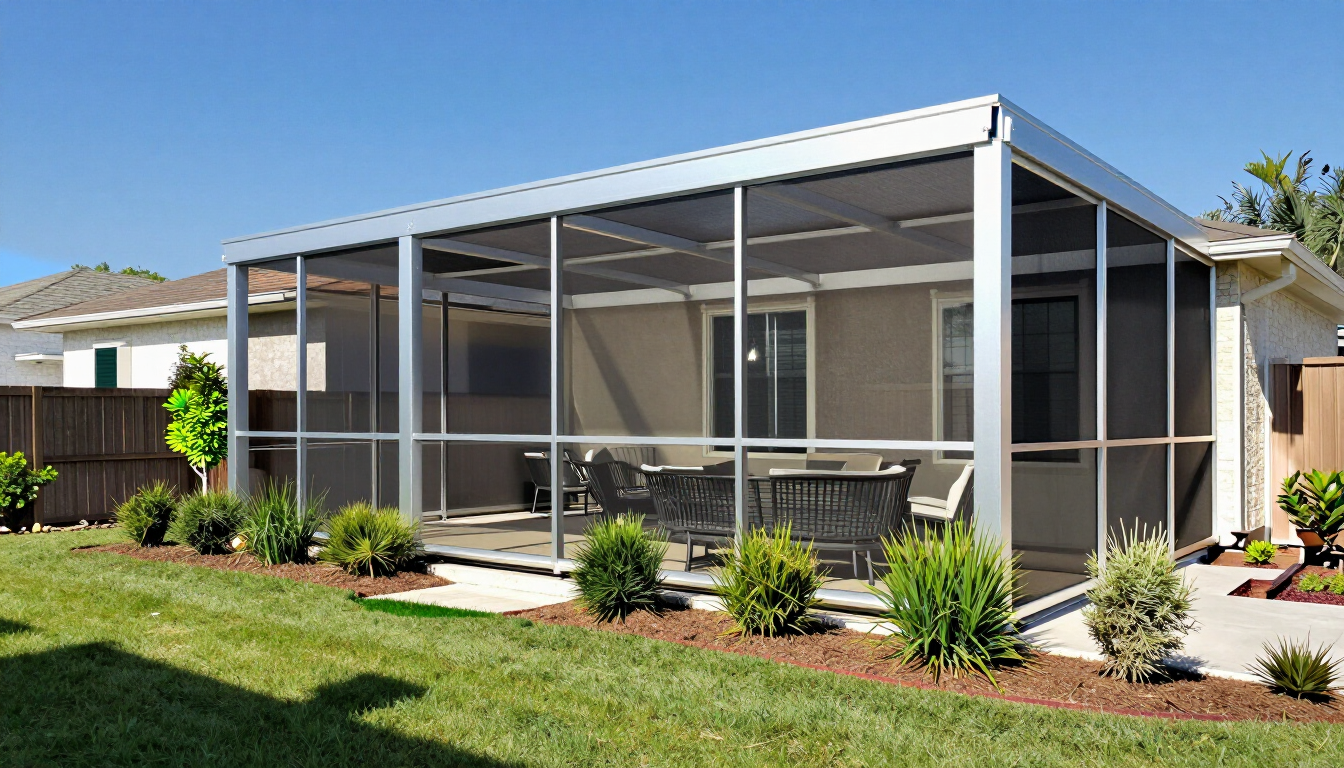
A patio enclosure surrounds the pool area with screened walls and a controlled access point. This can help separate the water from the rest of the yard and make accidental entry less likely. For parents, that extra layer creates a clearer boundary between everyday play areas and the pool environment.

In Greater Houston, screened enclosures can offer another advantage: they help manage mosquitoes, leaves, pollen, and other outdoor distractions. A cleaner, more comfortable pool area may make it easier for adults to keep their attention on children instead of constantly dealing with bugs or maintenance.

Still, no structure can guarantee complete protection. Children should always be watched closely around water, and families should use multiple safety measures together.

5 ways patio enclosures can help protect small children

1. They create a physical separation

The most direct benefit is the boundary itself. A properly designed enclosure can make it harder for a child to wander from the home or yard directly to the pool. Instead of an open route to the water, the child encounters a screened wall and a designated access point.

This separation is especially useful when adults are carrying groceries, hosting guests, working in the yard, or briefly distracted by normal household activity. It reduces opportunity for a child to reach the pool unnoticed, although it does not eliminate the need for supervision.

2. They support controlled access

A pool enclosure can help families establish one normal way in and out of the pool area. Depending on the design, that may include a self-closing or lockable door selected to meet applicable local requirements.

Parents can reinforce simple household rules, such as:

  • Children enter the pool area only with an adult.
  • The access door stays closed when the pool is not in use.
  • Locks, latches, and hinges are checked regularly.
  • Guests are told about the pool rules before children begin playing.

Your contractor should discuss code requirements, door hardware, and the layout of your property before construction begins. For more information about available designs, explore Lone Star’s patio enclosures service page.

3. They improve visibility around the pool

Visibility matters because adults need to notice where children are and what they are doing. Screen walls can preserve an open view while still creating a meaningful boundary. Compared with a solid wall or heavily landscaped pool edge, a screened enclosure may make it easier to see the pool from nearby outdoor areas.

That visual connection can support active supervision during pool time and help adults notice when a child is approaching the enclosure door. The best layout depends on your home, furniture, landscaping, and typical sightlines, so design should begin with how your family actually uses the yard.

4. They reduce outdoor distractions

Mosquitoes, flies, leaves, and pollen can make pool areas uncomfortable. When people are swatting insects or cleaning debris, their attention may be divided. Screening helps reduce some of these interruptions and can keep the pool deck more usable.

A more comfortable space may also encourage families to spend pool time together rather than allowing children to play outside while adults remain indoors. Comfort is not a substitute for safety, but it can support better habits and more consistent supervision.

5. They add a clear safety routine

Children benefit from predictable routines. An enclosure gives families a natural place to reinforce pool rules: stop at the door, wait for an adult, enter together, and leave together.

This routine is particularly helpful for younger children who are still learning boundaries. Parents can pair it with swimming lessons, life jackets when appropriate, pool alarms, and an emergency plan. Together, these measures create layers of protection instead of relying on a single product.

What other pool safety measures should parents use?

Patio enclosures work best as part of a broader water-safety plan. The American Academy of Pediatrics recommends layered protection because no single measure is fully reliable. Your family’s plan may include:

  • Active, close supervision whenever children are near water.
  • Age-appropriate swimming lessons and water-safety education.
  • A properly installed barrier, secure door, and reliable latch.
  • Pool alarms or door alarms that alert adults to unexpected access.
  • A U.S. Coast Guard-approved life jacket when conditions call for one.
  • A visible emergency plan, including CPR training and emergency numbers.

Keep rescue equipment accessible, maintain clear walking paths, and teach children never to enter the pool area alone. If a child is missing, check the pool first while another adult calls for emergency help.

How should you choose a pool enclosure for your home?

The right patio enclosure should fit both your safety goals and the way your family uses the property. Before requesting a quote, consider these questions:

  1. Where are children most likely to approach the pool? Identify doors, play areas, gates, and routes through the yard.
  2. Can adults see the pool from the kitchen, living room, or patio? Preserve useful sightlines where possible.
  3. Where should the access door be located? Choose a location that is convenient for adults but not easy for young children to operate.
  4. What maintenance conditions affect the space? Houston weather, insects, pollen, storms, and debris should influence material and screen choices.
  5. How will the enclosure support future needs? Think about furniture, entertaining, pets, accessibility, and growing children.

A professional assessment can identify practical improvements that are easy to miss from a quick measurement. Lone Star Patio Covers & Enclosures serves homeowners throughout the Greater Houston area, including Katy, Cypress, Spring, The Woodlands, Richmond, Conroe, Pearland, and nearby communities. You can also review related patio cover options if you want shade and weather protection in addition to screening.

Design details that support safer everyday use

Safety begins with the enclosure plan, but long-term performance depends on the details. Ask about:

  • Durable aluminum framing designed for outdoor conditions.
  • Screen materials appropriate for pets, children, and local weather.
  • Door placement, closing behavior, latch height, and locking options.
  • Smooth transitions and clear walking areas around the pool.
  • Drainage, maintenance access, and resistance to wind and corrosion.
  • Inspection and repair procedures for damaged screens or hardware.

A well-built enclosure should not create new hazards. Avoid clutter near the door, keep chairs and toys away from access points, and repair tears promptly. If your child can open the door, treat the enclosure as a helpful boundary rather than a locked barrier.

Patio enclosure safety FAQ

Do patio enclosures make a pool completely safe?

No. Patio enclosures can reduce unsupervised access and support visibility, but they cannot prevent every accident. Adults should supervise children closely and use additional barriers, alarms, swimming lessons, and emergency-preparedness measures.

Are screened pool enclosures useful for toddlers?

Yes, they can be useful because they create separation between the pool and other parts of the yard. Their effectiveness depends on secure access points, appropriate design, regular maintenance, and consistent adult supervision.

Can a patio enclosure replace a pool fence?

Not necessarily. Requirements vary by location and property design. An enclosure may serve as part of a compliant barrier system, but homeowners should confirm applicable building and pool-safety codes with a qualified local professional.

How long do aluminum patio enclosures last?

Service life varies with materials, installation quality, exposure, maintenance, and weather. Aluminum is popular because it is lightweight and resistant to many outdoor conditions. Ask your contractor about expected performance, warranties, and replacement of screens or hardware.

A safer, more comfortable pool area

Patio enclosures can help parents protect small children by separating the pool from the rest of the yard, controlling access, preserving visibility, and reducing everyday distractions. They are most effective when combined with close supervision, secure doors, alarms, swimming instruction, and a family emergency plan. Start by evaluating how your child reaches the pool, where adults supervise most often, and which enclosure layout supports both safety and comfort. Then compare professional designs, materials, hardware, and local requirements before choosing a contractor. For a Houston-area evaluation, contact Lone Star Patio Covers & Enclosures or visit the contact page to discuss your pool enclosure goals.

Recent Posts

Aluminum patio cover and screen enclosure in The Woodlands, TX
By Brian Sonnier • November 1, 2026
See how a The Woodlands homeowner combined an aluminum patio cover and screen enclosure for shade, comfort, and low-maintenance outdoor living with Lone Star Patio Covers & Enclosures.
Hurricane wind ratings for an aluminum patio cover in Houston
By Brian Sonnier • November 1, 2026
Learn how hurricane wind ratings, engineering, hail, and heavy rain affect aluminum patio covers in Houston—and what to ask your contractor before building.
Aluminum patio cover in a Houston backyard
By Brian Sonnier • November 1, 2026
Compare patio cover financing options and learn what warranties typically cover, from materials and paint finish to workmanship, before hiring a Houston contractor.
Aluminum pergola vs patio cover in a Houston backyard
By Brian Sonnier • November 1, 2026
Compare an aluminum pergola vs patio cover in Houston for shade, rain protection, cost, permits, and the best fit for your backyard.
Patio cover permit plans for a Houston backyard
By Brian Sonnier • November 1, 2026
Learn who issues patio cover permits in Houston, Harris County, and Fort Bend County, what documents you need, how inspections work, and how to avoid delays.
Patio cover cost in Houston, TX
By Brian Sonnier • October 6, 2026
See estimated 2026 patio cover and screen enclosure costs in Houston, including aluminum, Alumawood, insulated panels, installation, permits, and add-ons.
Trusted patio builder Houston custom aluminum patio cover and screen enclosure
By Brian Sonnier • September 23, 2026
Learn what to look for in a trusted patio builder in Houston, from experience and materials to permits, warranties, project photos, and clear estimates.
Insulated aluminum roof panels on a Houston patio cover
By Brian Sonnier • September 23, 2026
Learn how insulated aluminum roof panels work, their benefits, costs, insulation value, and how to choose the right patio cover roofing for your Houston home.
Pergola design ideas for Texas heat with shaded outdoor seating
By Brian Sonnier • September 23, 2026
Explore practical pergola design ideas for Texas heat, including shade, airflow, materials, and layout tips for comfortable Houston-area outdoor living.
Building a patio cover in Houston to meet local building codes
By Brian Sonnier • September 23, 2026
Learn how to build a patio cover that meets Houston building codes, including permits, setbacks, wind loads, drainage, inspections, and contractor tips.

Show More