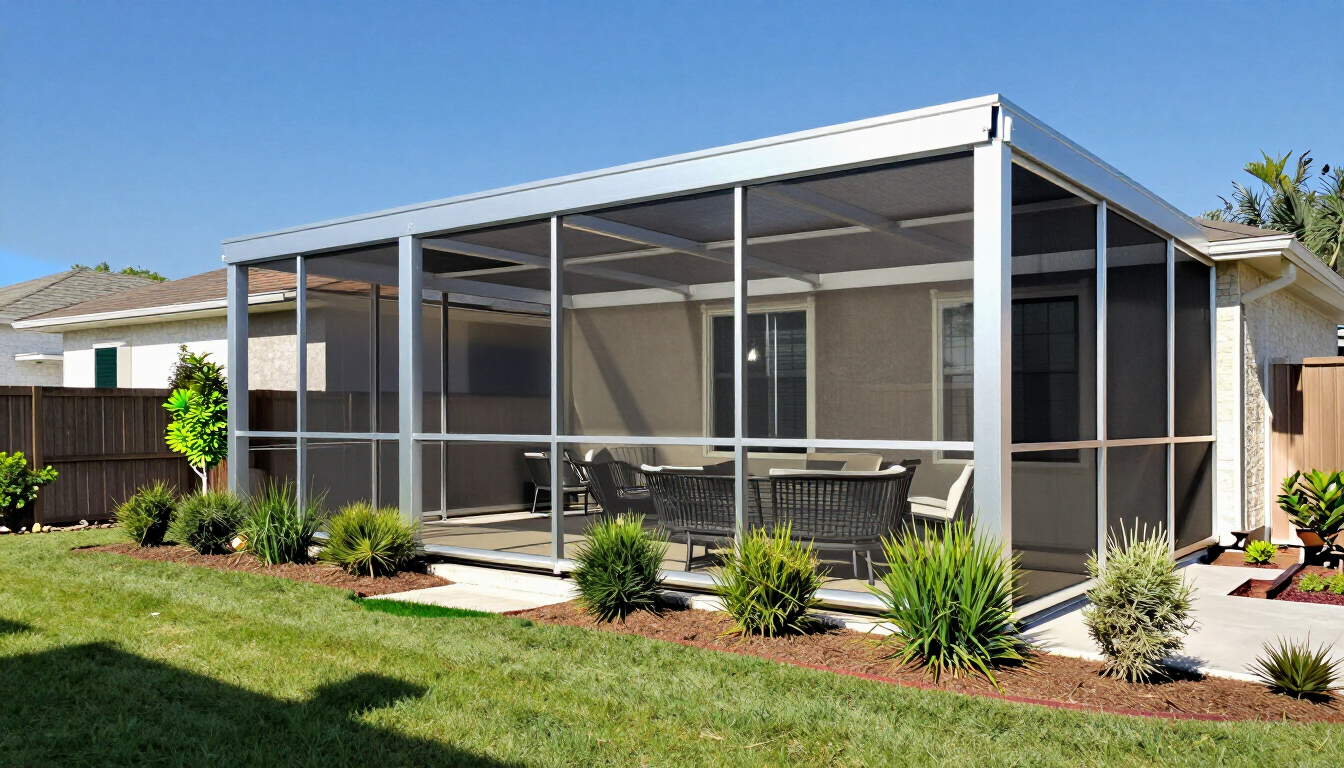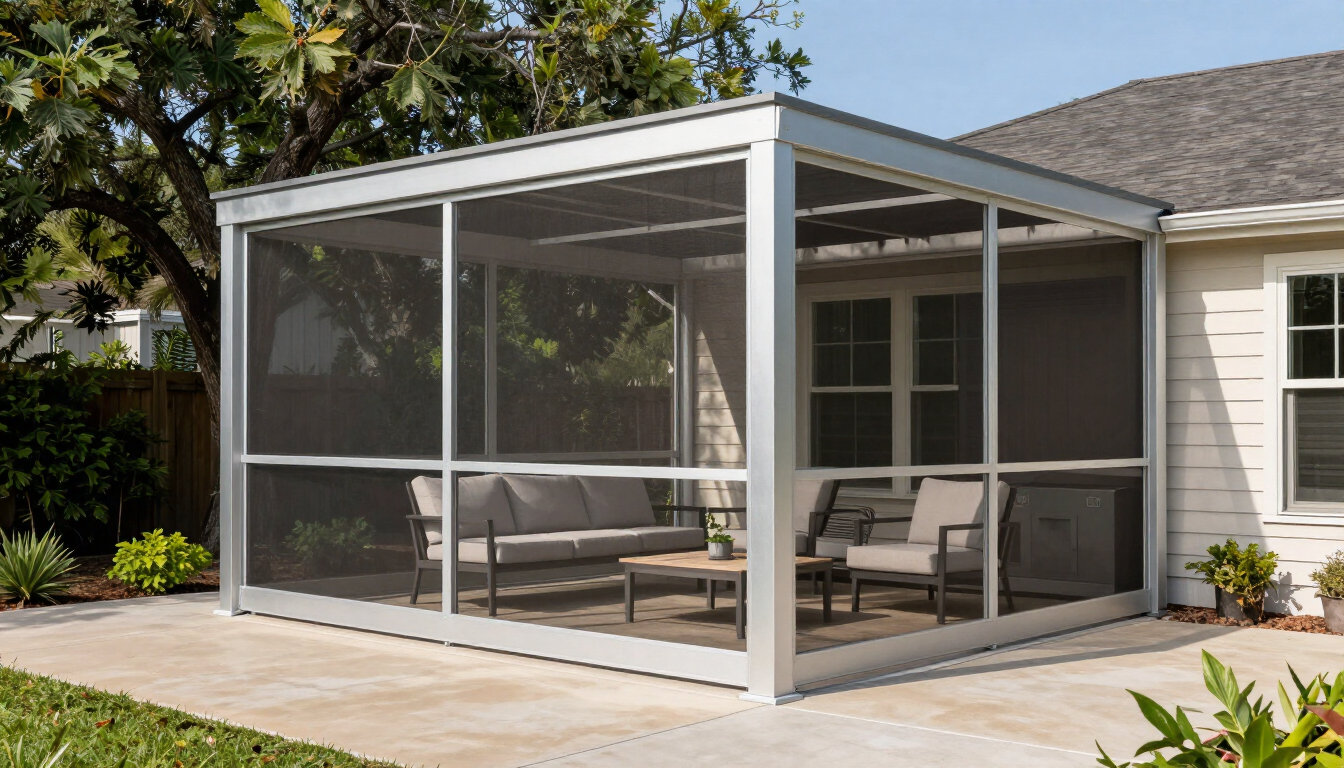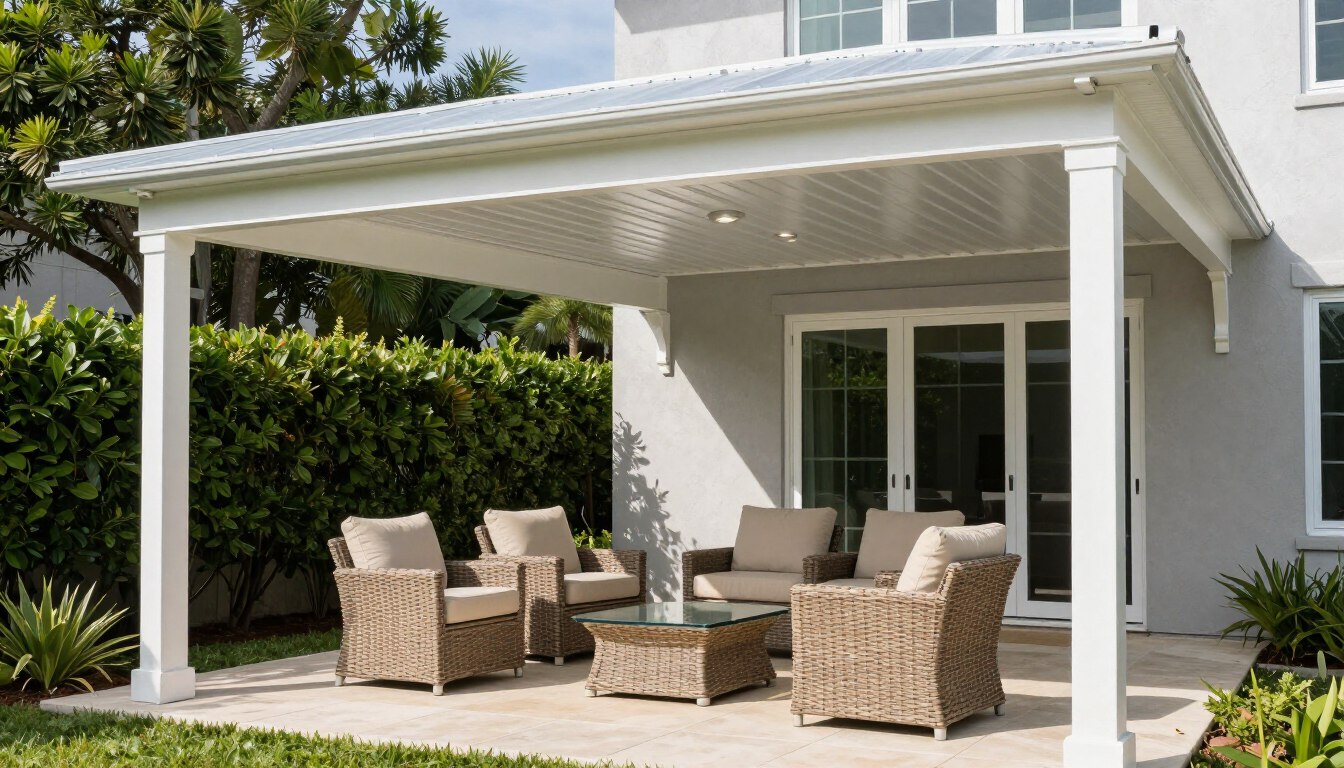

How to Read a Patio Cover Quote (7 Checks)
A patio cover quote is a written breakdown of the structure, materials, labor, permits, and total price for your project. To read a patio cover quote, confirm the dimensions, roof style, aluminum specifications, attachment method, drainage, exclusions, warranty, payment schedule, and whether permits and cleanup are included.
What should a patio cover quote include?
A useful quote should let you understand exactly what you are buying—not just the final number. Look for these core sections:
- Project dimensions, location, and proposed layout
- Roof type, color, finish, and structural materials
- Labor, installation method, and expected schedule
- Permit responsibility, inspections, and code-related requirements
- Total price, payment terms, warranty, exclusions, and change-order rules
If a quote only says “aluminum patio cover” and gives one lump-sum price, ask for more detail before comparing it with another contractor’s proposal. Different quotes may appear far apart because one includes engineering, gutters, footings, or electrical work while another leaves those items out.
For an overview of available options, visit Lone Star’s patio covers service page or review the details of an aluminum patio cover.
How do you compare patio cover quote dimensions?
Start with the measurements. Confirm the quoted width, projection, total square footage, and the exact area where the cover will be installed. A small difference in projection can change usable shade, drainage, structural requirements, and price.
Check whether the dimensions describe:
- The overall outside dimensions of the cover
- The usable shaded area beneath it
- The roof area, including overhangs
- The distance from the home and nearby property lines
Also confirm the height at the wall and outer edge. Height affects appearance, water runoff, attachment details, and compatibility with doors, windows, ceiling fans, and existing rooflines.
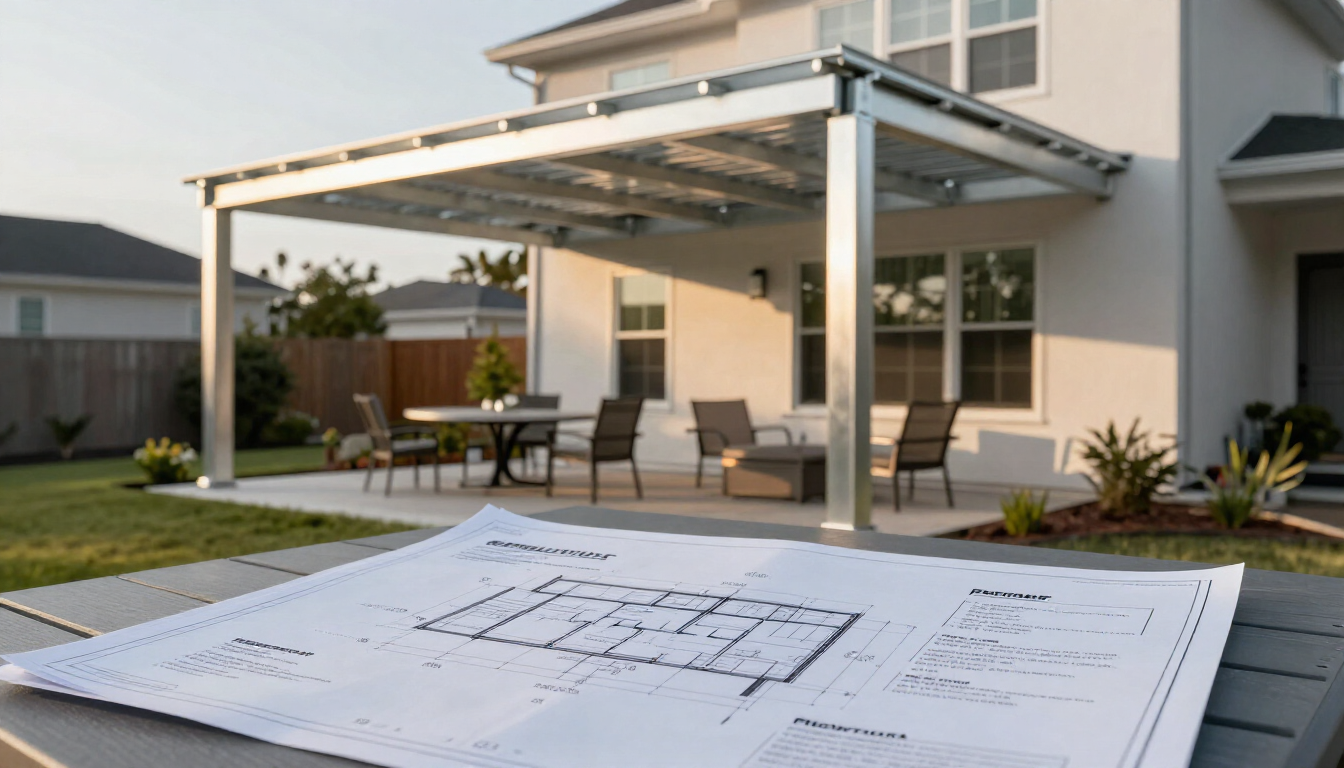
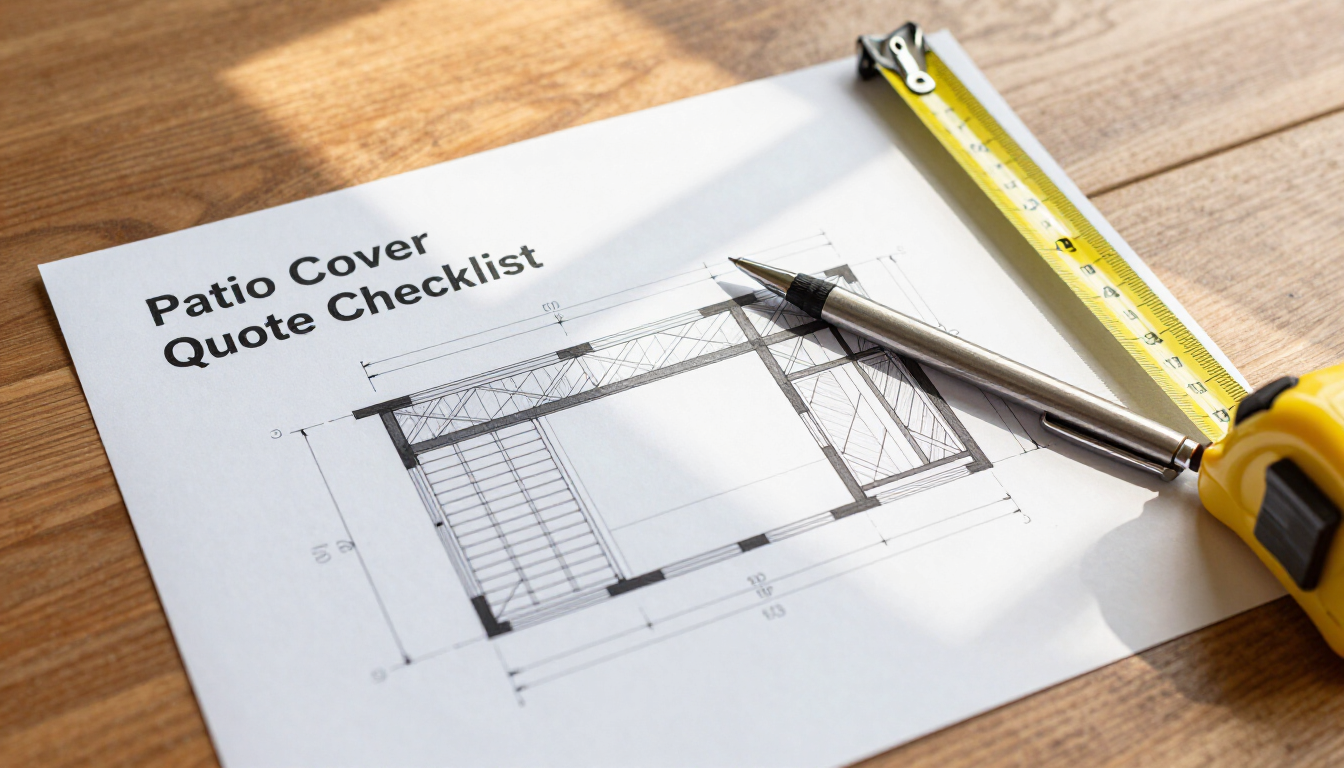
Ask the contractor to identify the proposed location on a sketch or site plan. A clear drawing can reveal issues that are easy to miss in a text-only estimate, such as blocked windows, tight setbacks, utility lines, or an inconvenient post location.
Which materials and specifications matter most?
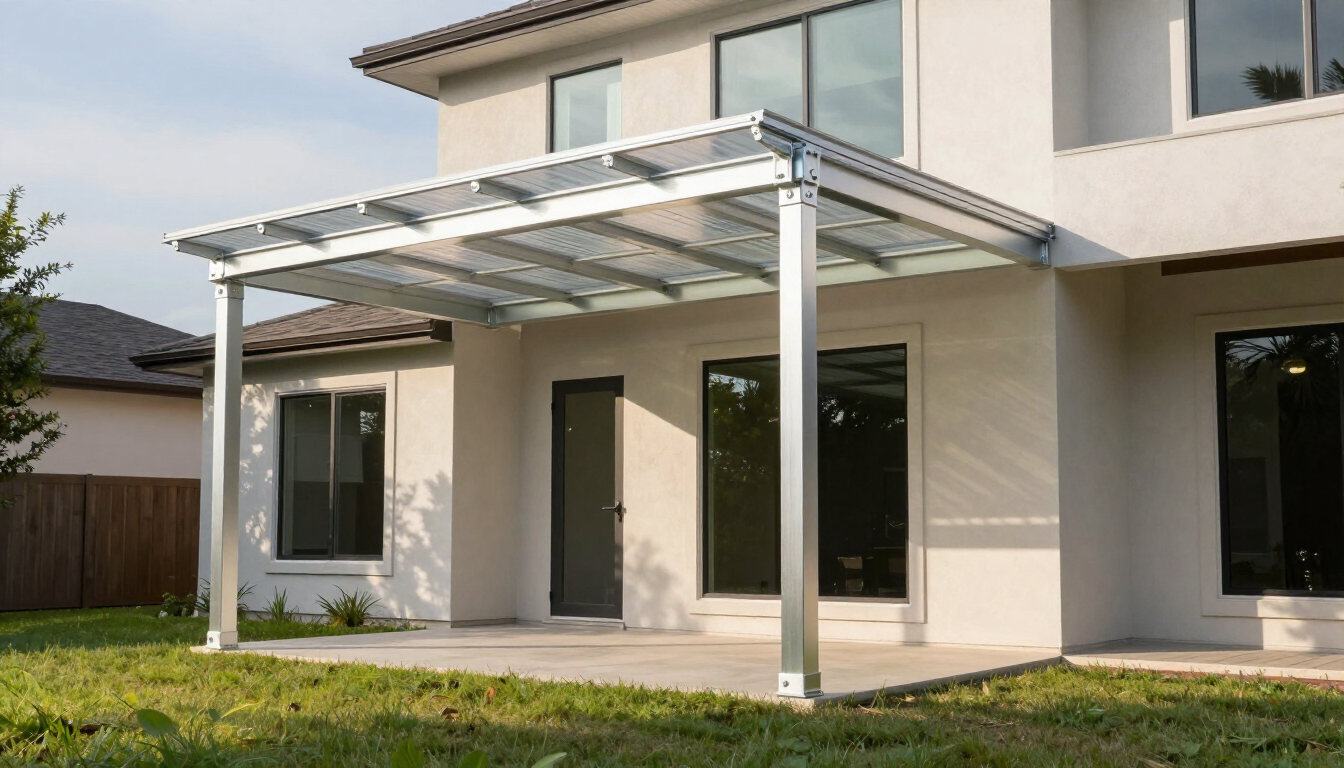
“Aluminum” describes a broad range of products. Your quote should identify the manufacturer or product line when possible, along with the profile, finish, color, and structural components. Ask whether the roof is insulated, solid, pan-style, lattice, or another design.
Review these specifications:
- Roof panels and whether they are insulated or non-insulated
- Posts, beams, rafters, and their approximate sizes
- Powder-coated finish and available color
- Fasteners, brackets, flashing, and connection hardware
- Gutters, downspouts, trim, and end caps
- Concrete footings or other post-support details
A lower quote may use thinner components, omit drainage, or provide fewer finish options. That does not automatically make it a bad proposal, but you should know what differs. In Greater Houston, heat, heavy rain, wind, and humidity make attachment, drainage, and corrosion-resistant finishes especially important discussion points.
Does the quote explain how the patio cover attaches?
The attachment method is one of the most important parts of a patio cover quote. A cover attached to the house may require a ledger, flashing, structural blocking, or another approved connection. A freestanding design may require additional posts and footings.
Look for language explaining:
- Where the cover connects to the home
- How the connection will be sealed against water
- Whether posts are surface-mounted or set into footings
- How the structure handles wind and weather loads
- Whether existing siding, fascia, brick, or roofing must be modified
If the quote says only “install to house,” request a clearer explanation. You should also ask who is responsible if hidden conditions are discovered after work begins. For example, rotten wood, unexpected masonry, or an unsuitable attachment point could require extra work. The quote should explain how that work is priced and approved.
Are permits, inspections, and site conditions included?
Never assume permits are included because a contractor mentions code compliance. Ask directly whether the quoted price includes permit applications, engineering or drawings, inspections, and required revisions.
Permit requirements can vary by municipality and project type. The contractor should clarify who contacts the local authority and whether you will receive documentation after approval. Also ask about site preparation, including:
- Removal of an existing awning, cover, slab, or landscaping
- Leveling, demolition, hauling, and disposal
- Concrete work or footing installation
- Relocation of sprinklers, lights, outlets, or other utilities
- Protection of nearby surfaces during construction
In some cases, the existing patio slab may not be suitable for the proposed structure. A complete quote should say whether the slab is being reused, modified, or replaced. If the contractor cannot determine that until a site visit, ask how the final decision will be documented.
What costs are commonly missing from a patio cover quote?
The most frustrating surprises usually come from items that were never discussed. Compare each quote line by line and ask whether the following are included, excluded, or priced separately:
- Permits, engineering, and inspection fees
- Concrete footings, slab repairs, or demolition
- Gutters and downspouts
- Electrical work, fans, heaters, or lighting
- Painting, siding repair, roof repair, or flashing
- Landscaping repair and debris removal
A quote may also exclude sales tax, HOA approval, special-order colors, or work made necessary by concealed conditions. Ask for a written list of exclusions rather than relying on a verbal conversation.
Be cautious with allowances. An allowance is a placeholder amount, not always a guaranteed final cost. If the quote includes an allowance for lighting, electrical work, or another selection, ask what happens if the actual cost is higher or lower.
How should you evaluate the total price?
Compare scope before comparing price. Put each proposal into a simple table with the same categories: dimensions, roof system, finish, drainage, attachment, footings, permits, cleanup, warranty, and schedule.
Then ask these practical questions:
- Is the price fixed, estimated, or subject to allowances?
- What circumstances can trigger a change order?
- Are taxes and permit fees included?
- What deposit is required, and when are progress payments due?
- Is the remaining balance due after final inspection or completion?
Avoid choosing a contractor solely because the quote is the lowest. A very low number may reflect a smaller scope, missing items, or assumptions that have not been explained. The best value is usually the proposal that is specific, realistic, and easy to compare.
Payment terms should be written clearly. Be wary of pressure to pay the entire amount upfront. A reasonable schedule should connect payments to defined project milestones, with the final payment due after the agreed work is complete.
What warranty details should you check?
A warranty should identify what is covered, who provides coverage, and how long it lasts. There may be separate warranties for the aluminum materials, finish, labor, and accessories.
Ask whether the warranty covers fading, peeling, leaks, manufacturing defects, and installation problems. Also confirm what maintenance is required and whether unauthorized repairs can affect coverage.
A warranty is only useful if you know how to make a claim. Look for the contractor’s contact information, required documentation, response process, and any exclusions. You can also review a contractor’s testimonials and recent projects to see how customers describe communication and completed work.
Questions to ask before approving the quote
Before signing, ask the contractor to answer these questions in writing:
- What exact structure, dimensions, and materials are included?
- Who handles permits, inspections, and HOA requirements?
- What work is excluded or likely to require a change order?
- How will drainage and water management be handled?
- What is the expected start date and installation duration?
- How will the work area and landscaping be protected?
- What warranties apply to materials and installation?
Take notes during the site visit and make sure revisions appear in the final quote. If you request a different roof color, add gutters, move a post, or change the size, the written proposal should reflect that update before you approve it.
A practical patio cover quote checklist
Use this checklist when reviewing each proposal:
- Scope: The design, dimensions, location, and roof style are clear.
- Materials: Aluminum components, finish, drainage, and accessories are identified.
- Installation: Attachment, footings, site preparation, and cleanup are explained.
- Costs: Total price, taxes, permits, allowances, exclusions, and change orders are stated.
- Protection: Payment schedule, timeline, warranty, and contractor contact information are included.
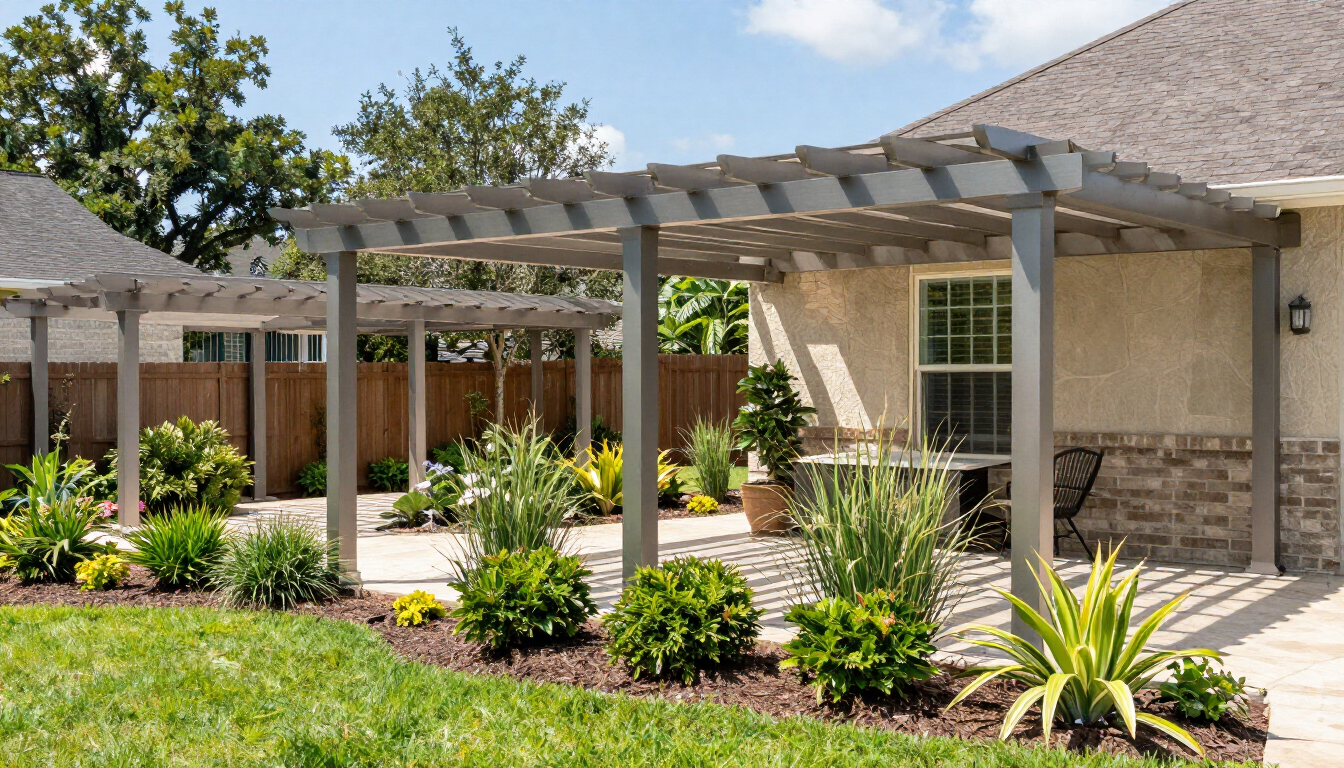
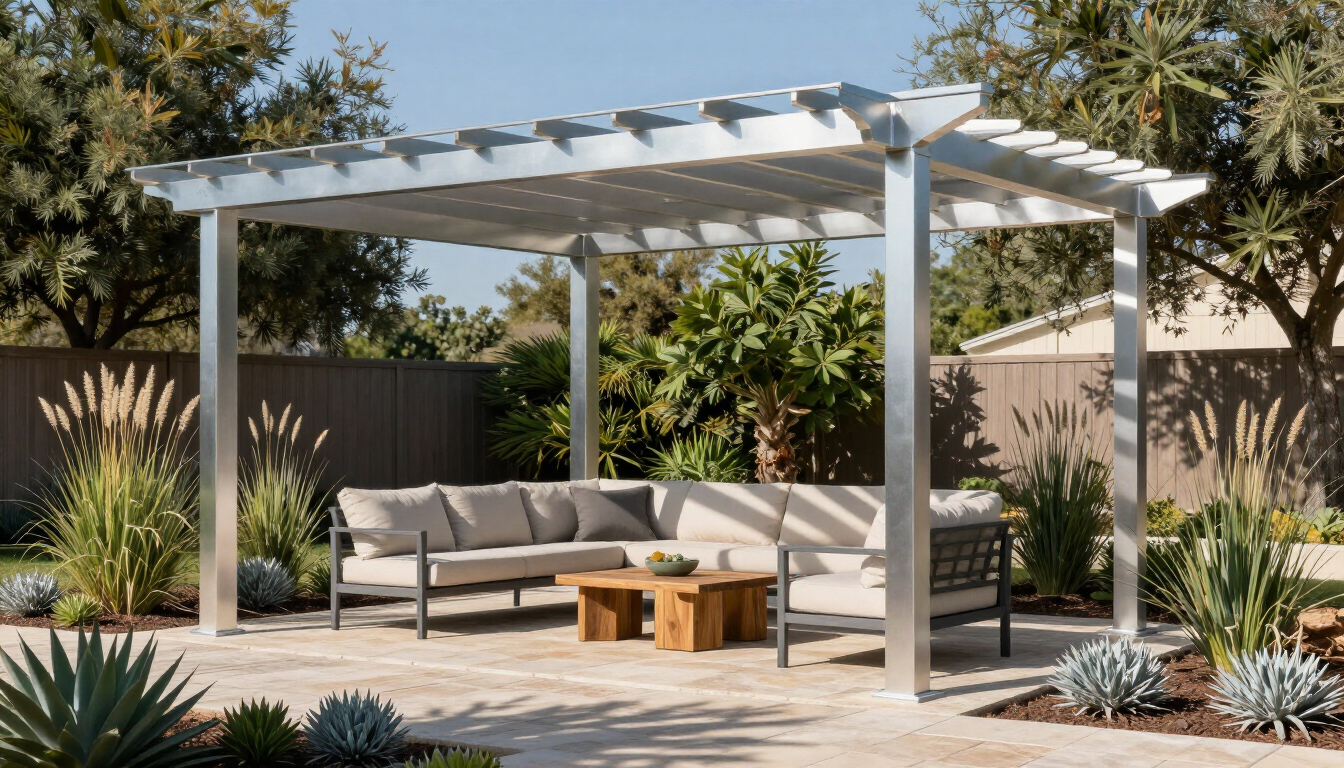
If you are still comparing designs, you can explore pergola options, see pergola project photos, orcontact Lone Star Patio Covers & Enclosures to discuss your site and quote.
Final takeaway
Learning how to read a patio cover quote means checking the scope, materials, attachment method, permits, hidden costs, payment terms, timeline, and warranty—not just the bottom-line price. This approach helps Houston-area homeowners compare proposals fairly and avoid surprises after work begins. Before approving a quote, ask for unclear items to be added in writing, confirm who handles permits and changes, and make sure the final design matches your expectations. Then choose the proposal that offers clear details, dependable communication, and a structure suited to your home and outdoor space.