
7 Screened Patio Maintenance Tips for Year-Round Care

Brian Sonnier • September 23, 2026

Screened patio maintenance keeps your enclosure cleaner, safer, and more comfortable throughout the year. The most effective routine combines gentle screen cleaning, frame inspections, debris removal, hardware checks, and seasonal weather preparation. A few minutes each month can help prevent small issues from becoming costly repairs.

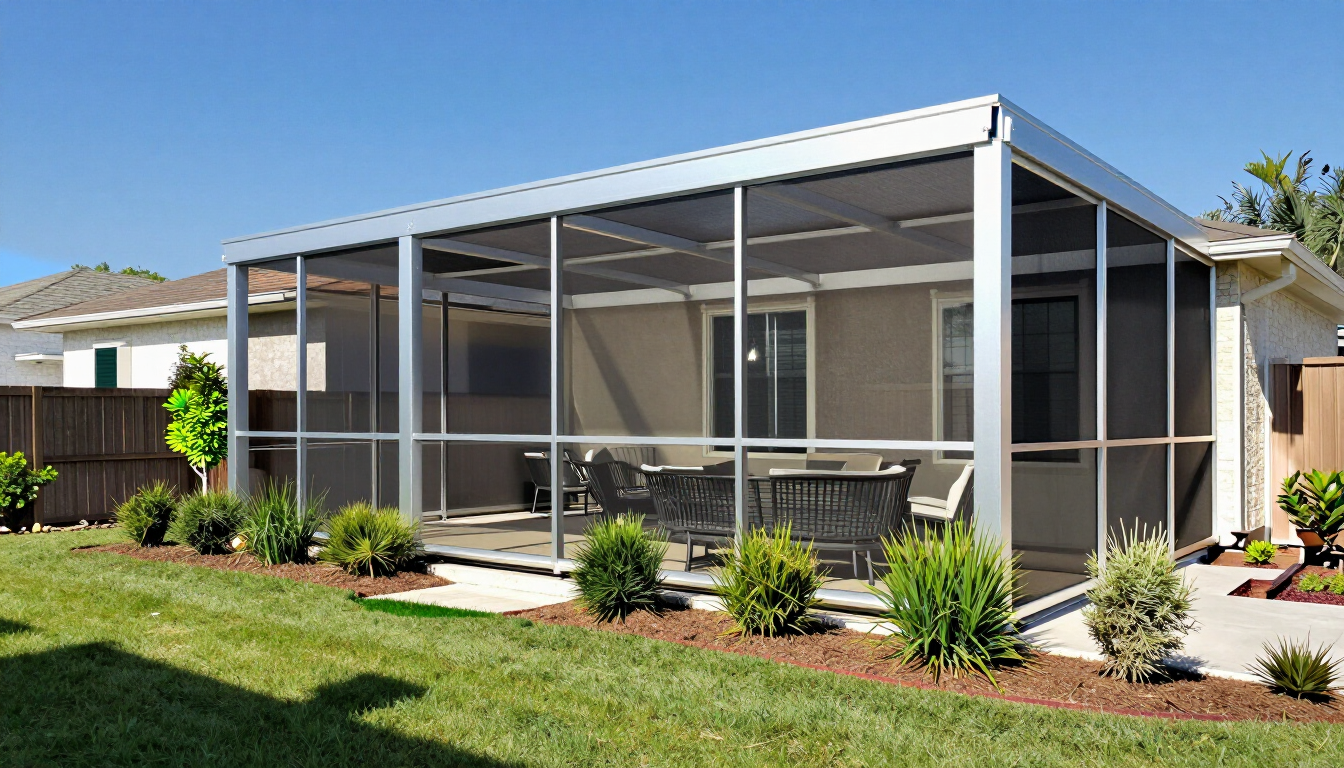
Screened patio maintenance with clean screens and comfortable outdoor furniture

Why does screened patio maintenance matter?

A screened patio is exposed to sun, humidity, rain, wind, insects, pollen, and falling leaves. In the Greater Houston area, heat and storms can place extra stress on screens, fasteners, doors, and aluminum frames.

Routine care helps you:

  • Keep screens clearer and improve airflow
  • Reduce pollen, dust, cobwebs, and insect buildup
  • Spot tears, loose spline, corrosion, or shifting frames early
  • Protect furniture and finishes from excessive moisture and grime
  • Make the enclosure more inviting for everyday use

Maintenance also gives you a chance to decide whether your current enclosure still fits your needs. If you are considering an upgrade, explore Lone Star’s patio enclosures for ideas.

How often should you clean a screened patio?

For most homeowners, a light monthly check and a deeper cleaning every three to six months works well. Homes near trees, construction, open fields, or waterways may need more frequent attention.

Use this simple schedule:

  • Monthly: Sweep floors, remove cobwebs, inspect doors, and check for visible screen damage.
  • Every three months: Wash screens and frames, clean tracks, and inspect fasteners.
  • Before storm season: Look for loose panels, weak hardware, and gaps around doors.
  • After severe weather: Check for bent frames, punctures, fallen branches, and water intrusion.
  • Before cooler weather: Clean thoroughly and confirm that doors close securely.

The goal is consistency rather than a complicated checklist. Small, regular tasks are easier than waiting until dirt, mold, or damage becomes obvious.

The basic cleaning method

Start by removing furniture, rugs, planters, and other items that block access. Use a soft-bristled broom or handheld vacuum to remove loose dust and cobwebs. Avoid pressing directly against the mesh, especially if the screen is older or already sagging.

Mix warm water with a small amount of mild dish soap. With a soft cloth or microfiber mop, gently wash the aluminum frame and screen from top to bottom. Rinse with clean water, then allow everything to dry before replacing furniture.

Avoid these common mistakes:

  • Using a pressure washer directly on the screens
  • Scrubbing mesh with abrasive brushes
  • Applying bleach or harsh solvents without checking the material
  • Spraying water into door hardware or electrical fixtures
  • Cleaning screens while standing on unstable furniture

If you use a hose, choose a gentle spray setting and keep the nozzle several feet away. Strong water pressure can stretch mesh, loosen spline, or force water into places it should not go.

How do you inspect screens, frames, and doors?

Walk around the enclosure slowly and inspect each section in good daylight. Look for small problems that can spread or worsen during the next storm.

Check for:

  1. Tears and punctures: Small holes can become larger when pets, children, wind, or furniture contact the mesh.
  2. Loose spline: The rubber or vinyl spline should sit firmly in its channel without bulges or gaps.
  3. Sagging panels: A loose-looking screen may indicate aging mesh, frame movement, or failed installation components.
  4. Bent aluminum: Examine corners, vertical posts, and lower rails for dents or shifting.
  5. Door alignment: The door should swing or slide smoothly, latch completely, and leave minimal gaps.
  6. Worn rollers and hinges: Grinding, sticking, or rattling can signal hardware that needs adjustment or replacement.

Do not ignore a screen that is only slightly damaged. Prompt repairs usually help preserve the surrounding panel and keep insects outside where they belong.

Homeowner inspecting a screened patio door and aluminum frame

What should you do before Houston storms?

Storm preparation is an important part of year-round patio enclosure care. Before strong weather arrives, remove lightweight décor, hanging items, and loose furniture. Move larger furniture away from vulnerable screens and secure anything that could blow into the enclosure.

Inspect roof edges, posts, corners, and connections. Clear leaves from nearby gutters and drainage areas so rainwater does not collect against the enclosure. If you find a loose panel or damaged section, arrange a repair before the forecast worsens.

After the storm, do not immediately hose everything down. First look for broken branches, sharp debris, bent components, and standing water. Wear gloves while removing debris, and photograph damage for your records if an insurance claim may be needed.

For larger improvements, compare the options on the patio covers page. A cover can provide additional shade and weather protection alongside a screened living area.

How can you prevent mold and mildew?

Warm, humid weather can encourage mildew when dirt and moisture remain on screens, furniture, or floors. Improve air movement by keeping doors and vents clear, spacing furniture away from screens, and drying wet cushions promptly.

Clean visible organic buildup with mild soapy water first. For persistent discoloration, follow the screen and frame manufacturer’s cleaning guidance. Test any specialty product in a hidden area before applying it broadly.

Never mix cleaning chemicals. If an area repeatedly develops mold or mildew, look for the underlying cause: poor drainage, leaking gutters, blocked airflow, or water entering around a door or roof connection.

Seasonal care checklist

Spring

Remove pollen, inspect every panel, and clean furniture before outdoor entertaining begins. Spring is also a good time to check door closers, latches, and rollers.

Summer

Watch for dust, insects, and intense sun exposure. Keep the enclosure ventilated and check that fans or lighting do not rub against screens.

Fall

Clear leaves regularly, especially from lower tracks and corners. Trim branches that could scrape the roof or screens during windy weather.

Winter

Houston winters are usually moderate, but occasional freezes and storms still matter. Store delicate items, keep drainage paths clear, and repair gaps that allow drafts or pests inside.

Clean screened patio prepared for relaxing through every season

When should you call a patio enclosure professional?

DIY cleaning is appropriate for routine care, but professional help makes sense when you notice:

  • Multiple torn, loose, or sagging screen panels
  • Bent posts, roof framing, or corner connections
  • Doors that no longer close, latch, or roll correctly
  • Persistent leaks, pooling water, or recurring mildew
  • Damage after a major storm
  • A need for added shade, privacy, or usable living space

A professional can determine whether a section needs a simple repair, replacement screening, hardware adjustment, or a larger enclosure solution. Lone Star Patio Covers & Enclosures brings more than 30 years of experience to homeowners throughout Houston and surrounding communities. You can review completed work on the projects page or contact the team for guidance.

Frequently asked questions

Can I pressure wash a screened patio?

It is best to avoid pressure washing screens directly. High pressure can stretch mesh, damage spline, and loosen seals. Use a soft brush, mild soap, and gentle rinsing instead.

How do I clean a screen without damaging it?

Remove loose debris first, then use a soft cloth or brush with diluted mild soap. Work gently, rinse with low pressure, and let the screen dry naturally.

How long do patio screens last?

Lifespan varies based on mesh type, sun exposure, weather, pets, installation quality, and maintenance. Regular inspection helps identify wear before a full panel replacement is necessary.

Should I repair one damaged screen or replace several?

One isolated tear may only require a single-panel repair. If several panels are brittle, faded, or loose, replacing multiple sections may provide a more consistent and durable result.

Keep your screened patio ready

Effective screened patio maintenance does not require complicated equipment or an all-day project. Clean the mesh and frame gently, inspect doors and connections regularly, prepare for storms, and address small damage early. That routine helps your enclosure stay comfortable, attractive, and useful across Houston’s changing weather. Start with a monthly inspection, add seasonal deep cleaning, and contact a patio enclosure professional when damage, leaks, or repeated moisture problems go beyond simple upkeep.

Recent Posts

Aluminum patio cover and screen enclosure in The Woodlands, TX
By Brian Sonnier • November 1, 2026
See how a The Woodlands homeowner combined an aluminum patio cover and screen enclosure for shade, comfort, and low-maintenance outdoor living with Lone Star Patio Covers & Enclosures.
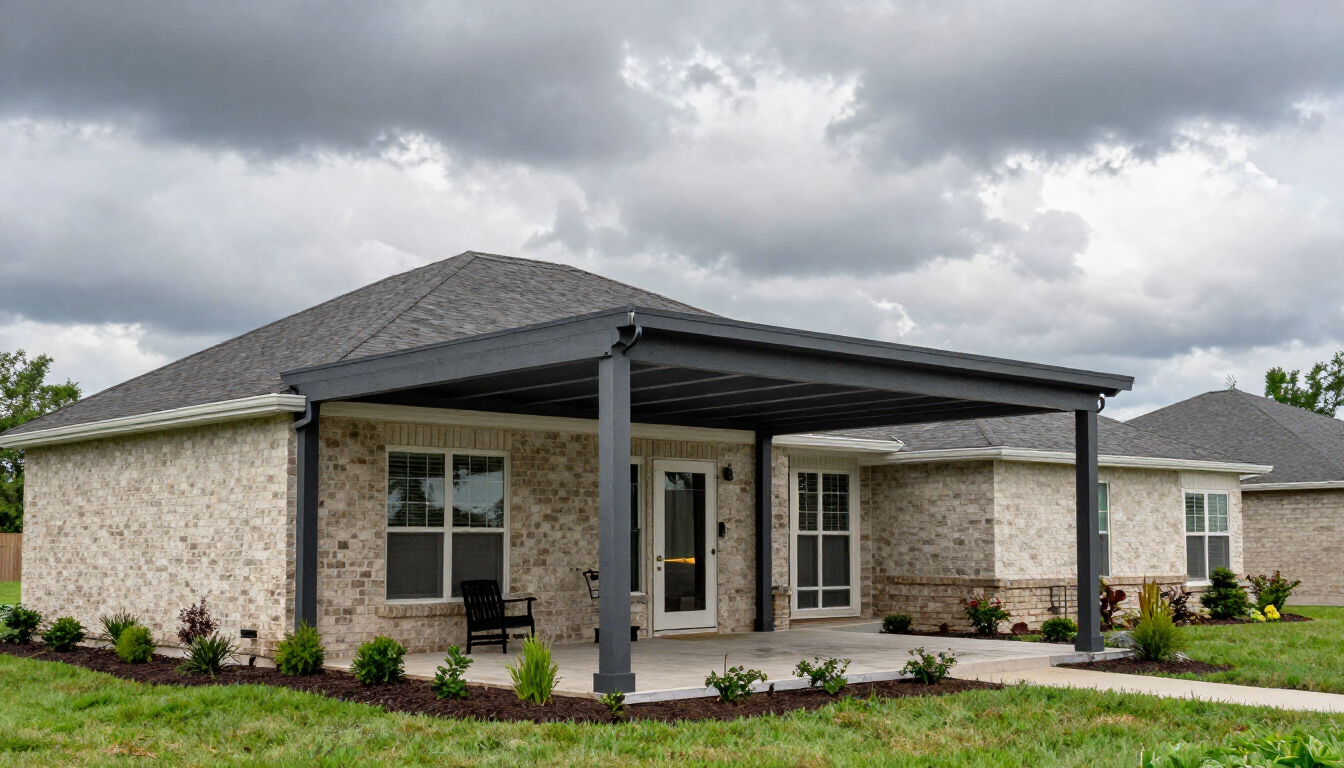
Hurricane wind ratings for an aluminum patio cover in Houston
By Brian Sonnier • November 1, 2026
Learn how hurricane wind ratings, engineering, hail, and heavy rain affect aluminum patio covers in Houston—and what to ask your contractor before building.
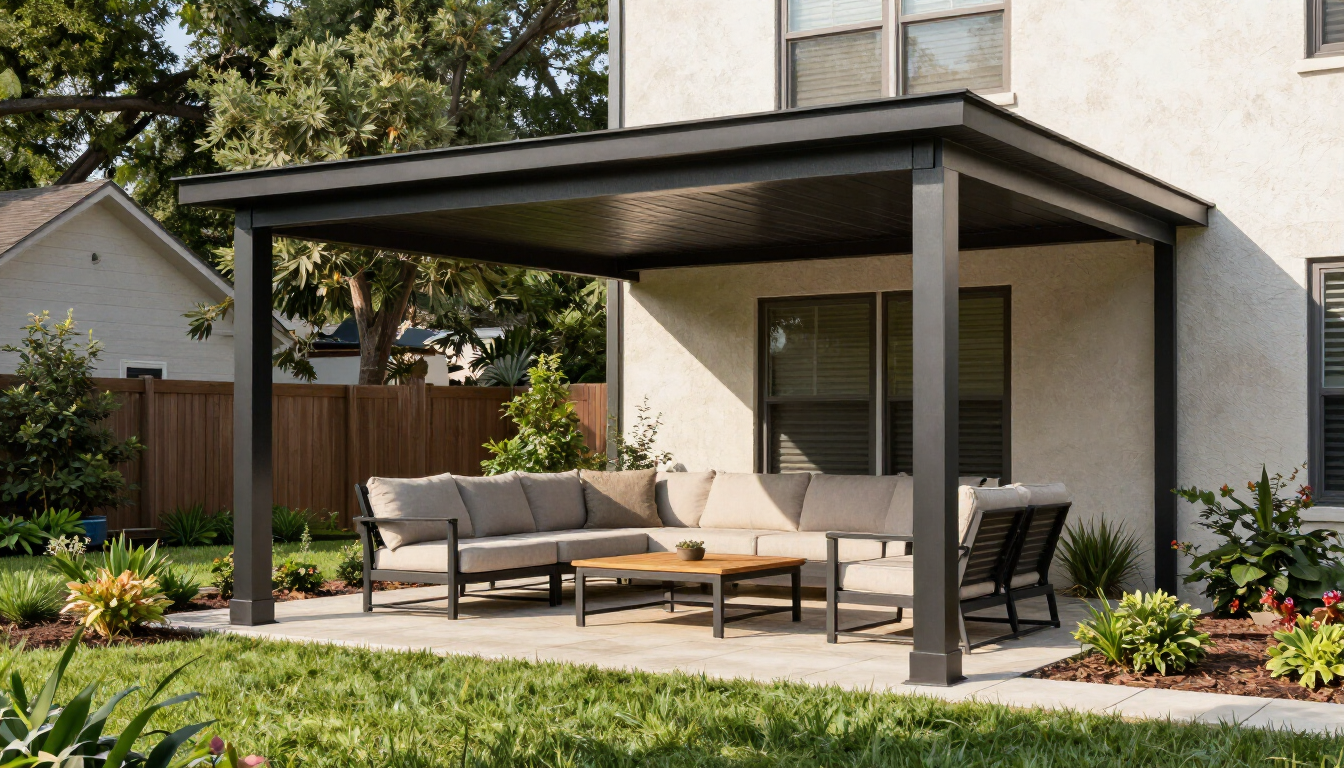
Aluminum patio cover in a Houston backyard
By Brian Sonnier • November 1, 2026
Compare patio cover financing options and learn what warranties typically cover, from materials and paint finish to workmanship, before hiring a Houston contractor.
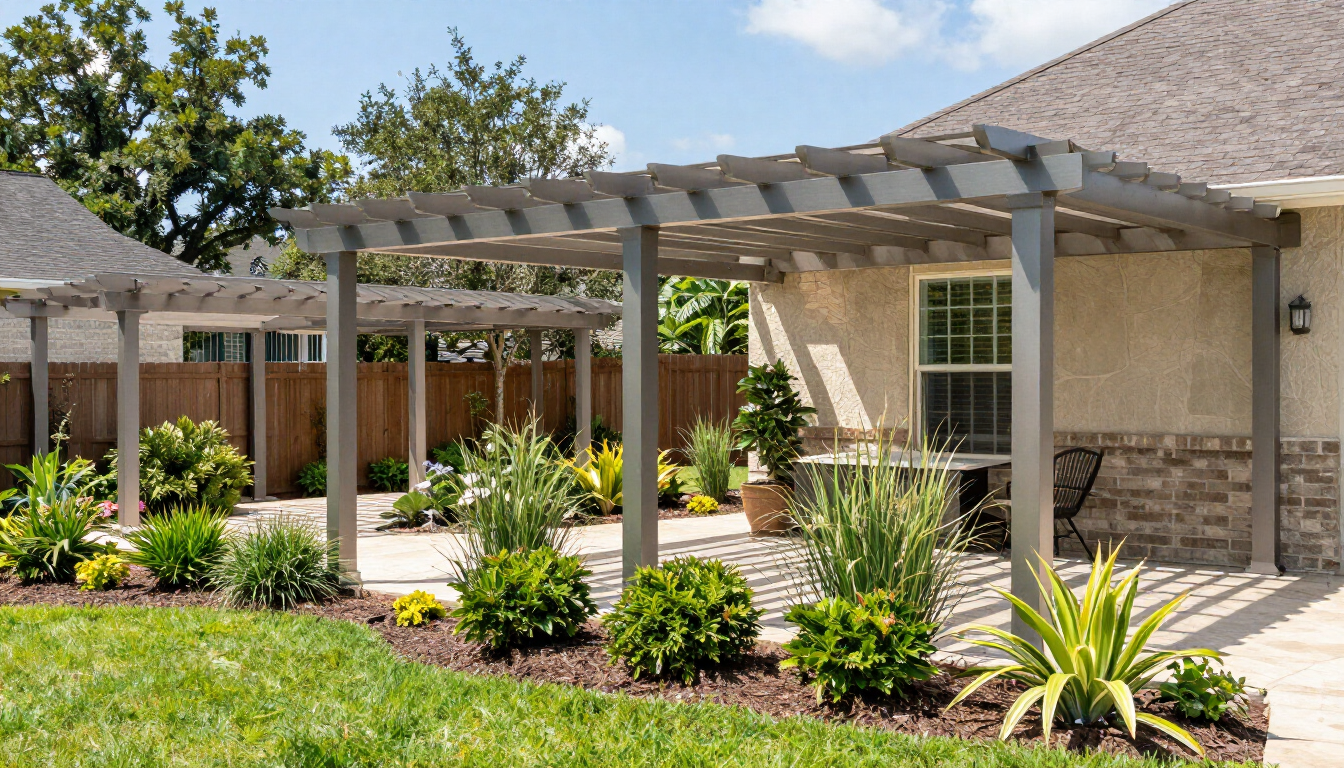
Aluminum pergola vs patio cover in a Houston backyard
By Brian Sonnier • November 1, 2026
Compare an aluminum pergola vs patio cover in Houston for shade, rain protection, cost, permits, and the best fit for your backyard.
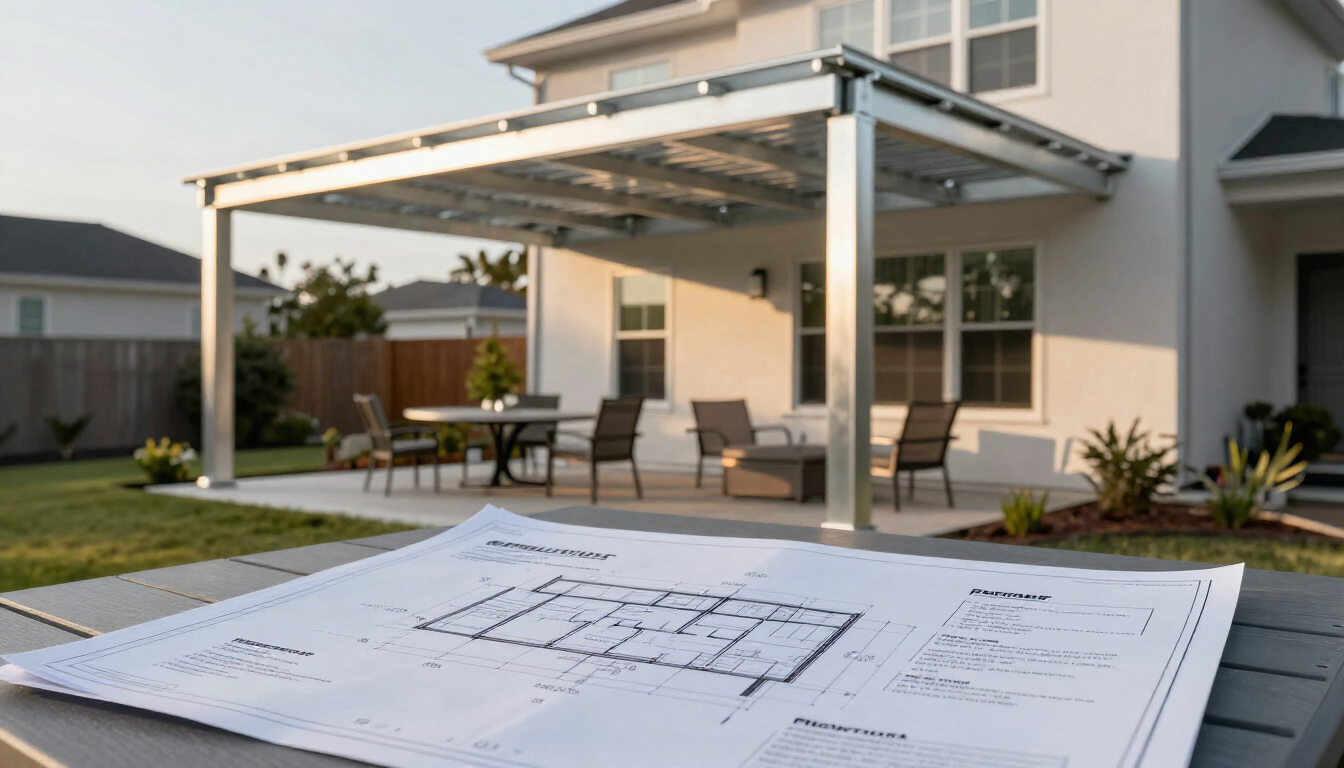
Patio cover permit plans for a Houston backyard
By Brian Sonnier • November 1, 2026
Learn who issues patio cover permits in Houston, Harris County, and Fort Bend County, what documents you need, how inspections work, and how to avoid delays.
Patio cover cost in Houston, TX
By Brian Sonnier • October 6, 2026
See estimated 2026 patio cover and screen enclosure costs in Houston, including aluminum, Alumawood, insulated panels, installation, permits, and add-ons.
Trusted patio builder Houston custom aluminum patio cover and screen enclosure
By Brian Sonnier • September 23, 2026
Learn what to look for in a trusted patio builder in Houston, from experience and materials to permits, warranties, project photos, and clear estimates.
Insulated aluminum roof panels on a Houston patio cover
By Brian Sonnier • September 23, 2026
Learn how insulated aluminum roof panels work, their benefits, costs, insulation value, and how to choose the right patio cover roofing for your Houston home.
Pergola design ideas for Texas heat with shaded outdoor seating
By Brian Sonnier • September 23, 2026
Explore practical pergola design ideas for Texas heat, including shade, airflow, materials, and layout tips for comfortable Houston-area outdoor living.
Building a patio cover in Houston to meet local building codes
By Brian Sonnier • September 23, 2026
Learn how to build a patio cover that meets Houston building codes, including permits, setbacks, wind loads, drainage, inspections, and contractor tips.

Show More