7 Steps to Prepare for Patio Cover Installation
Patio cover installation is easier when your home, yard, and schedule are ready before the crew arrives. Clear the work area, confirm access and project details, protect belongings, identify utilities, and plan for temporary noise and disruption. A short preparation checklist helps the installation move safely and efficiently.
What should you do before patio cover installation?
A few days before installation, walk through the project with your contractor and prepare the area. Use this quick checklist:
- Confirm the installation date, arrival window, and expected project duration.
- Remove outdoor furniture, grills, decorations, plants, and fragile items near the work area.
- Clear a path from the driveway or street to the patio.
- Make sure the crew can access exterior walls, posts, gates, and electrical areas.
- Tell the contractor about pets, irrigation lines, landscape lighting, or other concerns.
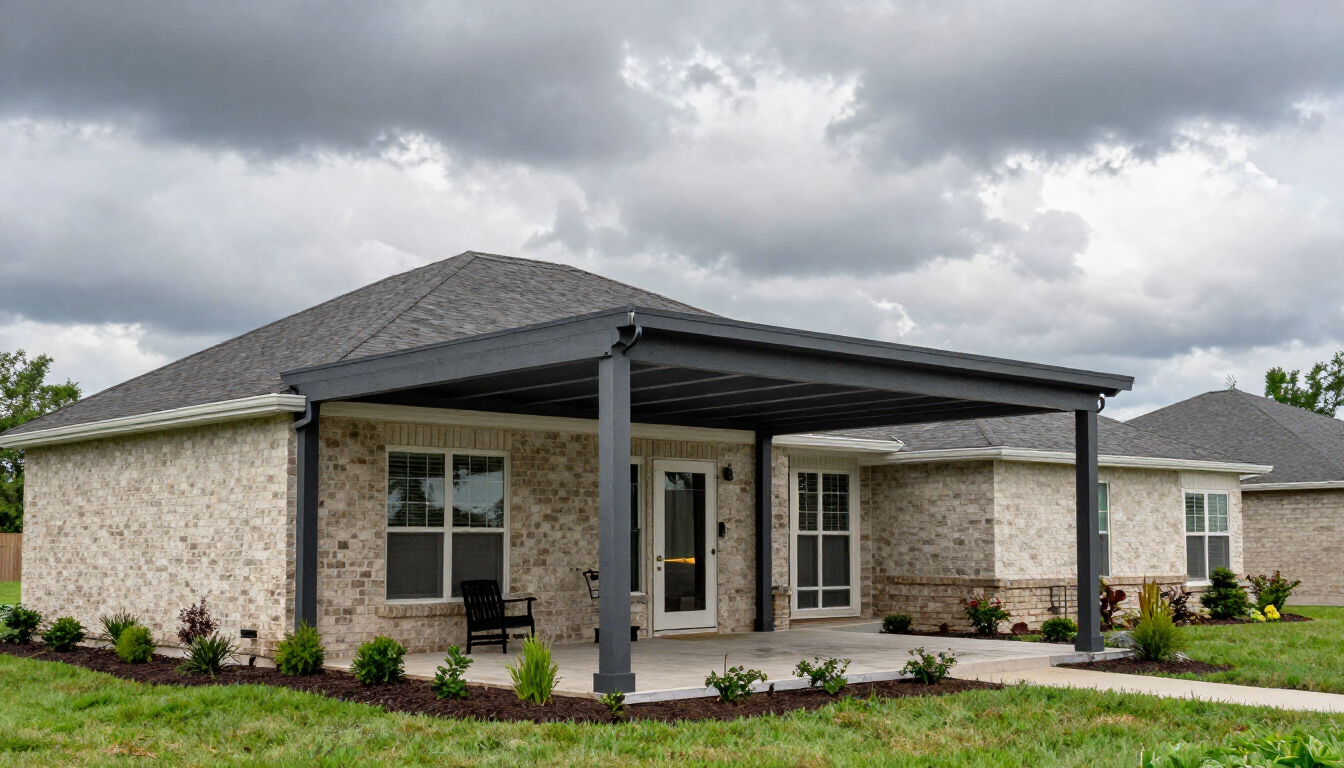
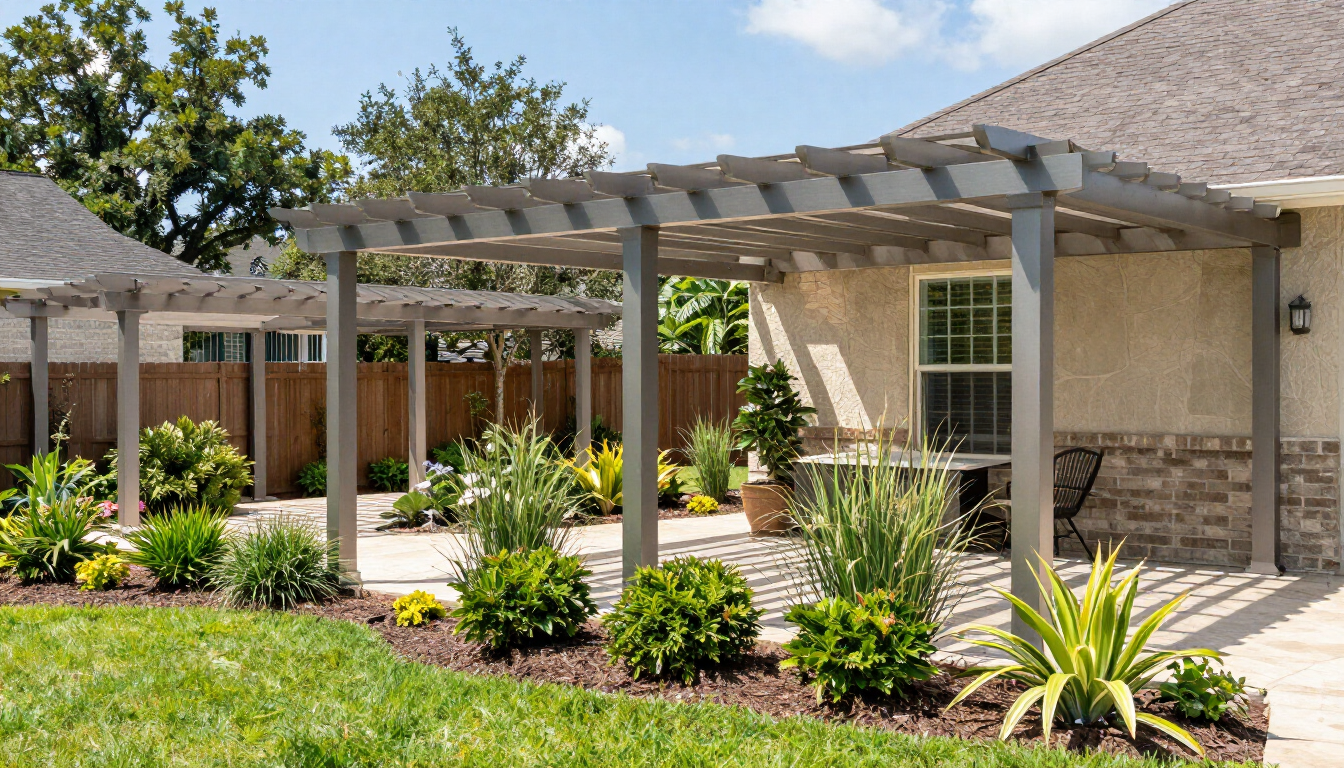
If you are still reviewing design options, compare the benefits of an aluminum patio cover with other patio cover options. Your final design affects preparation, access, and installation time.
How do you prepare the patio and yard?
Start by clearing everything that could slow down the crew or become damaged by dust, tools, or falling materials. Move patio furniture, potted plants, toys, umbrellas, firewood, decorations, and grills to a safe location. If an item cannot be moved, discuss it with the contractor before installation day.
Trim or relocate branches that interfere with the planned cover. Do not remove trees or major landscaping without professional advice; the crew can explain what must be moved and what can remain. Mark valuable plants or features you want protected.
Also check the ground around the work area. Remove loose rugs, hoses, garden tools, and clutter. A clean, stable surface gives installers more room to work and reduces trip hazards.
Create a clear access route
Installation materials may arrive in a truck or trailer and could include long aluminum components, posts, beams, ladders, and equipment. Unlock gates, clear driveways, and move vehicles that block access. If the crew must carry materials through your home, protect floors and walls in advance and confirm the route with the contractor.
For homes in the Greater Houston area, weather can change quickly. Keep the access route as dry and clear as possible, and ask whether rain could affect the planned start date.
What should you move or protect inside your home?
Most patio cover projects take place outdoors, but vibration, drilling, and foot traffic can still affect nearby rooms. Move delicate items away from interior walls shared with the patio. This includes framed art, mirrors, shelves, and breakable décor.
Close windows and doors near the work area during cutting or drilling. Cover outdoor kitchens, appliances, or stored items that cannot be relocated. If your patio connects directly to the home, place a mat near the entrance and keep a separate path for workers if necessary.
Let the installation team know about alarm systems, cameras, exterior outlets, hose bibs, vents, and lighting. These features may need to remain accessible or be coordinated with the new structure.
Do you need to plan for permits or utilities?
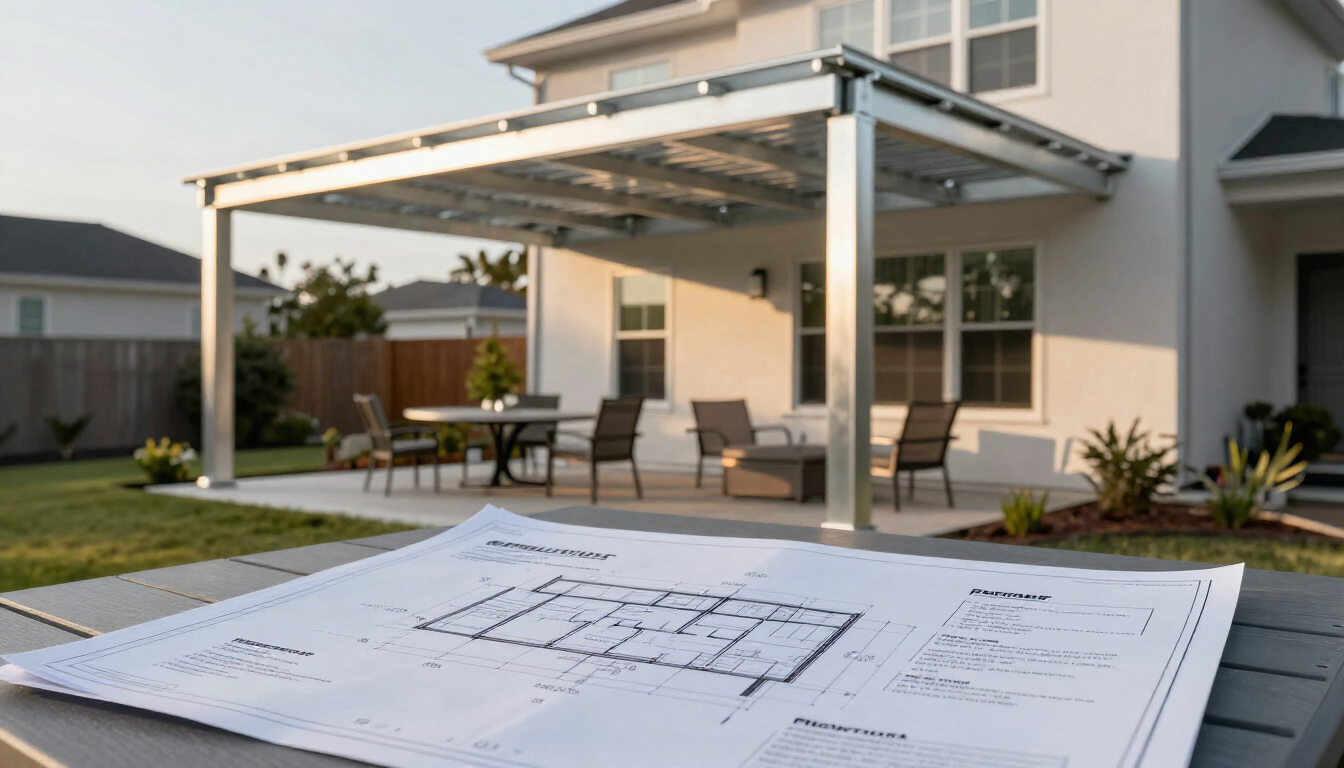
Your contractor should explain applicable permits, inspections, and property requirements before work begins. In many communities, patio covers must meet local building codes, setback rules, and structural requirements. Ask who is responsible for submitting permits and scheduling inspections.
Before digging for posts, identify irrigation, gas, electrical, plumbing, drainage, and communication lines. Provide any surveys, prior project drawings, or utility information you have. Never assume that an underground line is deep enough or located where you expect.
Ask these questions before installation day:
- Has the required permit been submitted or approved?
- Will the contractor arrange utility locating before digging?
- Are there HOA rules or approval requirements?
- Where will posts, footings, and drainage be placed?
- Will existing lights, outlets, fans, or gutters be affected?
You can also review a contractor’s services,projects, and testimonials to better understand the company’s experience and approach.
How should you prepare your family and pets?
Construction areas are not safe for children or pets. Plan to keep them away from ladders, tools, open footings, materials, and trucks. Dogs may react to unfamiliar workers and noise, so arrange indoor care, a secure room, or off-site boarding when appropriate.
Tell the crew about gates, pets, and any special access instructions. Keep children informed about boundaries before work begins, but do not allow them to enter the work zone to watch.
Installation may involve sawing, drilling, hammering, and other intermittent noise. If anyone in the household works from home, sleeps during the day, or is sensitive to noise, plan a quieter location or temporary alternative.
What happens on patio cover installation day?
The crew typically begins by reviewing the work area, confirming measurements, and protecting surfaces as needed. They may mark post locations, prepare footings, assemble structural components, and secure the cover to the home or supporting structure according to the approved design.
The exact sequence depends on the project. A straightforward aluminum cover may be completed relatively quickly, while projects involving concrete, electrical work, drainage changes, or unusual access can take longer.
A homeowner should be available at the start of the day—or designate someone who can answer questions. Keep your phone accessible and let the contractor know how to reach you. Avoid making design changes after materials have been cut or construction has started, because changes can affect cost and schedule.
Weather may also change the work plan. High winds, heavy rain, lightning, or saturated ground can create unsafe conditions. A short delay is usually better than asking a crew to work in hazardous weather.
Installation-day homeowner checklist
Before the crew arrives, verify that you have:
- Cleared the patio, driveway, gates, and access path.
- Relocated furniture, décor, plants, grills, and fragile items.
- Secured pets and made arrangements for children.
- Shared utility, irrigation, HOA, and access information.
- Confirmed the design, materials, color, schedule, and primary contact.
Keep the contract, approved plans, and contact information available. If questions arise, refer to the agreed scope rather than relying on memory.
What should you inspect after the work is complete?
When installation is finished, walk through the project with the contractor. Look at post locations, connections, fasteners, roof panels, flashing, gutters, drainage, and any included accessories. Confirm that doors, windows, lights, fans, and outlets operate as expected.
Ask how to clean and maintain the aluminum structure. Request information about warranties, inspections, touch-up materials, and whom to contact if an issue appears later. Take photographs for your records, especially of drainage and connections that may be difficult to see after furniture is returned.
Do not immediately load the space with furniture or hang accessories unless the contractor confirms that the structure is ready. Some concrete, sealants, or related work may need additional curing time.
Common questions about preparing for installation
Should I be home during patio cover installation?
It is helpful to be available at the beginning and end of the project, but you may not need to stay home all day. Arrange a trusted contact if you must leave, and make sure the crew can reach you for time-sensitive questions.
Can patio furniture stay under the existing patio?
Furniture should usually be moved away from active work, even if it is under an existing roof. Materials, dust, ladders, and foot traffic can damage or dirty items.
How long does preparation take?
Most homeowners can complete basic preparation in a few hours. More time may be needed to relocate heavy furniture, trim landscaping, coordinate HOA approval, or identify utility lines.
What if the forecast calls for rain?
Contact the contractor rather than assuming the project is canceled. The crew can explain whether the work can proceed safely or needs to be rescheduled.
Your next steps before installation
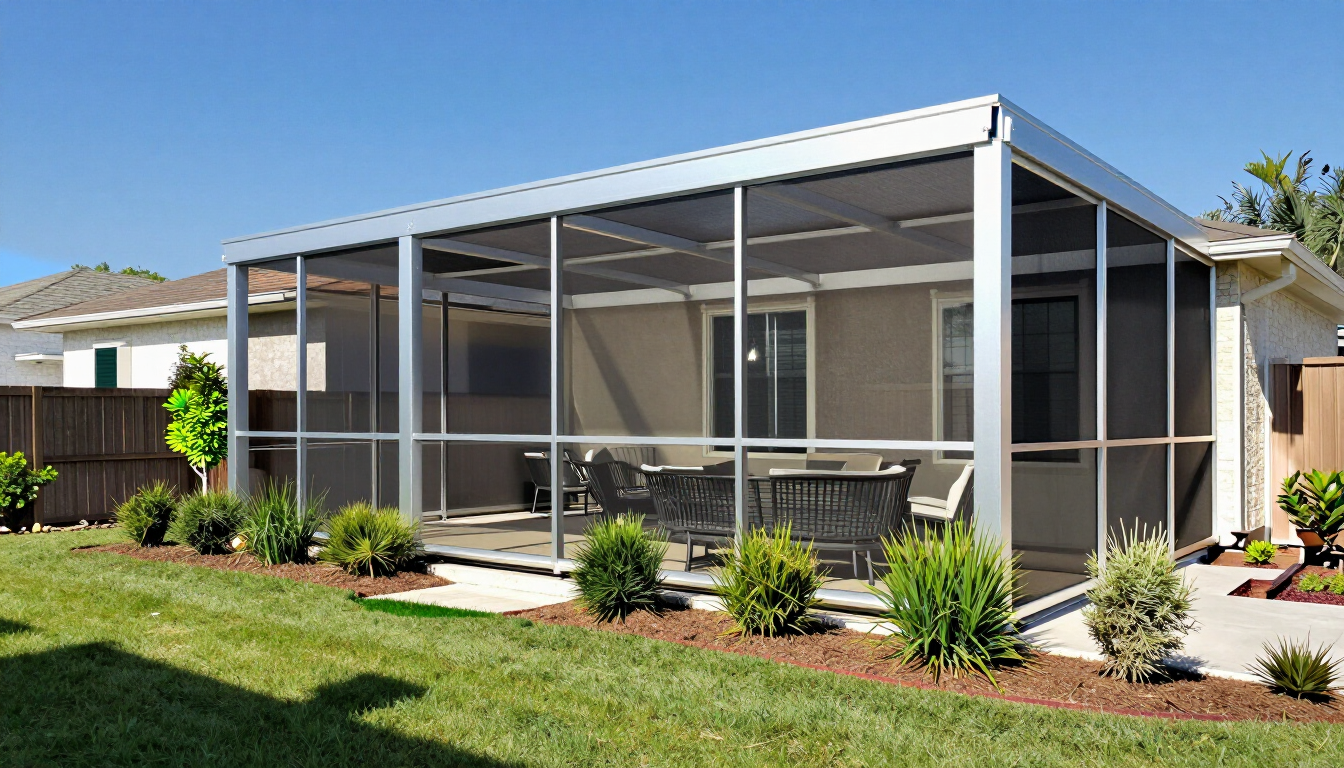
Preparing for patio cover installation mainly means creating a safe, accessible work area and confirming the project details. Clear the patio and driveway, protect nearby belongings, secure pets, review utilities and permits, and stay available for questions. Afterward, inspect the finished structure and learn its maintenance requirements before returning furniture. If you are ready to plan your outdoor space, explore Lone Star Patio Covers & Enclosures’ patio enclosures, pergolas, and project examples, then contact the team to discuss your Houston-area installation.