
Screen Room vs Patio Enclosure: Which Wins?

Brian Sonnier • September 23, 2026

A screen room vs patio enclosure comparison comes down to protection and intended use. A screen room uses mesh panels to keep insects out while preserving airflow and outdoor views. A patio enclosure creates a more controlled, weather-resistant living space with solid, glass, or screened walls. Your budget, comfort goals, and Houston climate should guide the choice.

What is the difference between a screen room and a patio enclosure?

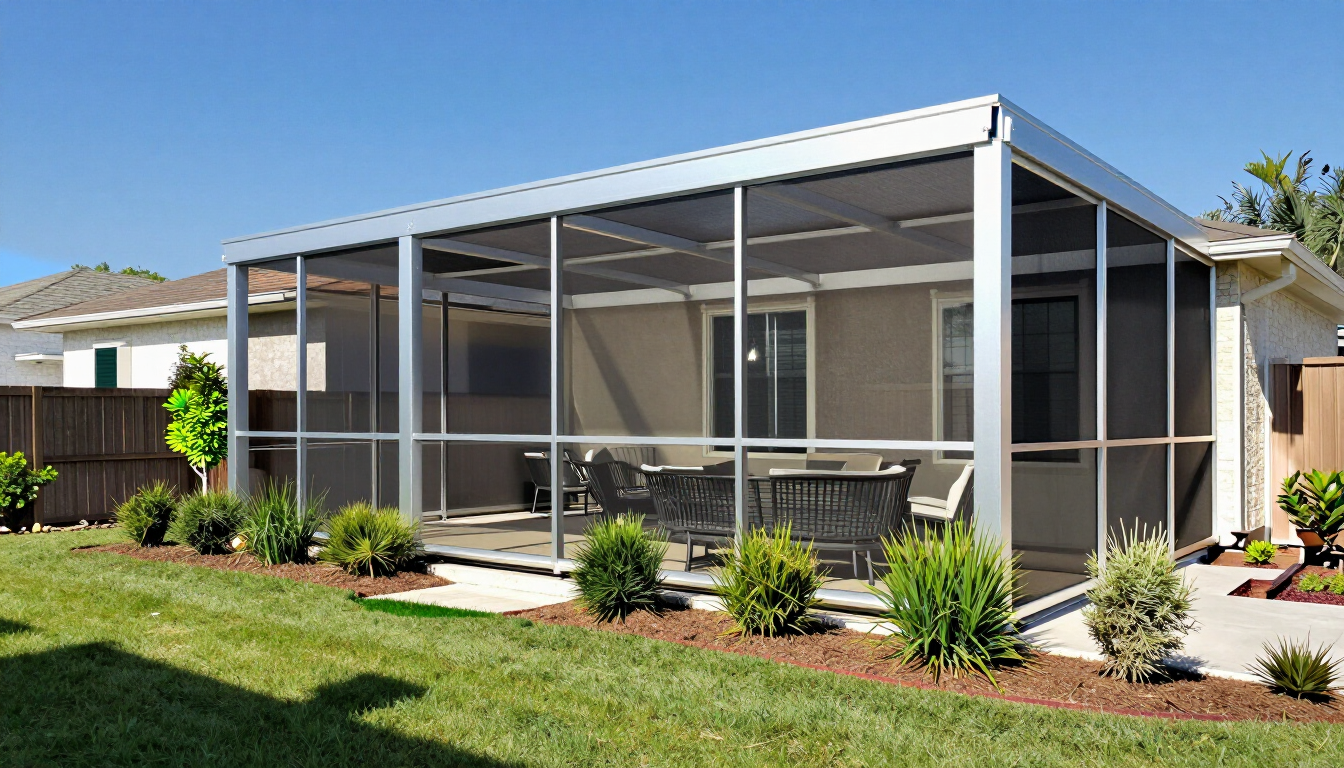
A screen room is an outdoor structure enclosed with mesh screening. It is designed to reduce mosquitoes, flies, and other pests without blocking breezes or the open-air feeling of a patio. Many homeowners use screen rooms for dining, relaxing, grilling, and entertaining during mild weather.

A patio enclosure is a broader category. It can include screened walls, vinyl windows, glass panels, aluminum framing, or a combination of materials. Depending on the design, a patio enclosure can provide more protection from rain, wind, heat, and pollen than a traditional screen room.

The terms are sometimes used interchangeably, but they do not always describe the same level of enclosure. A screen room prioritizes airflow and insect control. A more substantial patio enclosure prioritizes comfort, coverage, and year-round usability.

Screen room vs patio enclosure: Which offers better protection?

The answer depends on what you want to block. A screen room is effective against insects, leaves, and some debris while allowing air to move freely. It is an excellent choice when your biggest problem is mosquitoes or when you want a shaded outdoor retreat that still feels connected to the yard.

A patio enclosure generally offers greater protection because it can include tighter-fitting panels and more substantial walls. Some designs help limit rain, wind-driven debris, pollen, and temperature swings. Enclosures with windows or solid elements may also provide more privacy.

Here is a simple comparison:

  • Insects: Screen rooms provide strong protection when screens are properly installed and maintained.
  • Rain: A roof helps, but wind-driven rain can still enter a screen room; enclosed walls offer more coverage.
  • Wind: More solid enclosure materials typically perform better than mesh alone.
  • Pollen and dust: Tighter panels and closable windows can reduce what enters the space.
  • Privacy: Patio enclosures usually provide more privacy than open mesh screening.

For Greater Houston homeowners, this distinction matters. Warm temperatures, humid weather, heavy rain, and seasonal insects can make an outdoor area difficult to use. A screen room may solve the pest problem, while a more enclosed design may better support frequent use in changing weather.

Which option is more comfortable in Houston?

Comfort is highly personal, but airflow is often the deciding factor. Screen rooms allow natural breezes to pass through, making them pleasant during spring and fall. They also preserve the sounds, views, and feel of your backyard.

A patio enclosure can be more comfortable during rain, intense sun, or cooler evenings because it creates a stronger barrier between the living area and the weather. Depending on the materials and design, it may also support fans, lighting, furniture, and other features that make the space feel like an extension of the home.

The trade-off is that a tighter enclosure can feel warmer or less open without thoughtful ventilation and shading. Before choosing, consider when you normally use the patio:

  1. If you mainly relax outdoors on mild evenings, a screen room may provide all the comfort you need.
  2. If you want to use the space during rain or windy conditions, consider a more enclosed design.
  3. If summer heat is your biggest concern, prioritize shade, airflow, roof design, and ventilation.
  4. If you want a semi-indoor room for dining or lounging, discuss windows, doors, and electrical features with your contractor.

Cost and value considerations

The cost of a screen room or patio enclosure varies based on size, roof structure, foundation, materials, access, permits, doors, windows, and site preparation. A straightforward screen room is often less expensive than a fully enclosed patio because mesh panels require fewer materials and systems.

However, the lowest initial price is not always the best value. Think about how often you will use the space, what furniture or equipment it will protect, and whether you expect to upgrade it later. A properly designed enclosure may provide more usable square footage and greater day-to-day value.

When comparing estimates, ask whether each proposal includes:

  • Structural framing and roof work
  • Screening, windows, or solid wall materials
  • Doors, hardware, and transitions
  • Concrete, drainage, or surface preparation
  • Electrical, lighting, or ceiling fan provisions
  • Permitting, cleanup, and warranty details

It is also useful to compare the scope rather than comparing only the total price. Two quotes can look very different because one includes upgraded screening, better drainage, stronger framing, or more complete finishing work.

For more information about outdoor additions, explore Lone Star’s patio enclosures and broader services.

How do maintenance needs compare?

Both options need routine care, especially in a humid climate. Screen rooms typically require periodic screen cleaning, frame washing, and inspection for tears or loose spline. Tree branches, pets, storms, and everyday wear can damage mesh panels over time.

Patio enclosures may require more components to maintain. Windows need cleaning, seals should be checked, and doors may need adjustment. If the enclosure includes solid panels or specialized finishes, follow the manufacturer’s cleaning recommendations to avoid damage.

A basic maintenance routine includes:

  • Rinse dust and pollen from frames and screens with clean water.
  • Use a soft brush and mild soap instead of abrasive cleaners.
  • Check corners, fasteners, door closers, and screen edges after major storms.
  • Trim branches that rub against the roof or walls.
  • Report small tears or water issues before they become larger repairs.

Good drainage is especially important. Gutters, downspouts, roof slopes, and the surrounding grade should direct water away from the structure and foundation. A professional installation should account for how rain moves across your property.

Which design is better for entertaining?

A screen room is a natural fit for casual outdoor entertaining. Guests can enjoy fresh air without dealing with as many insects, and the open design makes it easy to connect the patio with the yard. It works well for afternoon meals, game nights, and relaxed gatherings.

A patio enclosure may be the better choice if you host frequently or want more control over the setting. More protected walls can help keep furniture dry and make the space more usable when weather changes unexpectedly. Doors, lighting, ceiling fans, and electrical outlets can further improve the experience.

Consider the layout before selecting materials. Leave enough room for traffic around tables and seating. Position doors where they will not conflict with furniture. Think about views, afternoon sun, grilling locations, and access from the kitchen or living room.

You can also review completed outdoor projects in the company’s projects gallery or see ideas for related aluminum patio covers.

Screen room or patio enclosure: How should you choose?

Start with your primary problem rather than a product name. If mosquitoes prevent you from enjoying the patio, screening may be the most practical solution. If rain, wind, pollen, or temperature changes are the main obstacles, a more substantial enclosure may be worthwhile.

Use these questions to narrow the decision:

  • How many months of the year do you want to use the space?
  • Do you prefer maximum airflow or greater weather protection?
  • Will the space hold dining furniture, a television, or outdoor appliances?
  • Do you need privacy from neighboring homes?
  • How important are low maintenance and easy cleaning?
  • Does the existing patio, roof, or foundation need repairs first?

Local conditions and property layout should also influence the design. A contractor familiar with the Greater Houston area can evaluate sun exposure, drainage, wind, existing structures, and neighborhood requirements before recommending a solution.

Common questions homeowners ask

Is a screen room considered a patio enclosure?

Usually, yes. A screen room is one type of patio enclosure, but patio enclosures can also use glass, windows, vinyl panels, aluminum components, or solid walls. Confirm exactly what a contractor means by “enclosure” before comparing proposals.

Can a screen room keep rain out?

A roof can block rain falling from above, but wind-driven rain may enter through the screens. Roof overhangs, gutters, orientation, and site conditions can improve performance, but a screen room is not designed to be completely weatherproof.

Is a patio enclosure worth it?

It can be worth it when you will use the area often and need more protection than screening provides. The value depends on construction quality, design, maintenance, and how well the enclosure matches your household’s routines.

Can an existing patio be enclosed?

Often, an existing patio can serve as the starting point, but its slab, roof, posts, drainage, and attachment points need to be evaluated. A site consultation can identify structural or water-management work before construction begins.

Family relaxing in a finished screened patio enclosure with comfortable outdoor furniture

The practical takeaway

A screen room is usually the right choice when you want airflow, insect control, and an open backyard feel at a lower level of enclosure. A patio enclosure is better when you want stronger protection from rain, wind, pollen, heat, or changing temperatures. Compare materials, drainage, maintenance, included features, and expected use—not just the starting price. If you are still deciding, review patio cover options and contact Lone Star Patio Covers & Enclosures for a project evaluation in the Greater Houston area.

Recent Posts

Aluminum patio cover and screen enclosure in The Woodlands, TX
By Brian Sonnier • November 1, 2026
See how a The Woodlands homeowner combined an aluminum patio cover and screen enclosure for shade, comfort, and low-maintenance outdoor living with Lone Star Patio Covers & Enclosures.
Hurricane wind ratings for an aluminum patio cover in Houston
By Brian Sonnier • November 1, 2026
Learn how hurricane wind ratings, engineering, hail, and heavy rain affect aluminum patio covers in Houston—and what to ask your contractor before building.
Aluminum patio cover in a Houston backyard
By Brian Sonnier • November 1, 2026
Compare patio cover financing options and learn what warranties typically cover, from materials and paint finish to workmanship, before hiring a Houston contractor.
Aluminum pergola vs patio cover in a Houston backyard
By Brian Sonnier • November 1, 2026
Compare an aluminum pergola vs patio cover in Houston for shade, rain protection, cost, permits, and the best fit for your backyard.
Patio cover permit plans for a Houston backyard
By Brian Sonnier • November 1, 2026
Learn who issues patio cover permits in Houston, Harris County, and Fort Bend County, what documents you need, how inspections work, and how to avoid delays.
Patio cover cost in Houston, TX
By Brian Sonnier • October 6, 2026
See estimated 2026 patio cover and screen enclosure costs in Houston, including aluminum, Alumawood, insulated panels, installation, permits, and add-ons.
Trusted patio builder Houston custom aluminum patio cover and screen enclosure
By Brian Sonnier • September 23, 2026
Learn what to look for in a trusted patio builder in Houston, from experience and materials to permits, warranties, project photos, and clear estimates.
Insulated aluminum roof panels on a Houston patio cover
By Brian Sonnier • September 23, 2026
Learn how insulated aluminum roof panels work, their benefits, costs, insulation value, and how to choose the right patio cover roofing for your Houston home.
Pergola design ideas for Texas heat with shaded outdoor seating
By Brian Sonnier • September 23, 2026
Explore practical pergola design ideas for Texas heat, including shade, airflow, materials, and layout tips for comfortable Houston-area outdoor living.
Building a patio cover in Houston to meet local building codes
By Brian Sonnier • September 23, 2026
Learn how to build a patio cover that meets Houston building codes, including permits, setbacks, wind loads, drainage, inspections, and contractor tips.

Show More