
How to Bond an Aluminum Patio Cover by a Pool

Brian Sonnier • September 23, 2026

Electrical bonding is the process of connecting conductive metal parts, such as an aluminum patio cover, to the pool’s equipotential bonding system. Near a swimming pool, proper bonding helps reduce dangerous voltage differences and electrical shock risk. It should be planned and verified by qualified professionals before construction is completed.

Why Is Electrical Bonding Important Near a Pool?

Water and electricity are a serious combination. A person standing in or near a swimming pool can become part of an electrical path if nearby metal components have different electrical potentials. Even a small voltage difference may create a hazardous current through the body.

An aluminum patio cover can introduce a large, conductive metal structure into the pool environment. The cover itself does not create an electrical hazard simply because it is made of aluminum. The concern is whether it is properly connected to the surrounding bonding network and whether all electrical work complies with applicable requirements.

Electrical bonding helps bring conductive parts to approximately the same electrical potential. It is not the same as grounding, although both are important parts of an overall electrical safety system.

For homeowners planning a poolside structure, bonding should be discussed during the design stage—not treated as an afterthought once the patio cover is installed.

What Does an Aluminum Patio Cover Need to Be Bonded To?

The exact requirements depend on the project, local regulations, the pool equipment, and the structure’s location. A qualified electrician or other properly licensed professional may evaluate connections between relevant conductive components, such as:

  • The pool’s existing equipotential bonding grid
  • Pool equipment and associated metal components
  • Metal handrails, ladders, diving structures, or fencing
  • Metal reinforcing elements where applicable
  • The aluminum patio cover and its structural components
  • Other nearby conductive metal parts within the required pool bonding area

Not every project uses the same connection method. The professional completing the evaluation should determine where bonding is required, what conductor or approved fittings are appropriate, and how continuity will be tested.

Never assume that attaching a wire to a convenient screw, fence post, pool pump, or patio-cover support automatically creates a compliant connection. Bonding connections must be secure, electrically continuous, protected from damage, and installed according to applicable requirements.

Bonding Versus Grounding: What Is the Difference?

Bonding and grounding work together, but they serve different purposes.

  • Bonding connects conductive metal parts so they remain at a similar electrical potential.
  • Grounding provides a path for electrical fault current to return to the source or earth through the electrical system, depending on the application.

A bonded aluminum patio cover is not necessarily grounded correctly, and a grounded structure is not necessarily bonded correctly. Pool-area projects require careful coordination because the goal is to reduce voltage differences around people who may be wet or in contact with the water.

That is why a patio-cover contractor, electrician, pool professional, and building department may all have a role in the project. The right answer depends on the site—not on a generic installation shortcut.

When Should Bonding Be Planned?

The best time to plan electrical bonding is before excavation, footings, concrete, and patio-cover installation begin. Early planning makes it easier to coordinate the aluminum structure with the pool’s existing electrical and bonding systems.

Before construction, ask your contractor to confirm:

  1. Whether the proposed patio cover is within the applicable pool bonding zone.
  2. Whether an existing bonding system can be accessed and tested.
  3. Which professional will complete or approve the electrical bonding work.
  4. How connections will be protected from corrosion and physical damage.
  5. Whether inspections or permits are required for the project.

This planning is especially useful when a cover is being installed over an existing pool deck. Concrete, tile, landscaping, and finished surfaces can make later access difficult and expensive.

If you are comparing structure options, review Lone Star’s aluminum patio cover options andpatio cover services early in the process. A design consultation can help identify coordination questions before installation begins.

How Is an Aluminum Patio Cover Bonded Near a Pool?

A typical process may include the following steps, although the exact work must be determined for the individual site:

  1. Review the structure and pool layout. The professional identifies the patio cover’s location, metal components, pool equipment, and nearby conductive items.
  2. Locate the existing bonding system. The pool’s bonding network and accessible connection points are evaluated.
  3. Select approved materials and connection points. Conductors, lugs, clamps, and fittings must be suitable for the environment and installed as required.
  4. Create secure electrical connections. The aluminum structure or required conductive components are connected to the bonding system using approved methods.
  5. Protect the installation. Connections should be protected against corrosion, weather, impact, and accidental disconnection.
  6. Test continuity and complete inspection. A qualified professional verifies that the bonding path is continuous and addresses any inspection requirements.

The visible result may be subtle. A finished patio cover should not have loose, exposed, or improvised wires running across walkways. Much of the work is coordinated during construction so the completed project remains clean and functional.

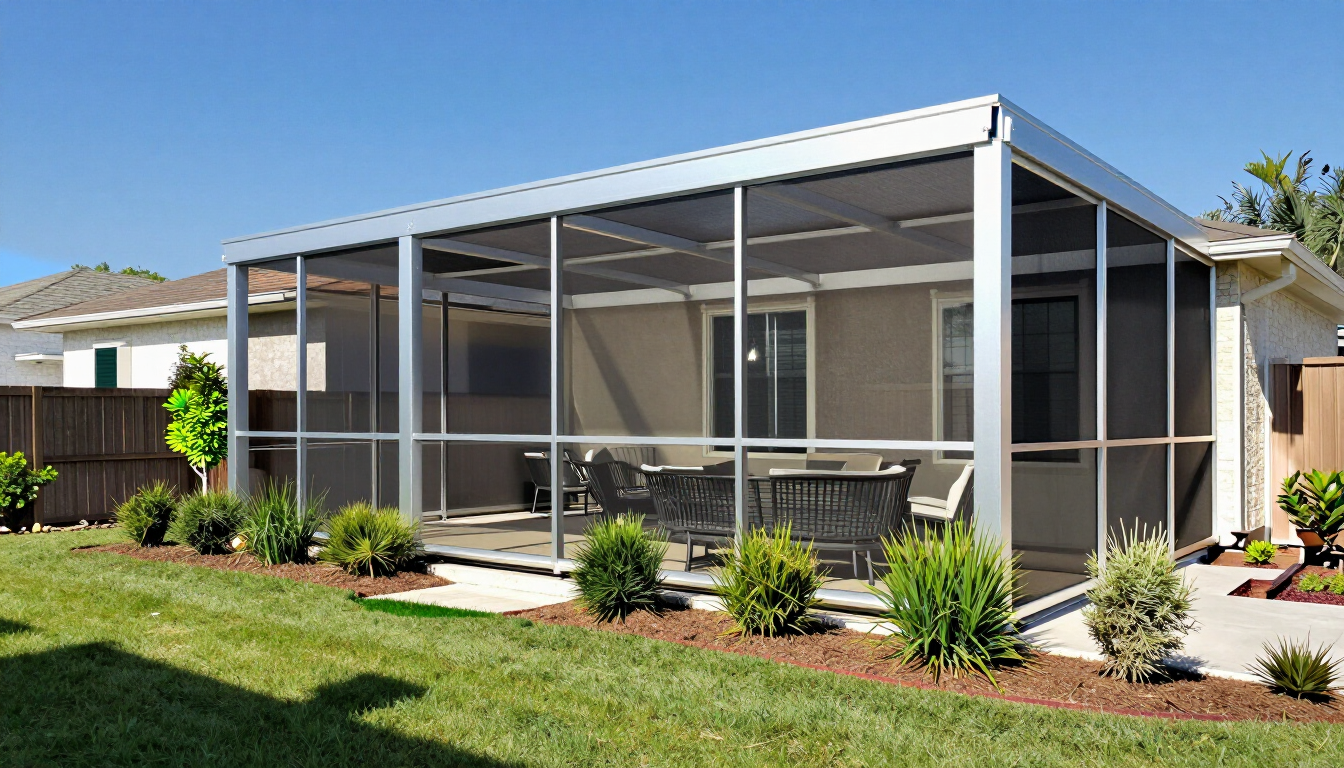
Photorealistic electrician testing electrical continuity on an aluminum patio cover beside a backyard pool

Who Should Perform Poolside Electrical Bonding?

Electrical bonding should be evaluated and completed by a qualified electrical professional familiar with swimming-pool safety requirements and local rules. A patio-cover installer can coordinate the structure and construction details, but homeowners should not expect a general construction crew to make electrical decisions outside its qualifications.

When interviewing a contractor, ask:

  • Who is responsible for the bonding evaluation?
  • Will the work be completed by a qualified electrician?
  • Can you provide documentation of testing or inspection?
  • How will the bonding connection be protected from corrosion?
  • Will the installation coordinate with the pool builder or service professional?

In Greater Houston, requirements and inspection practices can vary by jurisdiction. Homeowners in Katy, Cypress, The Woodlands, Spring, Richmond, and nearby communities should confirm requirements with the appropriate local authority and licensed professionals.

For background on the company’s experience, visit About Lone Star Patio Covers & Enclosures , or browse recent projects to see examples of outdoor structures.

What Mistakes Should Homeowners Avoid?

The most common problems occur when safety coordination happens too late. Avoid these mistakes:

  • Assuming aluminum is nonconductive or cannot create a bonding concern
  • Treating grounding and bonding as interchangeable terms
  • Waiting until after concrete is poured to discuss connection access
  • Using an improvised clamp, screw, or unapproved fastener
  • Covering or burying connections before they are inspected or tested

Homeowners should also avoid copying a solution from another property. Two pool areas may look similar but have different equipment, deck construction, electrical systems, distances, and local requirements.

A professional assessment is usually less costly than correcting concealed work after the patio cover, concrete, or landscaping is complete.

Frequently Asked Questions

Does every aluminum patio cover beside a pool need bonding?

Not necessarily in the same way. The requirement depends on the structure’s location, design, relationship to the pool, existing bonding system, and applicable local rules. A qualified professional should evaluate the project rather than relying on a blanket answer.

Can a patio-cover installer bond the structure?

Some contractors coordinate bonding, but electrical work should be performed or approved by a qualified professional authorized to do it. Ask who will take responsibility for the electrical portion before signing a contract.

Is electrical bonding required for a pergola near a pool?

A metal pergola may raise similar questions because it can contain conductive structural components. The answer depends on its material, location, and relationship to the pool and other metal parts. Review the design with your contractor and electrician.

Can bonding be added after the patio cover is built?

It may be possible, but access can be more difficult after concrete, finishes, and landscaping are installed. Planning before construction generally makes the work simpler, cleaner, and easier to verify.

Key Takeaways for Poolside Patio Covers

Electrical bonding is an important safety consideration when building an aluminum patio cover near a swimming pool. It helps reduce potentially dangerous voltage differences between conductive metal parts and the pool environment, but it must be designed for the specific property. Bonding is different from grounding, and neither should be improvised. Discuss the project before construction begins, coordinate the patio-cover installer with a qualified electrical professional, and confirm testing and inspection requirements. If you are ready to compare designs, review Lone Star’s aluminum patio covers or contact the team before work starts.

Recent Posts

Aluminum patio cover and screen enclosure in The Woodlands, TX
By Brian Sonnier • November 1, 2026
See how a The Woodlands homeowner combined an aluminum patio cover and screen enclosure for shade, comfort, and low-maintenance outdoor living with Lone Star Patio Covers & Enclosures.
Hurricane wind ratings for an aluminum patio cover in Houston
By Brian Sonnier • November 1, 2026
Learn how hurricane wind ratings, engineering, hail, and heavy rain affect aluminum patio covers in Houston—and what to ask your contractor before building.
Aluminum patio cover in a Houston backyard
By Brian Sonnier • November 1, 2026
Compare patio cover financing options and learn what warranties typically cover, from materials and paint finish to workmanship, before hiring a Houston contractor.
Aluminum pergola vs patio cover in a Houston backyard
By Brian Sonnier • November 1, 2026
Compare an aluminum pergola vs patio cover in Houston for shade, rain protection, cost, permits, and the best fit for your backyard.
Patio cover permit plans for a Houston backyard
By Brian Sonnier • November 1, 2026
Learn who issues patio cover permits in Houston, Harris County, and Fort Bend County, what documents you need, how inspections work, and how to avoid delays.
Patio cover cost in Houston, TX
By Brian Sonnier • October 6, 2026
See estimated 2026 patio cover and screen enclosure costs in Houston, including aluminum, Alumawood, insulated panels, installation, permits, and add-ons.
Trusted patio builder Houston custom aluminum patio cover and screen enclosure
By Brian Sonnier • September 23, 2026
Learn what to look for in a trusted patio builder in Houston, from experience and materials to permits, warranties, project photos, and clear estimates.
Insulated aluminum roof panels on a Houston patio cover
By Brian Sonnier • September 23, 2026
Learn how insulated aluminum roof panels work, their benefits, costs, insulation value, and how to choose the right patio cover roofing for your Houston home.
Pergola design ideas for Texas heat with shaded outdoor seating
By Brian Sonnier • September 23, 2026
Explore practical pergola design ideas for Texas heat, including shade, airflow, materials, and layout tips for comfortable Houston-area outdoor living.
Building a patio cover in Houston to meet local building codes
By Brian Sonnier • September 23, 2026
Learn how to build a patio cover that meets Houston building codes, including permits, setbacks, wind loads, drainage, inspections, and contractor tips.

Show More