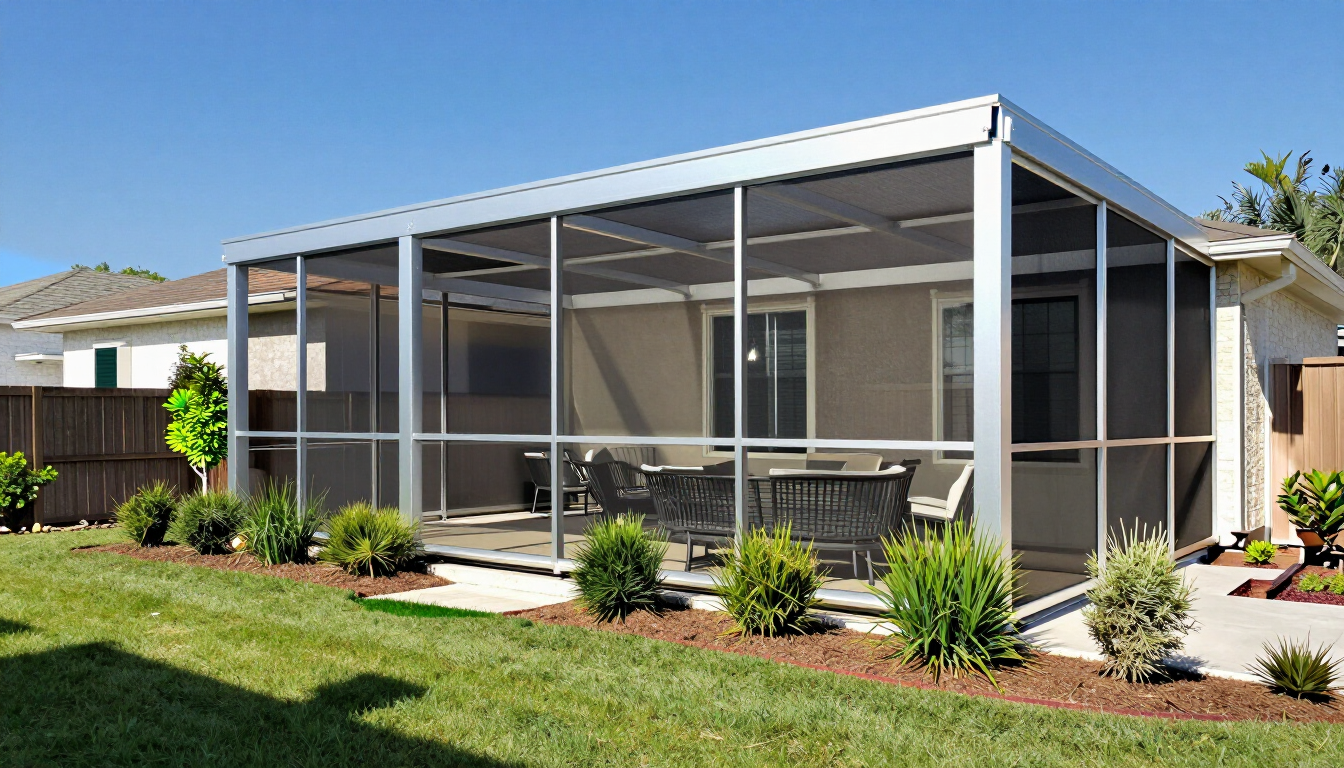
7 Screen Enclosure Trends for Better Patios
Screen enclosure trends are making outdoor patios more comfortable, attractive, and useful throughout the year. The newest designs include panoramic screening, motorized shades, integrated lighting, pet-friendly mesh, and flexible entertaining zones. For Houston-area homeowners, the best screen enclosure combines insect protection, airflow, weather resistance, privacy, and a style that complements the home.
What are the newest screen enclosure trends?
Today’s patio screening is no longer limited to a basic screened porch. Homeowners are choosing enclosures that feel more like an outdoor room, with cleaner lines, stronger materials, and features that make the space easier to use.
The most popular screen enclosure trends include:
- Panoramic and low-visibility screening
- Motorized shades and retractable screens
- Integrated lighting, fans, and electrical features
- Pet-resistant and high-performance mesh
- Multi-use outdoor living spaces
These ideas can be combined or adapted to fit your patio, budget, home design, and preferred level of maintenance.
1. Panoramic screens create an open-air feel
One of the biggest patio enclosure trends is the use of wide, uninterrupted screen panels. Panoramic screening minimizes vertical supports and gives homeowners a clearer view of the yard, pool, garden, or surrounding landscape.
This design works especially well when the patio faces a scenic backyard. It also helps a screened enclosure feel less like a separate room and more like a natural extension of the home.
When evaluating panoramic designs, consider:
- The direction of afternoon sun
- The location of existing posts and beams
- Wind exposure around the home
- The view you want to preserve
- Access points for furniture and entertaining
A professional installer can help balance visibility with structural needs. A wide-open appearance should still provide dependable performance during Houston’s heat, humidity, rain, and seasonal storms.
2. Are retractable screens right for an outdoor patio?
Retractable screens are increasingly popular because they give homeowners more control over how the patio is used. Screens can be lowered for insect protection and raised when you want an unobstructed view or a more open connection to the yard.
They are a practical choice for patios that serve several purposes. A family might enjoy an open patio during mild weather, then close the screens during mosquito season or an evening gathering.
Retractable systems can be manual or motorized. Motorized options may be operated with a wall switch, remote, or smart-home control, depending on the system. Before choosing one, ask about:
- Screen storage and protection when retracted
- Motor and control options
- Repair and maintenance access
- Compatibility with the patio’s existing structure
- Warranty coverage
Retractable screening may not be ideal for every opening or exposure. It is worth comparing the convenience with the upfront cost and long-term service requirements.
Smarter shade and climate control
3. Motorized shades improve comfort
Screening helps block insects, but it does not automatically solve glare, heat, or privacy concerns. That is why motorized solar shades are appearing more often alongside patio screens.
Solar shades can reduce direct sunlight while preserving some outward visibility. Depending on the fabric, they may also provide more privacy during the day and help the patio stay cooler.
A shade system is particularly useful on west-facing patios, where low afternoon sun can make outdoor seating uncomfortable. Homeowners should compare openness factors, color choices, UV protection, and how much visibility they want to retain.
4. Ceiling fans and lighting make patios usable after dark
The newest screen room ideas focus on how the space functions at different times of day. Ceiling fans improve air movement, while layered lighting makes the enclosure more inviting after sunset.
Common lighting options include:
- Recessed lights for general illumination
- Pendant fixtures above dining areas
- Wall sconces near doors
- Low-voltage accent lighting
- Under-counter lighting for outdoor kitchens
Lighting should be planned before construction whenever possible. Electrical placement, fan support, switches, and fixture locations are easier to coordinate at the beginning than after the enclosure is complete.
5. Pet-friendly mesh protects more than people
Pet-resistant screen is another growing trend for active households. Standard mesh can be damaged by claws, jumping, or repeated contact near doors. Stronger pet-resistant materials can help protect vulnerable lower sections of the enclosure.
This option is useful for homeowners who want dogs or cats to enjoy the patio without creating constant repair concerns. It can also be helpful in high-traffic areas where children, toys, or furniture may come into contact with the screen.
Pet-friendly screening does not replace supervision or a secure gate. However, it can make the enclosure more durable for everyday family life. Ask whether the selected material is designed for pets, how it differs visually from standard mesh, and whether it can be replaced in individual sections if damage occurs.
6. How can a screen enclosure add privacy?
Many homeowners want an outdoor patio that feels comfortable without being completely exposed to nearby homes. Privacy-focused screening can help create that feeling while preserving airflow and natural light.
Several design choices may improve privacy:
- Solar mesh with a tighter weave
- Strategic shade panels on selected sides
- Landscaping near the enclosure perimeter
- Privacy screens around seating or dining zones
- Thoughtful furniture placement
Privacy is usually strongest during the day when the brighter exterior is outside the enclosure. At night, interior lighting can make the patio more visible from outdoors. For that reason, privacy planning should include lighting placement, curtains, landscaping, and the direction of neighboring views.
7. Aluminum frames remain a leading choice
Aluminum continues to be a popular material for patio enclosures because it is lightweight, durable, and resistant to many common outdoor problems. It can also be finished in colors that coordinate with the home’s trim, roof, windows, or existing patio cover.
For Greater Houston homeowners, material selection matters because outdoor structures face intense sun, moisture, humidity, wind, and temperature changes. A well-designed aluminum enclosure can offer a clean appearance without the recurring painting and upkeep associated with some other materials.
Explore aluminum patio covers if you are also considering overhead protection, or review available patio cover options before deciding how the enclosure should connect to the rest of the outdoor space.
8. Seamless indoor-outdoor transitions are growing
A screen enclosure feels more intentional when it connects naturally with the home. Matching colors, flooring, trim, rooflines, and door styles can make the patio look like part of the original architecture rather than an add-on.
Some homeowners use the enclosure as a transition between an indoor living room and a larger backyard. Others connect it to a pool deck, outdoor kitchen, pergola, or covered dining area.
The goal is not necessarily to copy every indoor finish. Instead, choose a consistent visual language. Similar colors and proportions often matter more than using identical materials everywhere.
Which screen enclosure features should you prioritize?
Start with how you actually use the patio. A homeowner who hosts dinners may prioritize lighting, fans, and wide access doors. A family with pets may focus on durable mesh and secure entry points. Someone who wants a flexible space may prefer retractable screens.
Use this simple planning checklist:
- Identify the main problems: insects, heat, glare, privacy, or rain.
- Decide whether the patio should be permanently screened or flexible.
- Choose frame colors and materials that complement the home.
- Plan furniture, lighting, fans, and electrical needs together.
- Compare installation quality, warranties, and long-term maintenance.
You can browse patio enclosure projects for design inspiration or learn more about patio enclosures before requesting an estimate.
How much maintenance does a screened patio require?
Maintenance is generally straightforward, but regular care helps preserve appearance and performance. Remove leaves and debris from frames, clean screens gently with mild soap and water, and inspect doors for alignment or worn hardware.
Avoid harsh chemicals, abrasive brushes, and high-pressure spray directly against mesh. These can weaken fibers, damage finishes, or force debris into the screen.
After severe weather, inspect the enclosure for loose fasteners, damaged mesh, bent components, or water-management issues. Addressing small problems early can help prevent more extensive repairs.
Frequently asked questions
Are screen enclosures worth it in Houston?
They can be valuable for homeowners who want to spend more time outdoors while reducing insects and improving comfort. The right design should account for heat, humidity, rain, airflow, sun exposure, and local weather conditions.
Can a screened patio be used year-round?
A screen enclosure can extend the usable season, but it is not the same as a fully conditioned room. Fans, lighting, shades, furniture, and outdoor heaters may improve comfort during different seasons.
Can screens be added to an existing patio cover?
Often, yes. The existing structure must be evaluated for attachment points, dimensions, condition, drainage, and local requirements. A professional assessment can determine whether the patio cover is suitable for screening.
The best next step for your patio
The newest screen enclosure trends focus on comfort, flexibility, durability, and a stronger connection to the outdoors. Panoramic mesh can preserve views, retractable systems can provide control, and features such as fans, lighting, shades, and pet-resistant materials can make the patio more useful every day.
Begin by identifying your biggest concern and how your household uses the space. Then compare permanent and retractable screening, material options, privacy needs, and future features. For Houston-area homeowners, a thoughtful design and experienced installation are just as important as the trend itself. Review Lone Star Patio Covers & Enclosures’ services, then take the next step toward a more comfortable outdoor patio.