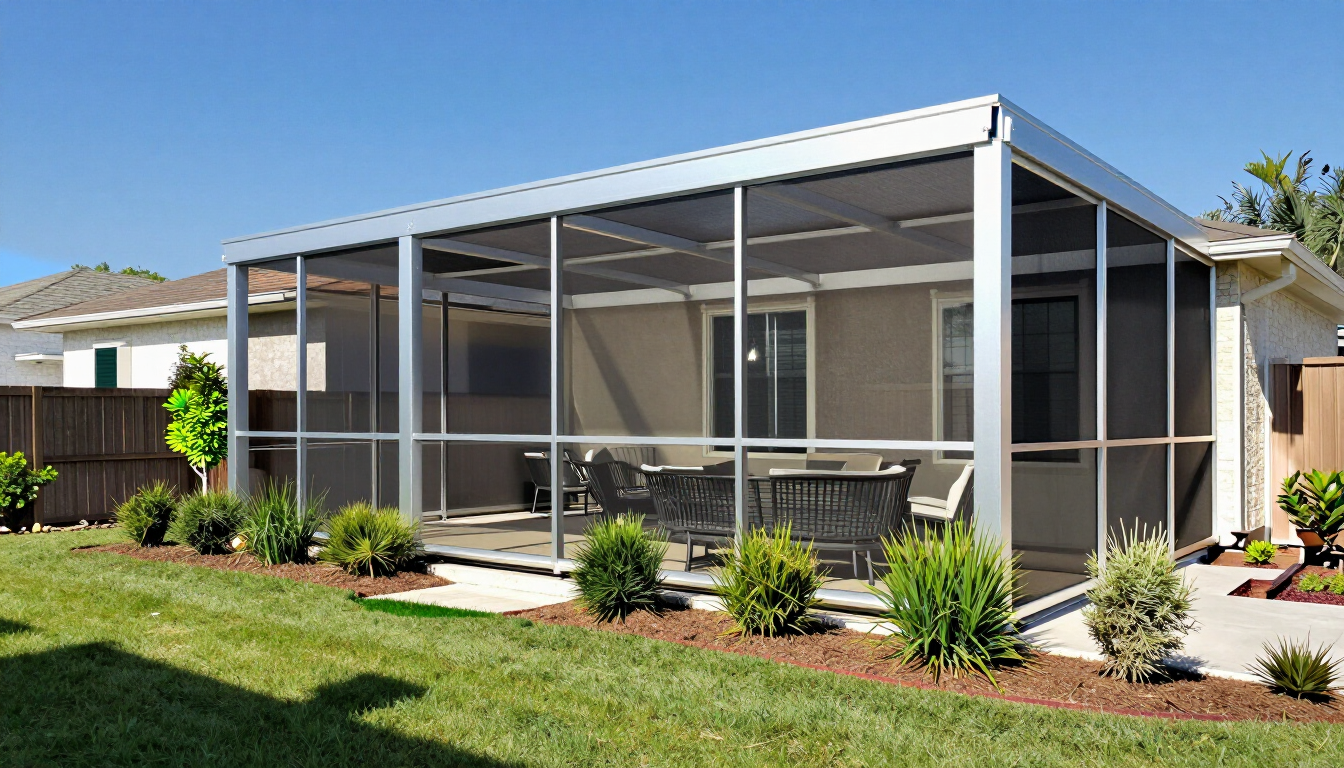
Gazebo vs Patio Cover: Choose the Right One
A gazebo vs patio cover comparison comes down to placement, protection, and how you use your outdoor space. A gazebo is usually a freestanding structure with a defined footprint, while a patio cover attaches to the home and shades an existing patio. The better choice depends on budget, weather protection, maintenance, and long-term convenience.
What is the difference between a gazebo and a patio cover?
The biggest difference is how each structure relates to your home.
A gazebo is generally freestanding. It creates a separate destination in the yard and may have a solid roof, open sides, screens, or decorative details. Gazebos can work well beside a garden, pool, outdoor kitchen, or fire pit.
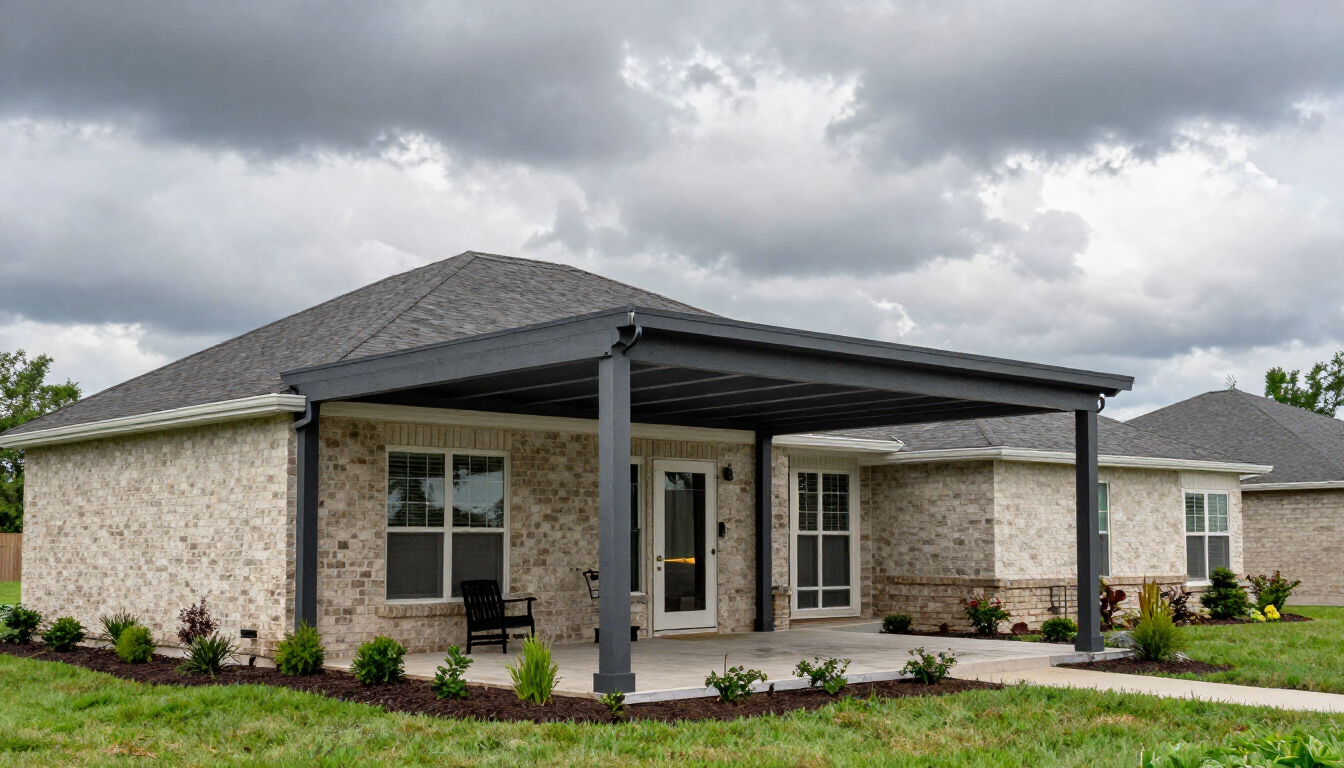
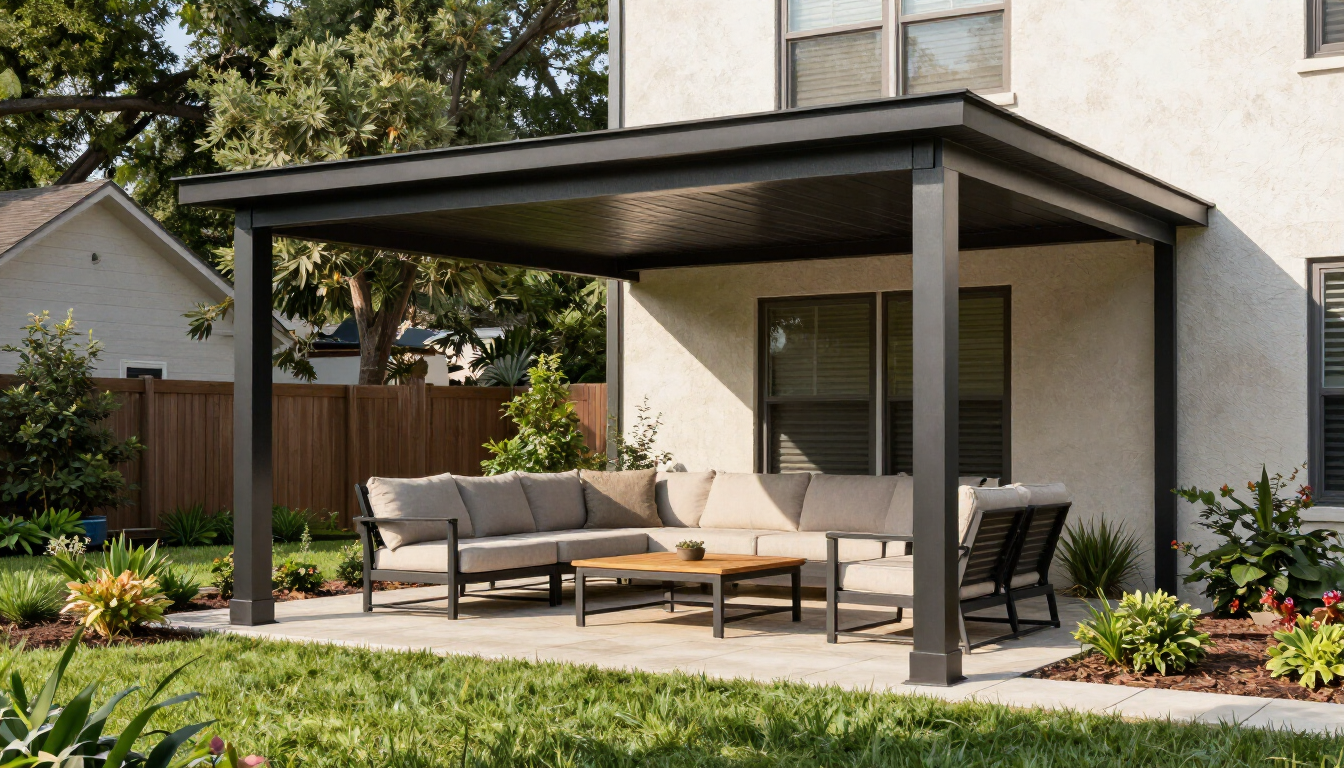
A patio cover is typically attached to the house. It extends an existing living area and creates a more direct transition between indoor and outdoor spaces. Patio covers may use aluminum, wood, or other materials, but an aluminum patio cover is especially popular for low maintenance and long-term durability.
In simple terms:
- Choose a gazebo for a separate outdoor retreat.
- Choose a patio cover for convenient shade directly outside your home.
- Choose a screened structure when insects are a major concern.
- Compare roof design, drainage, permits, and local weather before deciding.
Gazebo vs patio cover: Which provides better shade?
Both can provide excellent shade, but the experience is different.
A gazebo shades a specific area within the yard. Because it is freestanding, its location determines how much shade it receives throughout the day. A poorly positioned gazebo may become hot in the afternoon or fail to shade the area you use most.
A patio cover shades the patio immediately beside your house. That makes it convenient for outdoor dining, grilling, relaxing, and moving between the kitchen and backyard. A well-designed cover can also reduce heat near adjacent windows and doors.
For Houston-area homeowners, shade is often a daily priority. A patio cover can make an existing patio more comfortable during warm, humid weather, while a gazebo may be better if you want a shaded destination away from the home.
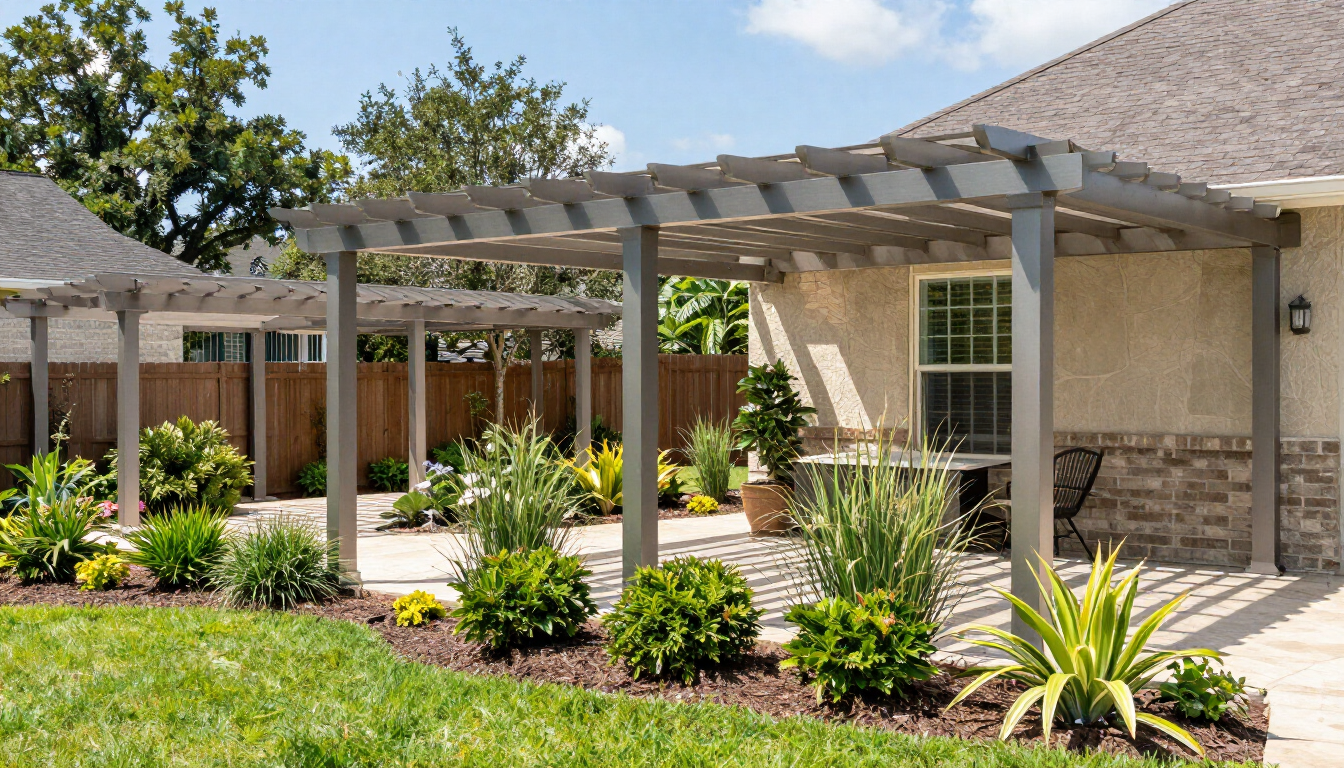
Roof style matters, too. Solid roofs usually offer more dependable shade than open-lattice designs. However, a lattice or pergola-style roof can provide filtered sunlight and a lighter visual appearance. See our pergolas page if you prefer a more open design.
Which option offers better weather protection?
A solid-roof patio cover usually provides more practical protection because it is positioned beside the house and can cover the entire patio. It may help protect furniture, grills, doors, and flooring from direct sun and rain.
A gazebo can also protect against sun and light rain, especially when it has a solid roof and screened or enclosed sides. However, wind-driven rain may enter from multiple directions. Its performance depends heavily on roof design, anchoring, drainage, and location.
Neither structure should be treated as a substitute for a storm shelter. Houston-area homeowners should consider wind exposure, heavy rain, drainage, and applicable building requirements before construction.
What does a gazebo or patio cover cost?
Project pricing varies widely, so a general comparison is more useful than a single number. Cost depends on size, materials, foundation or attachment work, roof design, screens, electrical features, site preparation, and permits.
A gazebo may cost more than expected when it requires a new foundation, extensive leveling, custom screens, lighting, or a long path from the home. A basic prefabricated gazebo can cost less initially, but it may not offer the same durability or customization as a professionally built structure.
A patio cover often uses an existing patio or slab, which can simplify installation. An attached design may still require structural connections, drainage planning, engineering, and permit review. Aluminum can provide a strong balance of appearance, maintenance, and lifespan.
The best way to compare cost is to request itemized proposals that explain:
- Structure size and roof style
- Materials and finishes
- Footings, slab, or attachment requirements
- Screens, lighting, fans, and other options
- Permits, cleanup, warranty, and installation timeline
You can review patio covers and aluminum patio covers to compare common approaches before requesting a project consultation.
Which is easier to maintain?
Maintenance depends on the materials and exposure, but aluminum patio covers are often simpler to care for than painted wood structures. Aluminum does not rot, warp, or attract termites, and many finishes can be cleaned with mild soap and water.
A gazebo may require more regular attention if it uses wood, fabric, decorative trim, or removable screens. Even durable materials need inspection after severe weather. Look for loose fasteners, roof damage, clogged drainage points, corrosion, torn screens, and shifting supports.
A practical maintenance checklist includes:
- Clear leaves and debris from the roof and gutters.
- Wash the roof and posts periodically.
- Inspect connections after major storms.
- Check screens, doors, and hardware for damage.
- Keep nearby trees trimmed away from the structure.
Maintenance should not be the only deciding factor. A gazebo may be worth the extra care if its separate location and design are exactly what your family wants.
Can a patio cover increase usable living space?
Yes. A patio cover can make an existing outdoor area more useful without requiring a full room addition. With thoughtful planning, the covered space can support morning coffee, family meals, entertaining, grilling, or quiet evenings outside.
Because it connects directly to the home, a patio cover often feels like an extension of the kitchen or living room. You can add furniture, lighting, a ceiling fan, an outdoor television, or a dining area. The design should account for door swings, windows, rooflines, drainage, and how people move through the space.
A gazebo creates usable space, too, but its separation can be either an advantage or a drawback. It offers privacy and a dedicated destination, yet carrying food, dishes, and supplies across the yard may be less convenient.
Is a gazebo or patio cover better for privacy?
Privacy depends more on placement and enclosure than on the structure’s name. A gazebo can create a private retreat when positioned away from neighboring sightlines and paired with screens, curtains, landscaping, or partial walls.
A patio cover can improve privacy with carefully planned screening, privacy panels, or landscaping along the property line. Because it sits beside the home, it may be easier to connect privacy features to existing walls, fences, and outdoor rooms.
If insects are a bigger concern than visibility, a screened patio enclosure may be the better fit. Explore patio enclosures for a more protected outdoor room that supports longer, more comfortable use.
How do you choose between a gazebo and patio cover?
Start with how you expect to use the space—not with a picture of a structure you like. Ask these questions:
- Do you want the structure attached to the house or located elsewhere?
- Is your main goal shade, rain protection, privacy, or entertaining?
- Will you use the space for dining, grilling, lounging, or a poolside retreat?
- Do you already have a suitable patio or slab?
- How much maintenance are you comfortable performing?
- Does the design fit your home, yard, budget, and neighborhood requirements?
A patio cover is usually the stronger choice when convenience, dependable shade, and connection to the home matter most. A gazebo may be the better choice when you want a distinct backyard destination with a more decorative or independent feel.
Houston-area design considerations
Greater Houston weather can influence the right design. High heat, humidity, intense sun, heavy rainfall, and occasional strong winds all affect materials and construction details.
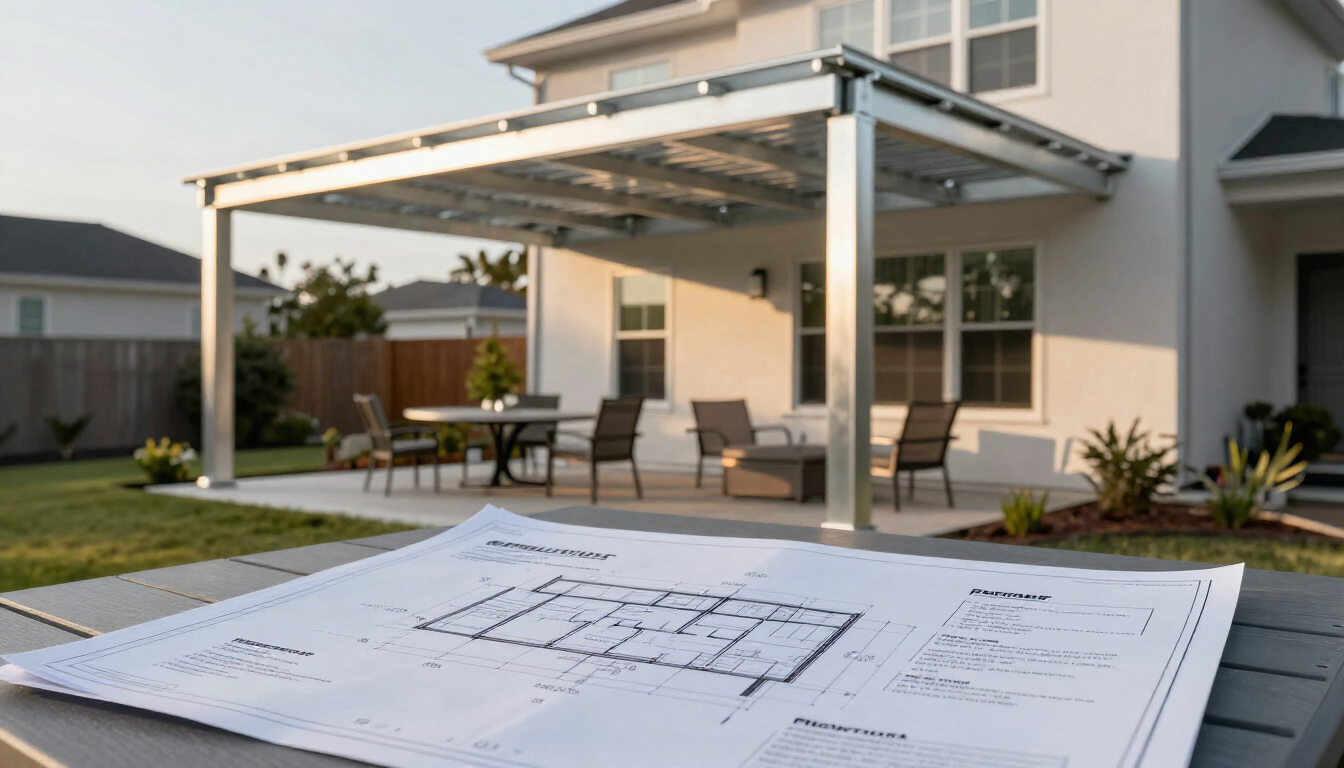
Consider roof drainage, attachment points, corrosion-resistant hardware, ventilation, and the structure’s exposure to wind. A professional should also evaluate the existing patio, soil conditions, utility lines, and local permitting requirements.
Lone Star Patio Covers & Enclosures serves Houston and surrounding communities, including Katy, Cypress, The Woodlands, Spring, Richmond, Rosenberg, Tomball, Kingwood, Humble, Fulshear, Conroe, Missouri City, Pearland, League City, and Clear Lake. With more than 30 years of experience, our team can help compare practical options for your property.
See our projects for design inspiration, read testimonials , or contact us to discuss your outdoor living goals.
Final takeaway
The gazebo vs patio cover decision depends on whether you want a separate backyard destination or a shaded extension of your home. Choose a gazebo for independence, privacy, and a distinctive retreat. Choose a patio cover for convenient access, reliable shade, and better integration with an existing patio. For Houston homeowners, also compare drainage, wind exposure, maintenance, materials, and permitting. Review your daily outdoor habits, measure the available space, and request an itemized professional proposal before making a final decision.