
What Are Pet Resistant Screens? Houston Guide

Brian Sonnier • September 23, 2026

Pet resistant screens are reinforced screen materials designed to withstand scratching, pushing, and occasional chewing better than standard mesh. For Houston pet owners, they help keep dogs and cats safely inside a patio enclosure while reducing tears, repairs, insects, and outdoor heat exposure. They are a practical upgrade for frequently used screen rooms.

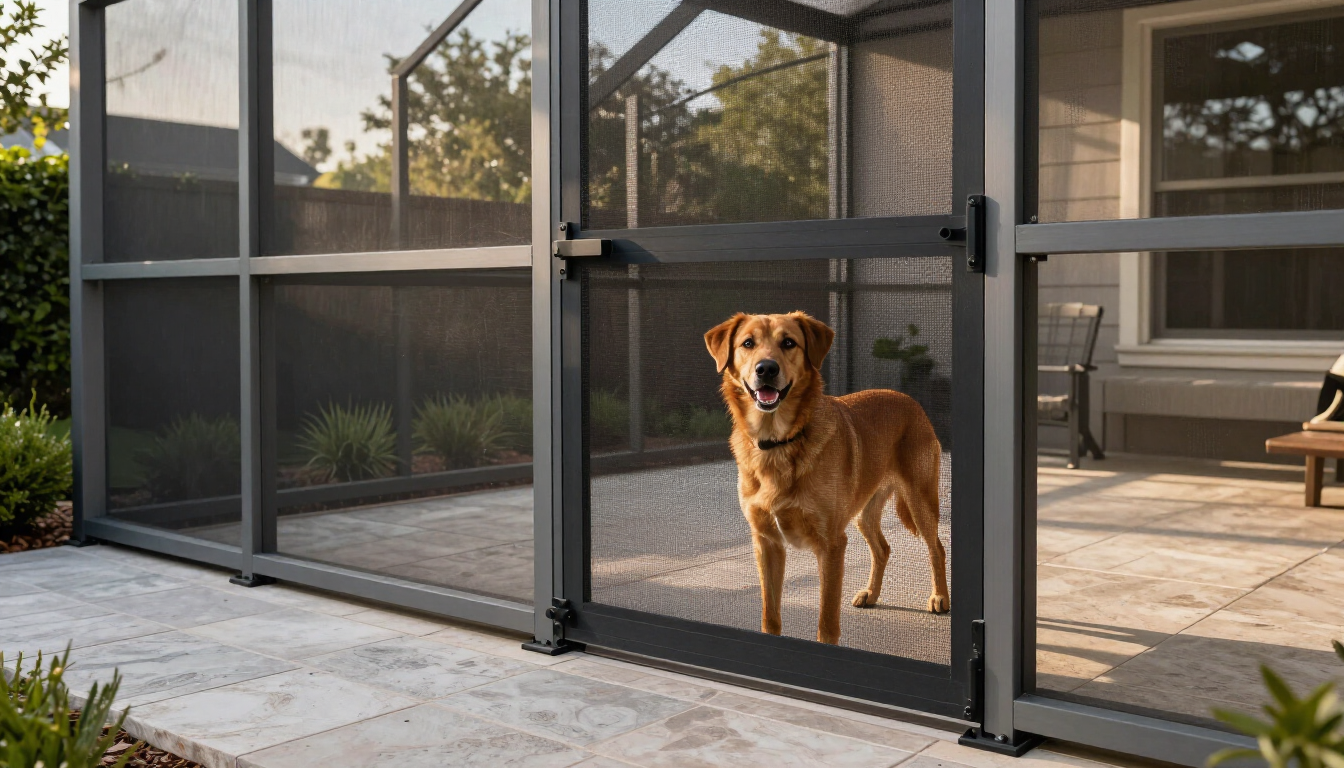
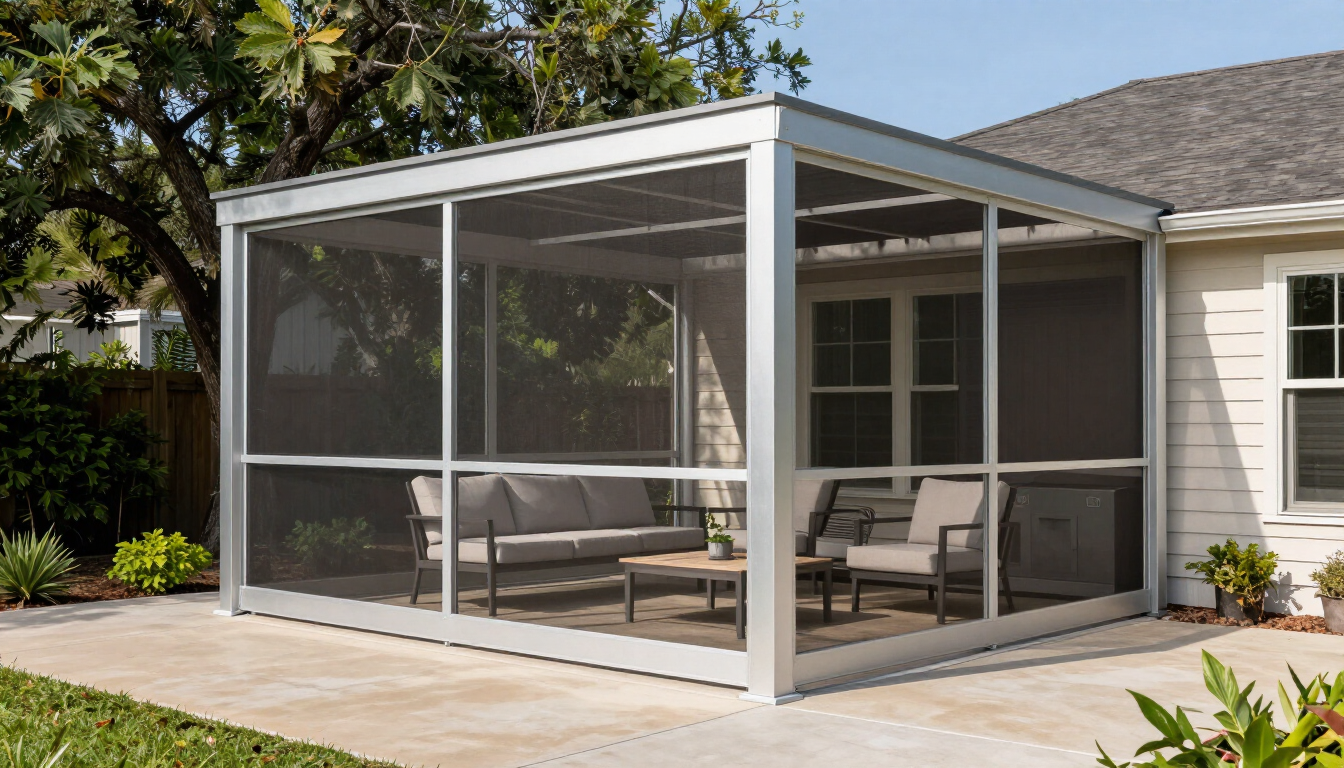
Pet resistant screens on a Houston patio enclosure

Why Do Houston Pet Owners Need Stronger Screens?

Houston patios face year-round humidity, intense sunlight, storms, and frequent outdoor use. Add an energetic dog or curious cat, and ordinary fiberglass mesh can become damaged quickly.

Pets may push against screening when they see squirrels, delivery drivers, or neighborhood animals. Dogs can also scratch at a lower panel or lean against a screen door. Cats may climb, paw, or test weak spots. A small tear can become a large opening, allowing insects inside or creating an escape route.

Pet resistant screens are especially useful when your enclosure is:

  • Used as a daily play area
  • Connected to a backyard or pool area
  • Home to large, active, or anxious pets
  • Exposed to frequent scratching near doors and corners
  • Intended to last for many years with minimal maintenance

A well-planned patio enclosure can give your family and pets more usable outdoor space without sacrificing comfort or security.

What Makes Pet Resistant Screens Different?

Pet resistant screens typically use thicker, stronger-coated fibers than standard mesh. The material is engineered to resist punctures and tears from normal pet activity, although no screen is completely chew-proof or claw-proof.

The main differences include:

  • Heavier mesh: Larger, stronger strands create a more durable barrier.
  • Tear resistance: Reinforced construction helps prevent a small puncture from spreading.
  • Improved lower-panel protection: The area most likely to experience scratching can receive a stronger screen material.
  • Better long-term value: Fewer repairs may offset the higher initial material cost.
  • Flexible design options: Screens can be combined with doors, framing, and enclosure layouts suited to your property.

The right material depends on your pet’s size, behavior, and access to the screen. A calm small dog has different needs than a large dog that jumps at outdoor distractions.

Pet-Resistant Mesh Options

Not every project needs the same level of protection. During planning, a contractor can help compare standard mesh, heavy-duty mesh, and pet-resistant screening based on the enclosure’s location and your pet’s habits.

For many homes, it makes sense to reinforce only the lower sections or high-traffic areas. This approach can provide extra protection where it matters most while preserving airflow and visibility throughout the rest of the enclosure.

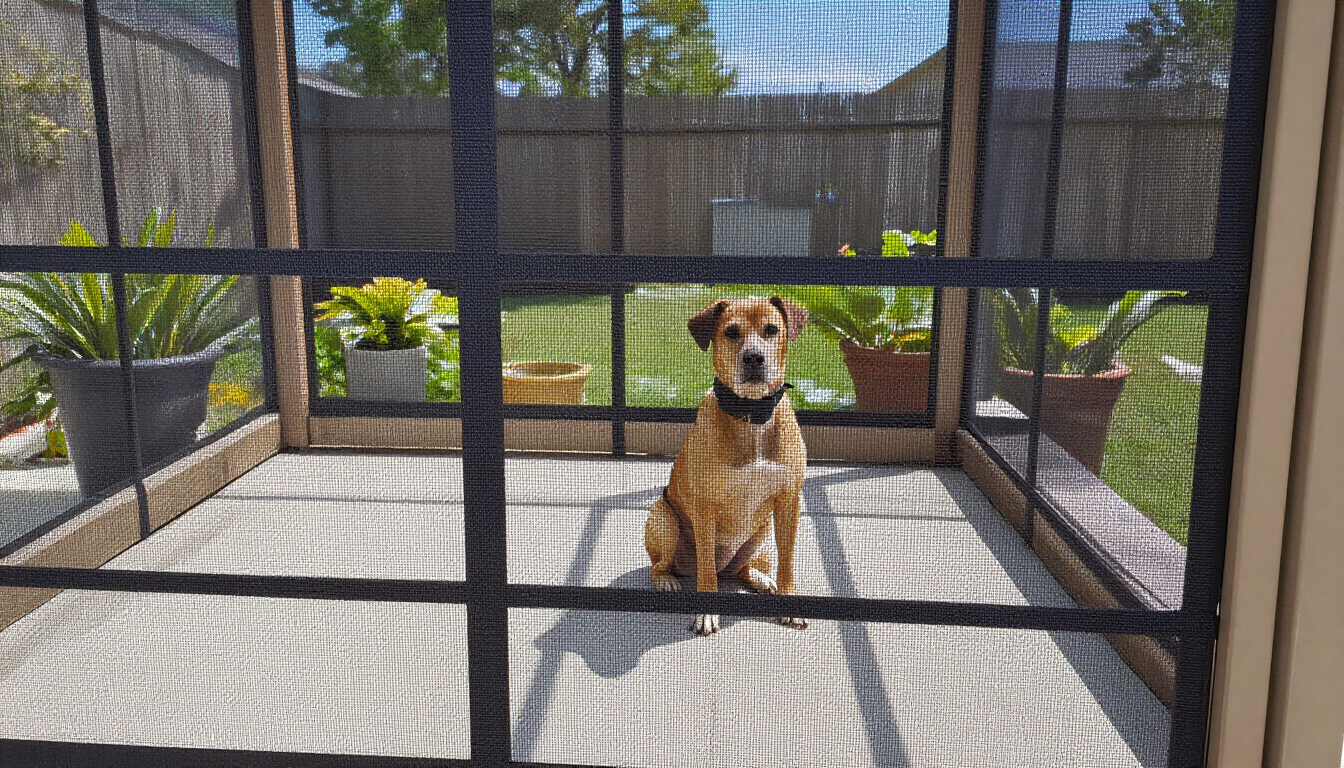
Close-up of durable pet screen mesh

How Do Pet Resistant Screens Protect Dogs and Cats?

Pet resistant screens create a stronger boundary between your pet and the outdoors. They can reduce the chance that a pet will push through a weak panel, escape through a torn opening, or damage the enclosure while reacting to outside activity.

They also support a calmer indoor-outdoor routine. Your pet can enjoy fresh air and natural light while remaining separated from pools, landscaping, streets, and unfamiliar animals. For Houston households, a screened space can be more comfortable than an open patio because it helps limit mosquitoes and other biting insects.

Still, screening should not be treated as a substitute for supervision. A determined animal may eventually damage even reinforced mesh. Check the enclosure regularly, especially after storms or periods of unusual behavior.

Are Pet Resistant Screens Chew-Proof?

No. Pet resistant screens are more durable than ordinary mesh, but they are not guaranteed to withstand persistent chewing, sharp claws, or repeated impact indefinitely. The phrase “pet resistant” means the material is designed to handle normal pet-related wear better—not that it is indestructible.

If your pet chews screening, tell your contractor before installation. You may need additional measures such as:

  • A solid lower wall or kick panel
  • A screen door with a stronger bottom section
  • Strategic furniture placement to prevent climbing
  • Training and supervision near vulnerable areas
  • Reinforced framing around corners and entry points

The best solution combines suitable materials with thoughtful enclosure design and responsible pet management.

What Should You Ask Before Choosing a Screen?

Before approving materials, ask these practical questions:

  1. Which screen type is recommended for my pet’s size and behavior?
  2. Should the entire enclosure use pet-resistant mesh, or only lower panels?
  3. How will the screen attach to the frame and door system?
  4. What maintenance or replacement should I expect in Houston’s climate?
  5. Can the design preserve visibility, ventilation, and natural light?
  6. How will the enclosure handle rain, wind, and seasonal storms?

A qualified contractor should explain the trade-offs clearly instead of recommending one material for every household. You can also review recent projects to see how different patio layouts and enclosure features work in real homes.

Design Details That Improve Pet Safety

The screen itself is only one part of a pet-friendly enclosure. Pay attention to the complete layout, including doors, transitions, and access points.

Helpful design details may include:

  • Self-closing or secure screen doors
  • Smooth thresholds that reduce tripping hazards
  • Durable latches pets cannot easily nudge open
  • Clear sightlines so you can monitor the patio
  • Shade from an aluminum patio cover
  • Adequate ventilation during warm, humid weather

Avoid leaving exposed sharp edges, loose hardware, or gaps at the bottom of panels. A professional installation can help ensure the enclosure is comfortable for people and safer for pets.

How Do You Maintain Pet Resistant Screens in Houston?

Inspect the mesh every few weeks and after severe weather. Look for loose edges, small holes, bent framing, damaged spline, or doors that no longer close securely.

For routine care:

  • Brush away hair, leaves, and debris from the lower panels.
  • Rinse dusty screens gently with water.
  • Use mild soap when needed, avoiding abrasive tools.
  • Keep claws trimmed if your pet paws at the mesh.
  • Repair small damage promptly before it spreads.

Do not pressure-wash screens at close range. High pressure can stretch mesh, loosen attachments, or damage seals. If you notice recurring damage in the same area, ask whether the layout or material needs to be upgraded.

A Practical Choice for Houston Pet Owners

Pet resistant screens are a smart choice when your dog or cat regularly uses a patio enclosure, especially if standard mesh has already torn or your pet reacts strongly to outdoor activity. They offer stronger protection against everyday scratching, pushing, and wear while preserving airflow, visibility, and access to fresh air.

Before choosing, evaluate your pet’s behavior, identify high-impact areas, and compare mesh and enclosure options with an experienced contractor. Lone Star Patio Covers & Enclosures serves Houston and surrounding communities with custom patio covers, pergolas, and screen rooms. Contact the team to discuss a pet-friendly enclosure for your home.

  • Choose reinforced mesh when daily pet activity could damage standard screening.
  • Consider lower-panel protection for targeted durability.
  • Pair strong screens with secure doors and regular inspections.
  • Get material recommendations based on your pet and patio design.

Recent Posts

Trusted patio builder Houston custom aluminum patio cover and screen enclosure
By Brian Sonnier • September 23, 2026
Learn what to look for in a trusted patio builder in Houston, from experience and materials to permits, warranties, project photos, and clear estimates.
Insulated aluminum roof panels on a Houston patio cover
By Brian Sonnier • September 23, 2026
Learn how insulated aluminum roof panels work, their benefits, costs, insulation value, and how to choose the right patio cover roofing for your Houston home.
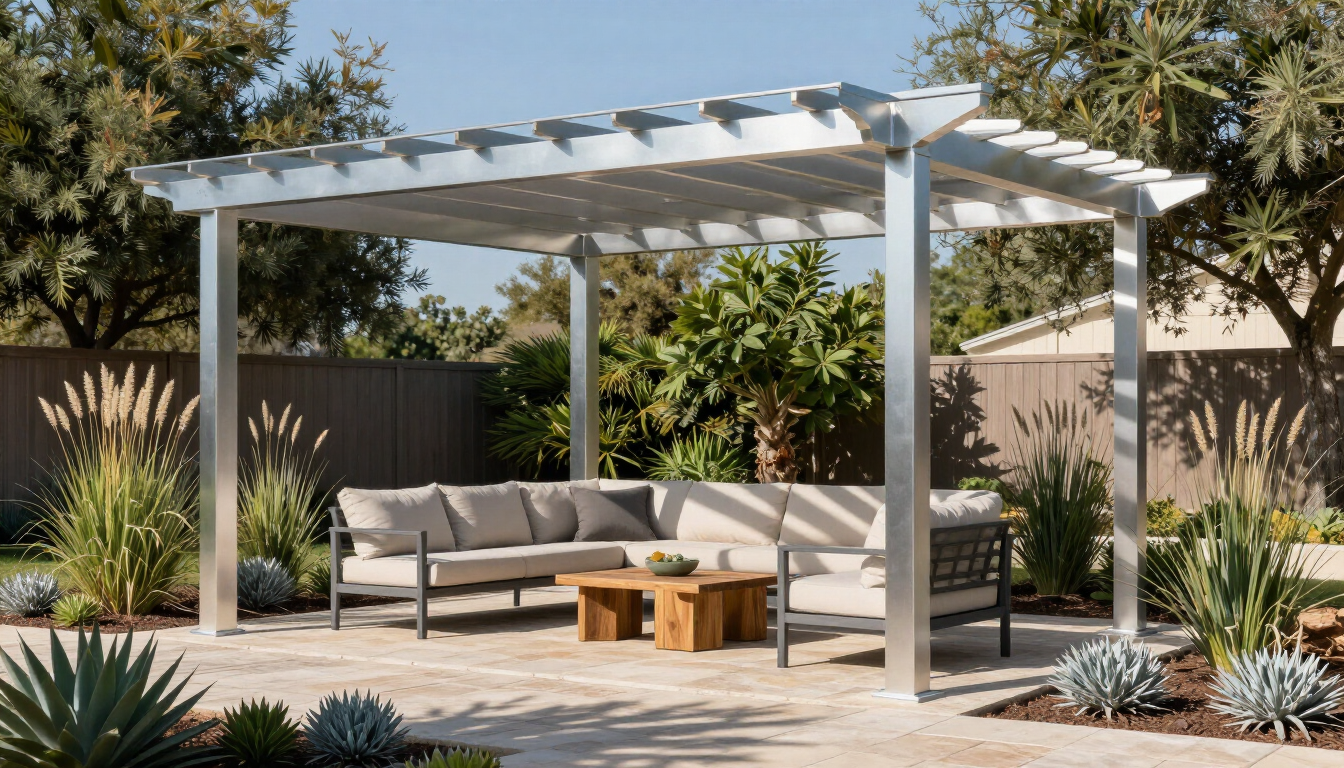
Pergola design ideas for Texas heat with shaded outdoor seating
By Brian Sonnier • September 23, 2026
Explore practical pergola design ideas for Texas heat, including shade, airflow, materials, and layout tips for comfortable Houston-area outdoor living.
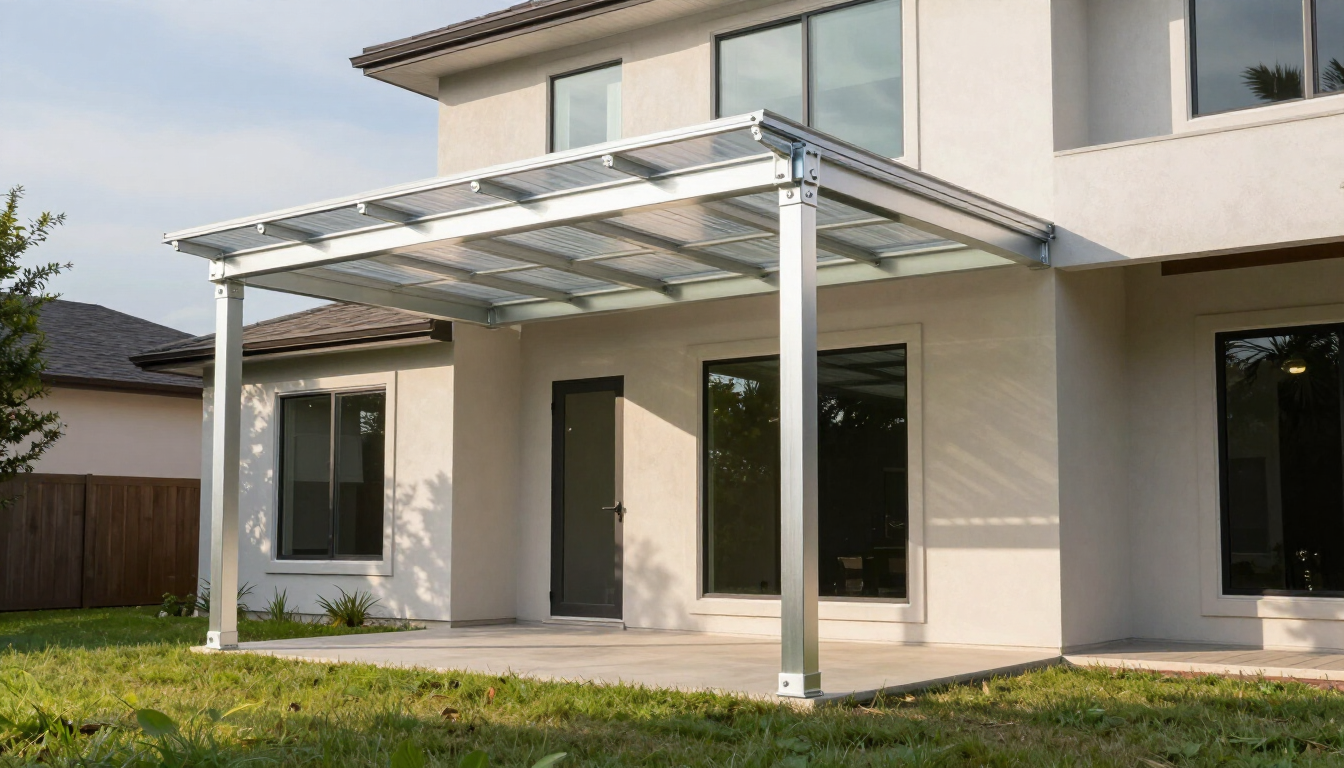
Building a patio cover in Houston to meet local building codes
By Brian Sonnier • September 23, 2026
Learn how to build a patio cover that meets Houston building codes, including permits, setbacks, wind loads, drainage, inspections, and contractor tips.
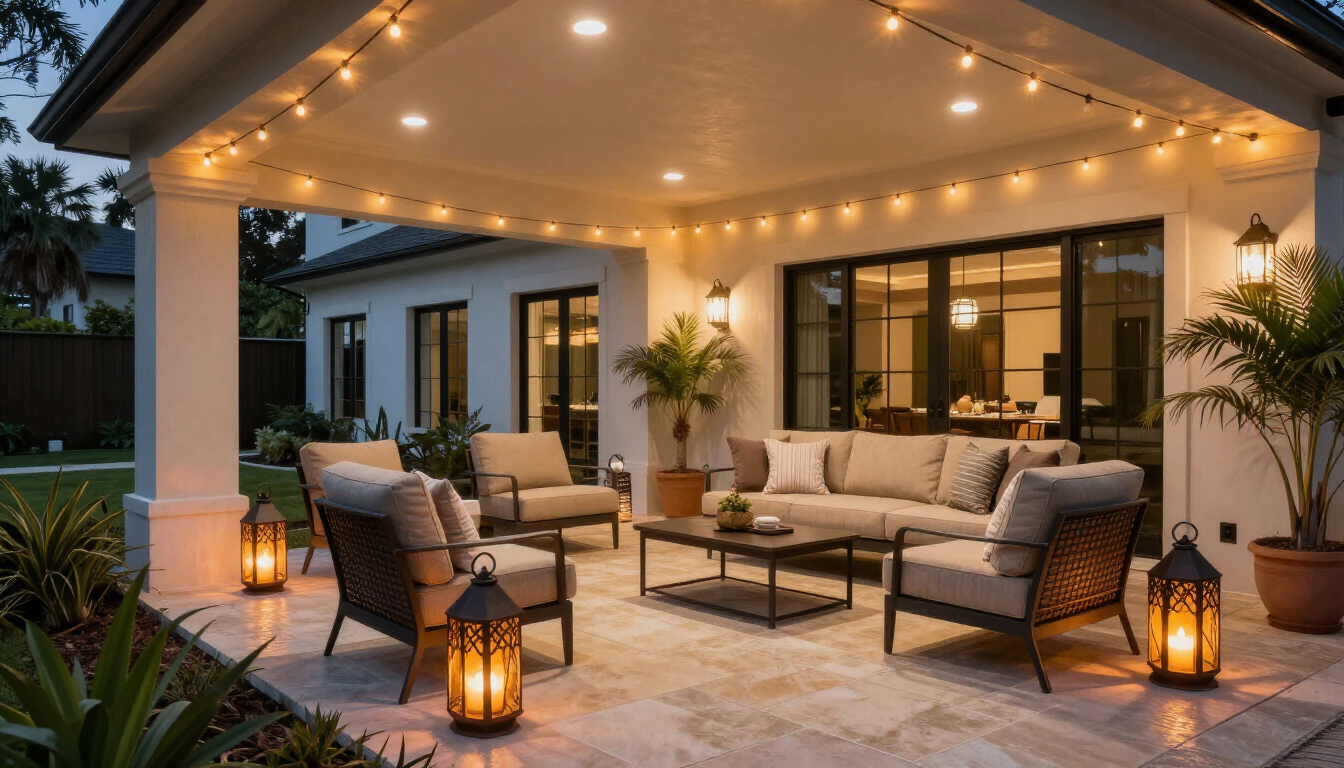
Creative lighting ideas for a covered patio with warm layered lights
By Brian Sonnier • September 23, 2026
Explore nine creative lighting ideas for a covered patio, from string lights to layered task lighting, to make your Houston outdoor space warmer and more useful.
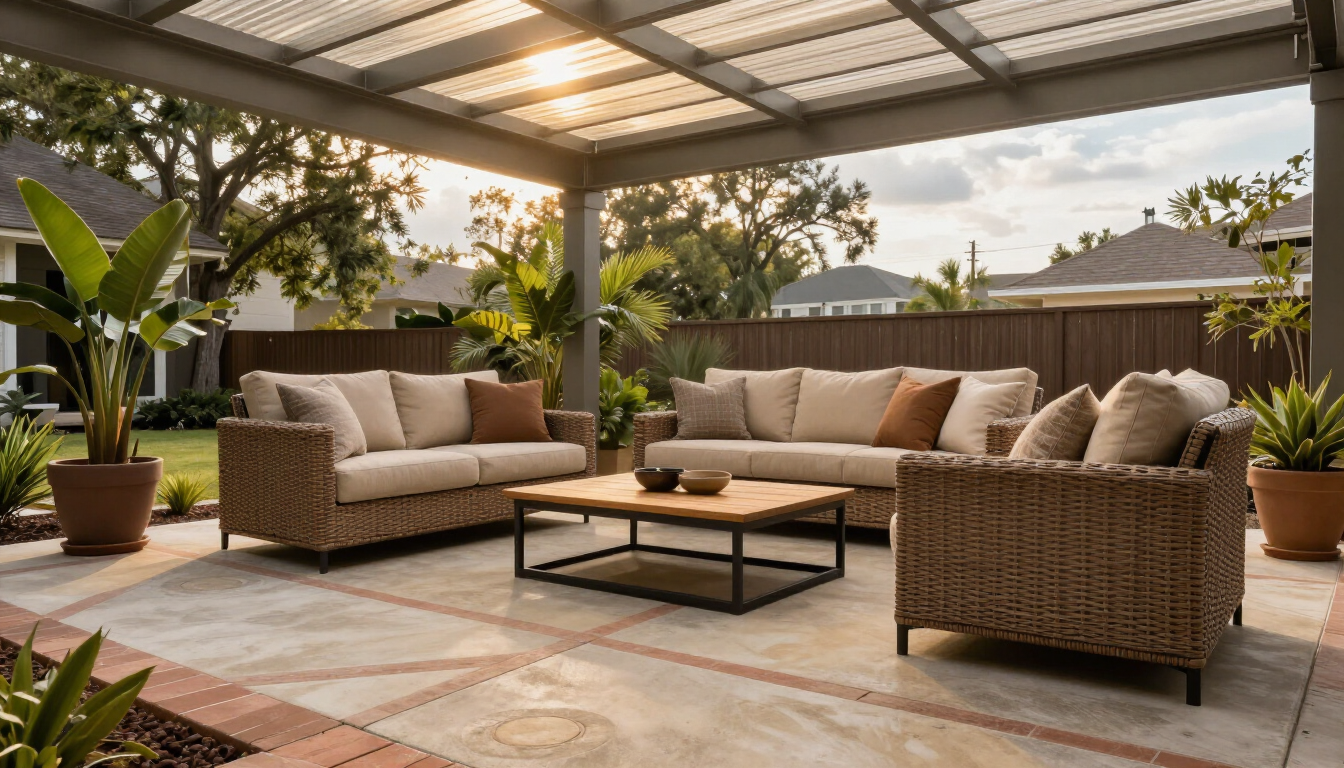
Patio concrete flooring options beneath an aluminum patio cover
By Brian Sonnier • September 23, 2026
Compare patio concrete flooring options for Houston outdoor living spaces, including stamped, stained, textured, and budget-friendly finishes for homeowners.
Aluminum patio roof extension on a Houston home
By Brian Sonnier • September 23, 2026
Compare the best patio roof extension materials for Houston homes, including aluminum, wood, vinyl, and insulated panels, with practical cost and maintenance guidance.
Aluminum patio cover with shade and outdoor seating in Katy, TX
By Brian Sonnier • September 23, 2026
Discover the patio cover features homeowners in Katy, TX request most, from shade and drainage to lighting, privacy, and durable aluminum design.
Houston HOA patio cover on a suburban Texas home
By Brian Sonnier • September 23, 2026
Learn how Houston-area HOA rules affect patio covers, pergolas, and screen rooms—and how to get approval before your project begins.
Homeowner learning how to read a patio cover quote beside an aluminum patio cover
By Brian Sonnier • September 23, 2026
Learn how to read a patio cover quote, compare contractors, spot missing costs, and ask better questions before approving your Houston-area project.
Show More