
How to Get Patio Cover Permits in Montgomery County

Brian Sonnier • September 23, 2026

Patio cover permits in Montgomery County, Texas depend on your property’s jurisdiction. If you live outside an incorporated city, Montgomery County may review the project; inside city limits, your city usually handles permits. Check jurisdiction first, then confirm setbacks, structural requirements, HOA rules, and inspection steps before construction begins.

Who issues patio cover permits in Montgomery County, Texas?

The first question is not “What size patio cover am I building?” It is “Who has authority over my property?” Montgomery County includes incorporated cities and unincorporated areas, and the permitting process can differ significantly between them.

Your property may fall under:

  • Montgomery County, if it is in an unincorporated area
  • A city building department, if it is within city limits
  • A city or county process affected by special districts, floodplain rules, or other local requirements

Cities such as Conroe, Magnolia, Montgomery, Oak Ridge North, Shenandoah, and The Woodlands may have their own procedures. The correct office depends on the property address—not simply the mailing address shown on your bills.

Before ordering materials, contact the applicable permitting office or ask your contractor to verify jurisdiction. This simple step helps prevent submitting an application to the wrong authority.

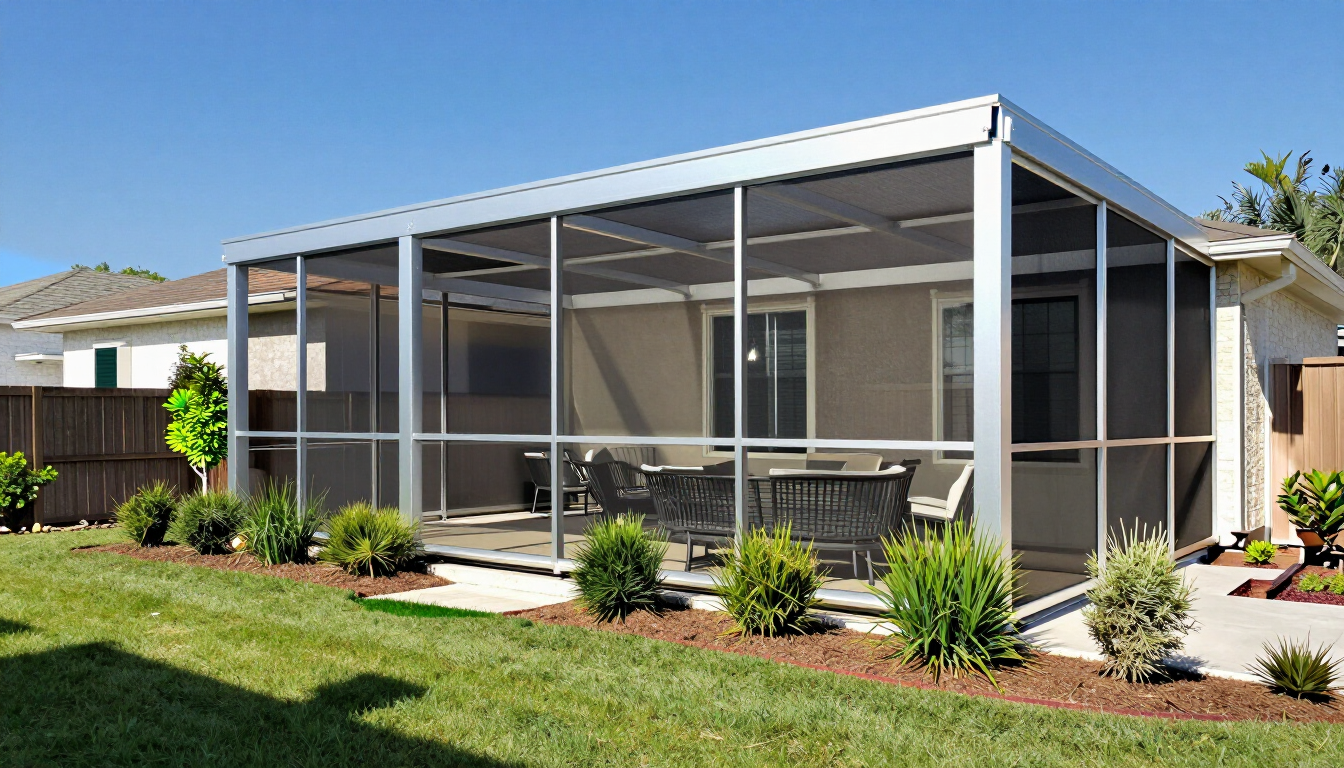
Photorealistic aluminum patio cover beside a Montgomery County Texas home, homeowner reviewing permit documents outdoors, sunny suburban setting

Does a patio cover require a permit in Montgomery County?

In many cases, yes. A patio cover is a permanent structure attached to or supported near a home, so local authorities may require a building permit before work starts. Requirements can vary according to size, roof design, attachment method, electrical work, foundation details, and location on the lot.

Do not assume a project is exempt because it is open-sided, made of aluminum, or smaller than a full room addition. Permit exemptions, when available, may have conditions and may not remove zoning, setback, electrical, floodplain, or HOA obligations.

A permit review generally confirms that the proposed structure is safe and complies with applicable rules. It may also help protect you when selling or refinancing the property. An unpermitted improvement can create questions during a future inspection and may require expensive corrections.

For an overview of available designs, compare Lone Star’spatio coversandaluminum patio covers.

County versus city: what is the difference?

Unincorporated Montgomery County

If your home is outside city limits, the county may review the building permit. You may need plans showing the property, structure dimensions, attachment details, materials, setbacks, and other information requested by the county.

Depending on the address and project, additional reviews may involve floodplain administration, drainage, septic systems, or access requirements. The county may also require inspections at specific stages of construction.

Incorporated city limits

If your property is inside a city, the city building department generally controls permits and inspections. Each city can set its own application forms, fees, design standards, setback rules, and inspection scheduling process.

Even neighboring properties with similar patio covers can have different requirements if one is inside a city and the other is in an unincorporated area. That is why online advice or a neighbor’s experience should be treated as a starting point—not a final answer.

What documents are usually needed?

The exact checklist varies, but a patio cover permit application commonly includes:

  1. A site plan showing the house, property lines, existing improvements, and proposed cover
  2. Project dimensions, including width, depth, height, roof pitch, and attachment location
  3. Construction or elevation drawings showing posts, beams, rafters, footings, and connections
  4. Product specifications for aluminum framing, roofing, fasteners, and other components
  5. Contractor information and, where applicable, proof of authorization from the property owner

Some jurisdictions may request a survey, engineered plans, energy information, wind-load details, or additional documents. A covered structure attached to the home may receive more scrutiny than a freestanding shade structure.

Clear, complete drawings usually reduce delays. If the reviewer cannot determine how the cover connects to the home or how posts transfer loads to the ground, the application may be returned for clarification.

What setbacks and site rules should homeowners check?

A permit review may consider more than the structure itself. Before finalizing a layout, check:

  • Required distance from side and rear property lines
  • Easements, drainage paths, utility corridors, and access areas
  • Building height and roof overhang limits
  • Distance from septic systems, wells, pools, or other improvements
  • Floodplain or stormwater requirements
  • Deed restrictions or homeowners association approval

HOA approval and government permitting are separate. An HOA may regulate appearance, colors, materials, or placement, while the county or city evaluates safety and legal construction. You may need both approvals before work begins.

How does the patio cover inspection process work?

After approval, the permit normally must remain available at the job site. Inspections are scheduled as construction progresses, and the required stages depend on the design and local authority.

A typical project may involve inspection of:

  • Footings or post bases before they are concealed
  • Structural framing and connections
  • Electrical work, if fans, lights, outlets, or heaters are included
  • Final construction and completed site conditions

Never cover work that still needs inspection. If concrete, framing, wiring, or connections become inaccessible, the inspector may require portions to be exposed before approval.

Your contractor should know which inspections apply and how to request them. Still, homeowners should ask for the permit number, inspection schedule, and final approval documentation for their records.

Can a contractor handle the permit for you?

Often, yes. An experienced patio cover contractor can prepare drawings, submit paperwork, coordinate reviews, and schedule inspections. This is especially helpful when local rules differ between Montgomery County and nearby cities.

However, homeowners should understand what is included. Ask your contractor:

  • Which authority will issue the permit?
  • Is the permit fee included in the proposal?
  • Who responds to correction notices?
  • Which inspections are required?
  • Will you receive final approval or permit-closure records?

A reputable contractor should not promise that a permit is unnecessary without verifying the property and design. Be cautious if someone suggests beginning work first and “handling paperwork later.”

Lone Star Patio Covers & Enclosures serves Montgomery County and surrounding communities with more than 30 years of experience. Explore the company’s services, review projects, or contact the team to discuss your property and planned structure.

What should you do before building?

Use this short permit checklist before construction:

  1. Confirm whether the property is in Montgomery County or an incorporated city.
  2. Check setbacks, easements, floodplain concerns, and HOA requirements.
  3. Choose a design and gather accurate dimensions and product information.
  4. Submit the permit application to the correct authority.
  5. Keep the permit active and complete every required inspection.

A practical path forward

Patio cover permits in Montgomery County are manageable when you verify jurisdiction before designing the project. County and city rules can differ, and a structure that looks simple may still involve setbacks, structural drawings, inspections, HOA approval, or floodplain review. Start by confirming the property’s governing authority, then prepare a complete site plan and construction package. If you work with a qualified contractor, ask who handles permits and how final approval will be documented. Once those details are clear, you can compare designs, request an accurate estimate, and move ahead with greater confidence.

For more outdoor living ideas, browse pergolas, patio enclosures, and recent blog articles.

Recent Posts

Aluminum patio cover and screen enclosure in The Woodlands, TX
By Brian Sonnier • November 1, 2026
See how a The Woodlands homeowner combined an aluminum patio cover and screen enclosure for shade, comfort, and low-maintenance outdoor living with Lone Star Patio Covers & Enclosures.
Hurricane wind ratings for an aluminum patio cover in Houston
By Brian Sonnier • November 1, 2026
Learn how hurricane wind ratings, engineering, hail, and heavy rain affect aluminum patio covers in Houston—and what to ask your contractor before building.
Aluminum patio cover in a Houston backyard
By Brian Sonnier • November 1, 2026
Compare patio cover financing options and learn what warranties typically cover, from materials and paint finish to workmanship, before hiring a Houston contractor.
Aluminum pergola vs patio cover in a Houston backyard
By Brian Sonnier • November 1, 2026
Compare an aluminum pergola vs patio cover in Houston for shade, rain protection, cost, permits, and the best fit for your backyard.
Patio cover permit plans for a Houston backyard
By Brian Sonnier • November 1, 2026
Learn who issues patio cover permits in Houston, Harris County, and Fort Bend County, what documents you need, how inspections work, and how to avoid delays.
Patio cover cost in Houston, TX
By Brian Sonnier • October 6, 2026
See estimated 2026 patio cover and screen enclosure costs in Houston, including aluminum, Alumawood, insulated panels, installation, permits, and add-ons.
Trusted patio builder Houston custom aluminum patio cover and screen enclosure
By Brian Sonnier • September 23, 2026
Learn what to look for in a trusted patio builder in Houston, from experience and materials to permits, warranties, project photos, and clear estimates.
Insulated aluminum roof panels on a Houston patio cover
By Brian Sonnier • September 23, 2026
Learn how insulated aluminum roof panels work, their benefits, costs, insulation value, and how to choose the right patio cover roofing for your Houston home.
Pergola design ideas for Texas heat with shaded outdoor seating
By Brian Sonnier • September 23, 2026
Explore practical pergola design ideas for Texas heat, including shade, airflow, materials, and layout tips for comfortable Houston-area outdoor living.
Building a patio cover in Houston to meet local building codes
By Brian Sonnier • September 23, 2026
Learn how to build a patio cover that meets Houston building codes, including permits, setbacks, wind loads, drainage, inspections, and contractor tips.

Show More