
How to Choose a Patio Cover Design That Works

Brian Sonnier • September 23, 2026

A successful patio cover design balances shade, weather protection, comfort, and curb appeal. Start by studying your home’s architecture, measuring how you use the space, and choosing durable materials. Then add lighting, fans, furniture, and finishing details that make the covered area feel like a natural extension of your Houston home.

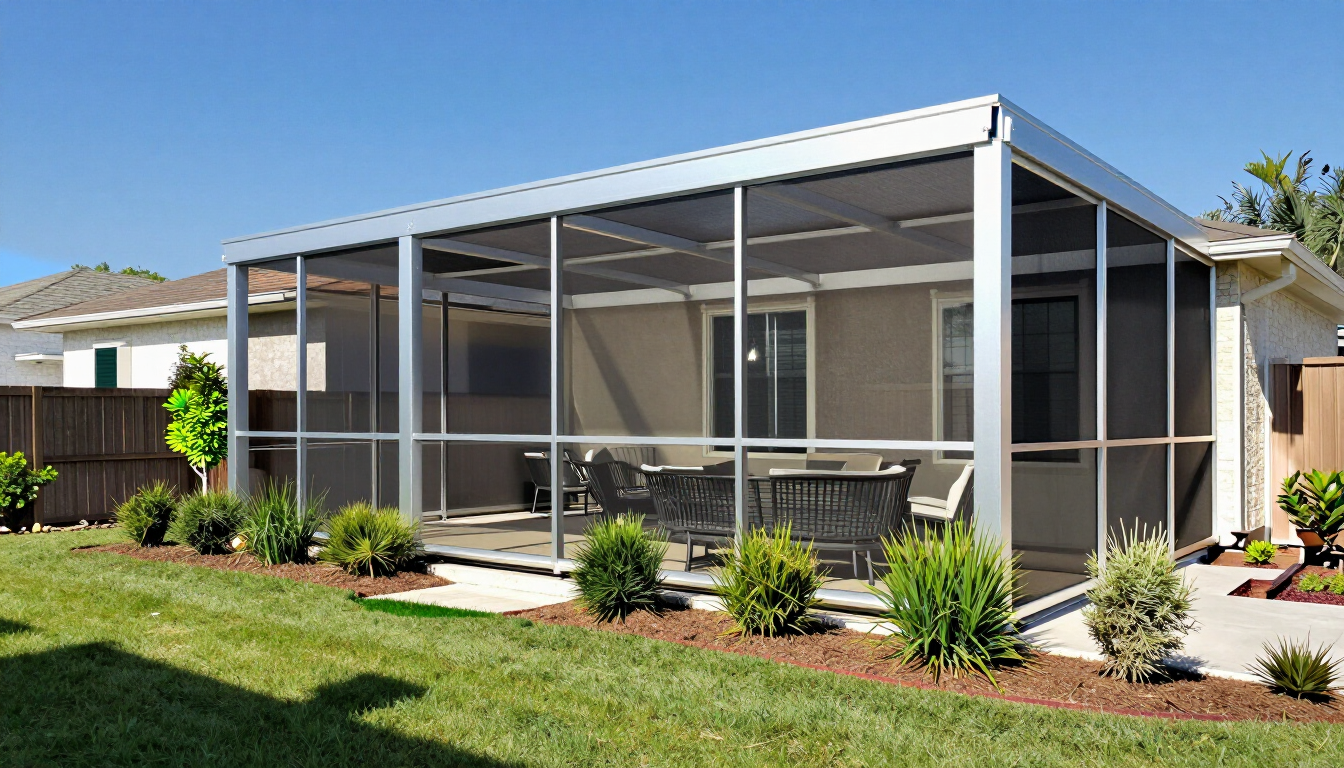
Stylish patio cover design with outdoor seating

What should you consider before planning a patio cover?

Before choosing colors or furniture, define what you want the space to do. A patio used for quiet morning coffee will need a different layout from one designed for large family gatherings.

Consider these questions:

  • How many people should the space comfortably accommodate?
  • Will you use it for dining, grilling, lounging, entertaining, or all four?
  • Do you need full shade, filtered sunlight, or protection from rain?
  • Where are the strongest afternoon sun, prevailing breezes, and best views?
  • Will you need power for lighting, fans, a television, or an outdoor kitchen?

Measure the existing patio, doors, windows, roofline, and property boundaries. Also check drainage and the path people naturally take between your home and yard. These details influence the cover’s size, placement, posts, and roof style.

For inspiration, browse Lone Star’s patio cover services and aluminum patio cover options before making a shortlist.

How do you choose a patio cover style?

The best style complements your home instead of looking like an afterthought. Match the cover’s lines, finish, and proportions to the existing architecture.

Attached patio covers

An attached cover creates a smooth transition from indoor to outdoor living. It works especially well beside a kitchen, living room, or back door because the space is convenient to access. A solid roof offers dependable shade and rain protection, while coordinated trim can make the addition feel built in.

Freestanding patio covers

A freestanding structure gives you more flexibility. It can define a dining area beside a pool, create a destination in the garden, or cover a seating area away from the house. This option is useful when an attachment point is limited or when you want to preserve the home’s existing roofline.

Pergolas for filtered shade

A pergola provides an open, airy appearance and a balance of sun and shade. It is a strong choice for homeowners who want architectural interest without fully enclosing the patio. Explore pergola ideas and pergola photos to compare different proportions and finishes.

Which roofing material is right for a Houston patio?

Houston-area outdoor spaces face heat, humidity, intense sun, heavy rain, and occasional storms. The material should look attractive, resist corrosion, and require manageable maintenance.

Aluminum is a practical choice because it is lightweight, durable, and available in finishes that complement many home exteriors. Unlike wood, it does not need regular staining or sealing, and it will not rot or attract termites. Insulated roof systems can also improve comfort by reducing heat transfer beneath the cover.

A solid aluminum roof is generally best when your priorities are dependable shade, rain protection, and year-round usability. A lattice or pergola-style roof may be better when you want more daylight and airflow. Screen panels can add another layer of comfort by helping reduce insects while preserving the outdoor feeling.

Ask your contractor about finishes, roof drainage, attachment methods, wind considerations, and maintenance expectations. A quality patio enclosure may be worth considering if you want more protection from bugs and weather.

How large should your patio cover be?

Size the structure around the furniture and circulation space—not just the empty patio. A cover that is technically large enough can still feel cramped once chairs are pulled back or guests gather around a table.

Use your intended layout as a starting point:

  1. Dining area: Allow room for the table, chairs, and clearance behind each chair.
  2. Lounge area: Plan for sofas, chairs, side tables, and comfortable walking paths.
  3. Grilling zone: Keep the grill accessible while separating it from high-traffic areas.
  4. Conversation area: Arrange seats so people can see one another without blocking doors.
  5. Multi-use patio: Create distinct zones with rugs, lighting, furniture direction, or a change in flooring.

Leave a clear route from the home to the yard. Avoid placing posts where they interfere with doors, steps, views, or established landscaping. Your final dimensions should also account for roof pitch, drainage, permits, and local building requirements.

What features make a patio cover more comfortable?

A roof is only the foundation. Thoughtful features can turn a shaded slab into a space your family uses regularly.

Add lighting for evening use

Layered lighting feels more inviting than a single bright fixture. Consider overhead lights for general visibility, wall or post lights for circulation, and subtle accent lighting around landscaping or architectural details. Plan electrical needs before construction so wiring and fixtures can be integrated cleanly.

Improve airflow

Houston summers can be hot and humid. Ceiling fans or strategically placed outdoor fans help move air beneath a solid roof. Keep the layout open enough for breezes, and avoid blocking airflow with oversized screens or dense furniture arrangements.

Plan for privacy

If neighboring homes are close, add privacy screens, a partial enclosure, curtains rated for outdoor use, or carefully positioned landscaping. Use these elements selectively so the patio remains bright and open.

Include convenient storage

A deck box, built-in cabinet, or designated storage wall keeps cushions, games, and grilling supplies close at hand. Keeping everyday items nearby makes the space easier to use and maintain.

Photorealistic covered patio dining area with fan and layered lighting

How can you make the design look more stylish?

Function comes first, but small visual decisions create a polished result. Use a limited palette of two or three complementary colors across the roof, trim, furniture, cushions, and accessories.

Choose furniture made for outdoor conditions, with fabrics that resist fading and moisture. Add texture through cushions, a weather-resistant rug, planters, and natural-looking accents. Repeat one or two finishes from the home—such as a window color, brick tone, or door hardware—to connect the structure visually to the house.

Keep proportions in mind. Heavy furniture can overwhelm a small patio, while tiny pieces may look lost beneath a large cover. Select one focal point, such as a dining table, fireplace, view, or feature wall, and arrange the rest of the space around it.

For project inspiration, visit the company’s projects page and customer testimonials .

Should you choose a patio cover or a screened enclosure?

Choose a patio cover when your main goals are shade, rain protection, and an open connection to the yard. Choose a screened enclosure when insects, wind-blown debris, or extra privacy are major concerns. Some homeowners combine both: a solid roof for reliable coverage with screened sides for comfort.

The right option depends on your location, budget, desired maintenance, and how often you plan to use the space. Compare how each design affects airflow, visibility, furniture choices, and future upgrades before deciding.

A practical patio cover design checklist

Before requesting an estimate, prepare:

  • A rough drawing with measurements and door locations
  • Photos of the home, patio, yard, and surrounding landscaping
  • Your preferred use, furniture layout, and number of guests
  • A short list of must-have features, such as fans, lighting, or screens
  • Questions about materials, drainage, permits, timeline, and warranty

A qualified contractor can turn this information into a design that fits the property and supports your everyday routine. Lone Star Patio Covers & Enclosures serves homeowners throughout Greater Houston, including Katy, Cypress, The Woodlands, Spring, Richmond, and surrounding communities. You can contact the team to discuss your space.

Final takeaways

A stylish, functional patio cover begins with how you plan to use the space. Measure carefully, choose a roof style suited to Houston weather, and size the structure around furniture and comfortable movement. Aluminum offers a durable, low-maintenance foundation, while lighting, fans, privacy features, and coordinated finishes improve daily enjoyment. Next, compare attached covers, freestanding structures, pergolas, and screened options against your priorities. Then share your measurements, inspiration, and must-have features with an experienced contractor so your final patio cover design fits both your home and your lifestyle.

Recent Posts

Aluminum patio cover and screen enclosure in The Woodlands, TX
By Brian Sonnier • November 1, 2026
See how a The Woodlands homeowner combined an aluminum patio cover and screen enclosure for shade, comfort, and low-maintenance outdoor living with Lone Star Patio Covers & Enclosures.
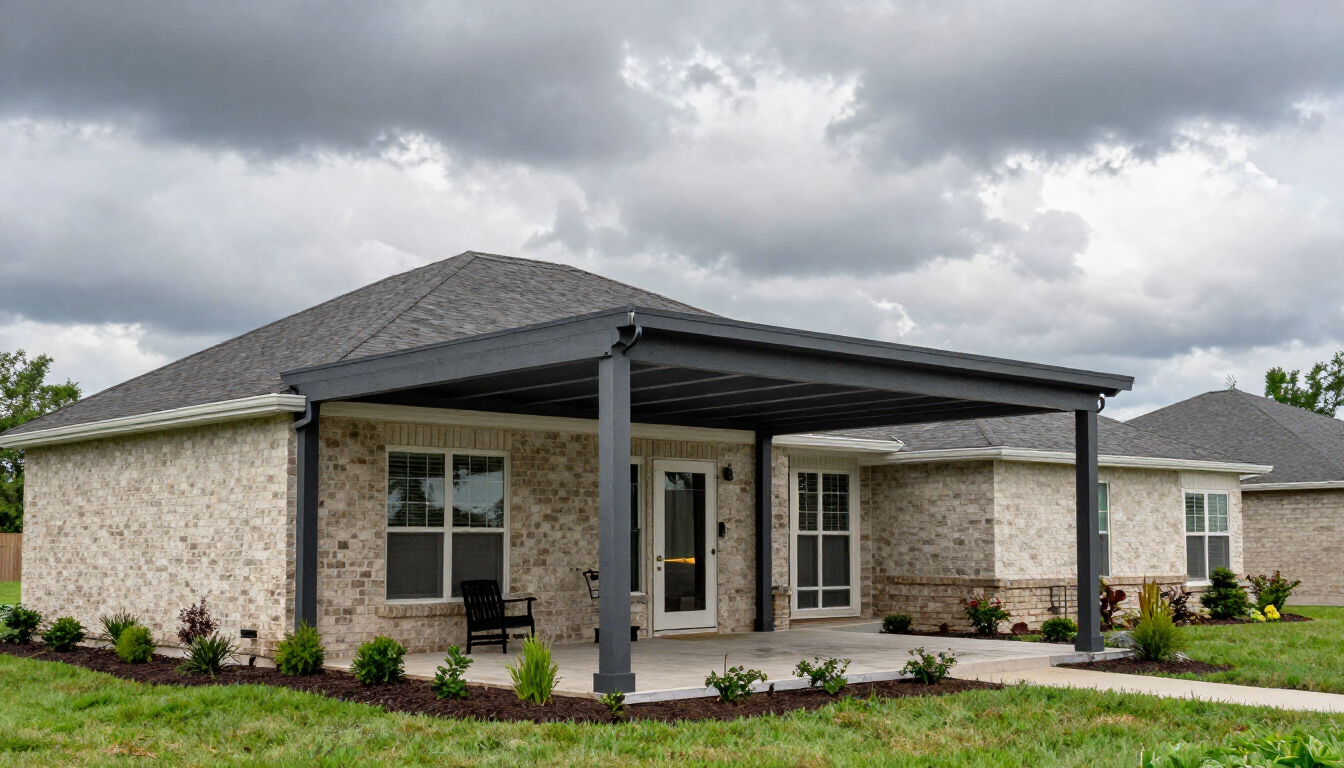
Hurricane wind ratings for an aluminum patio cover in Houston
By Brian Sonnier • November 1, 2026
Learn how hurricane wind ratings, engineering, hail, and heavy rain affect aluminum patio covers in Houston—and what to ask your contractor before building.
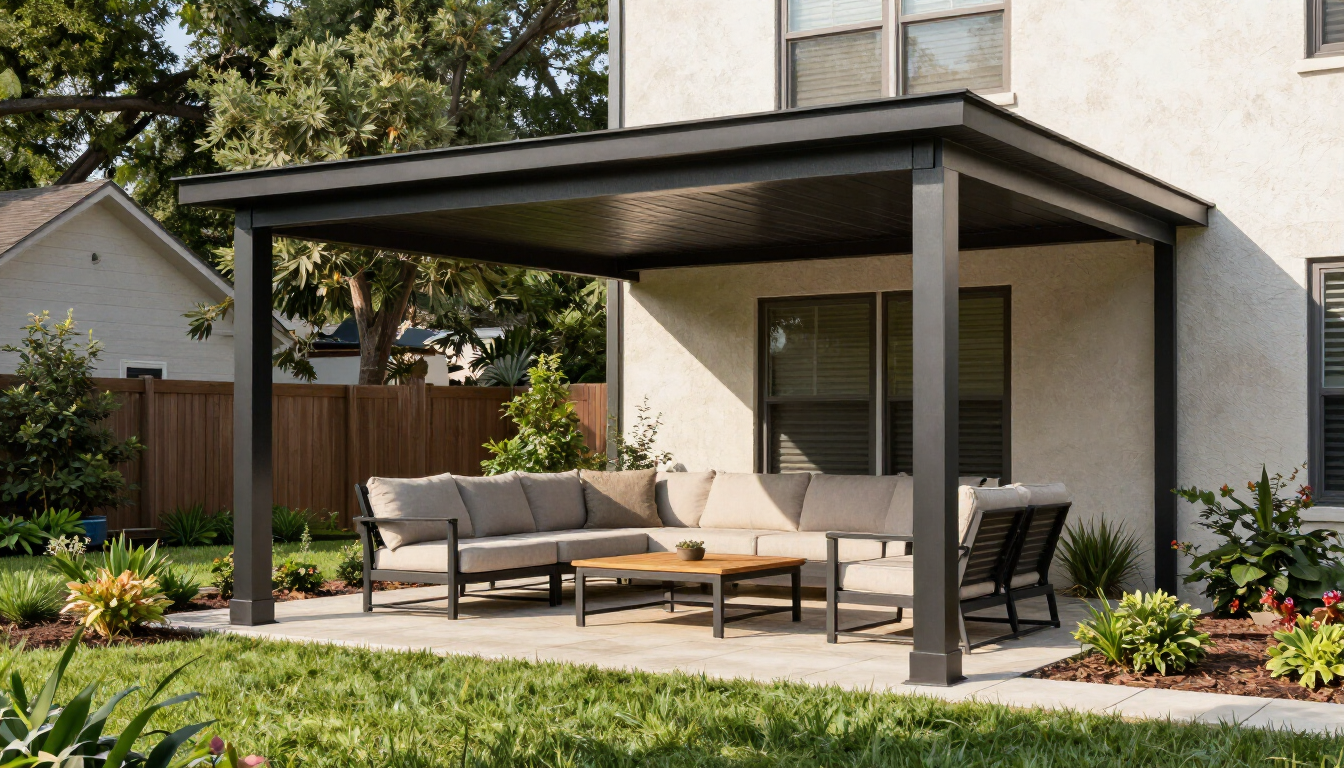
Aluminum patio cover in a Houston backyard
By Brian Sonnier • November 1, 2026
Compare patio cover financing options and learn what warranties typically cover, from materials and paint finish to workmanship, before hiring a Houston contractor.
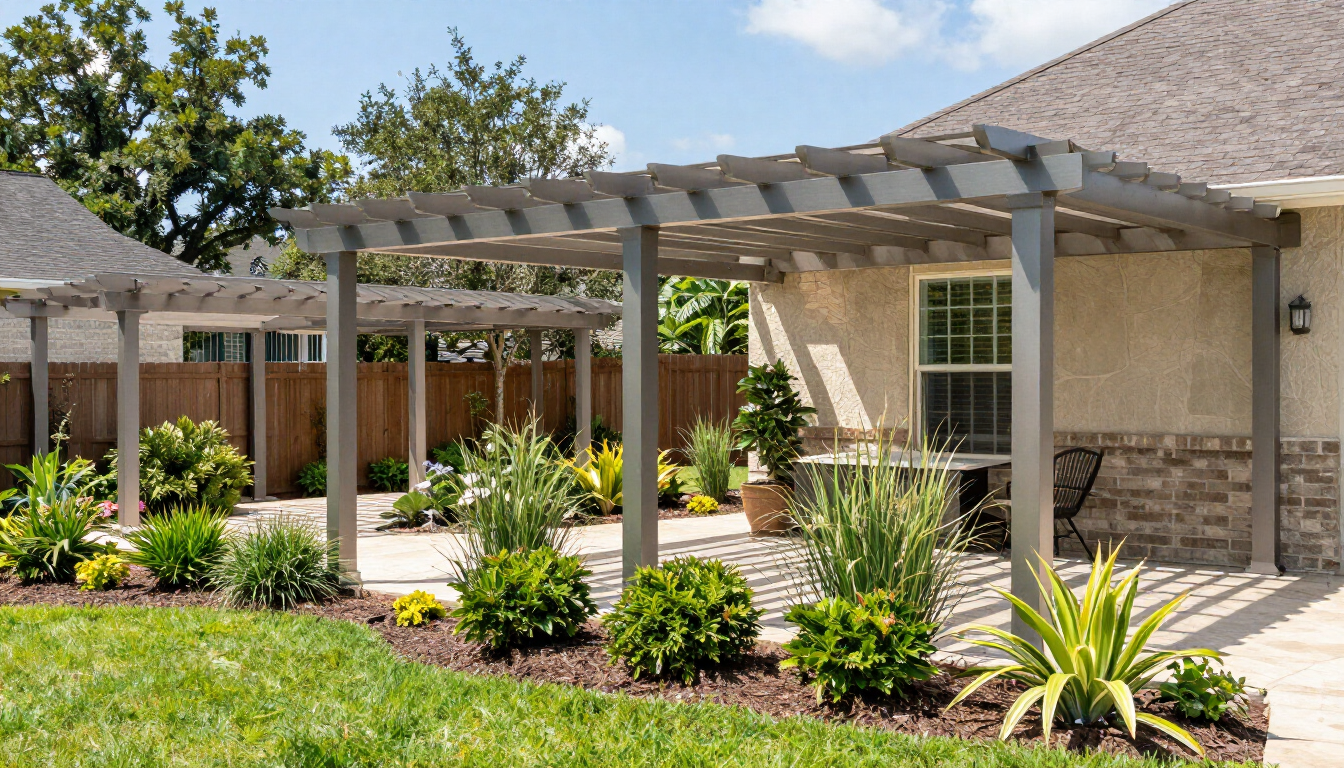
Aluminum pergola vs patio cover in a Houston backyard
By Brian Sonnier • November 1, 2026
Compare an aluminum pergola vs patio cover in Houston for shade, rain protection, cost, permits, and the best fit for your backyard.
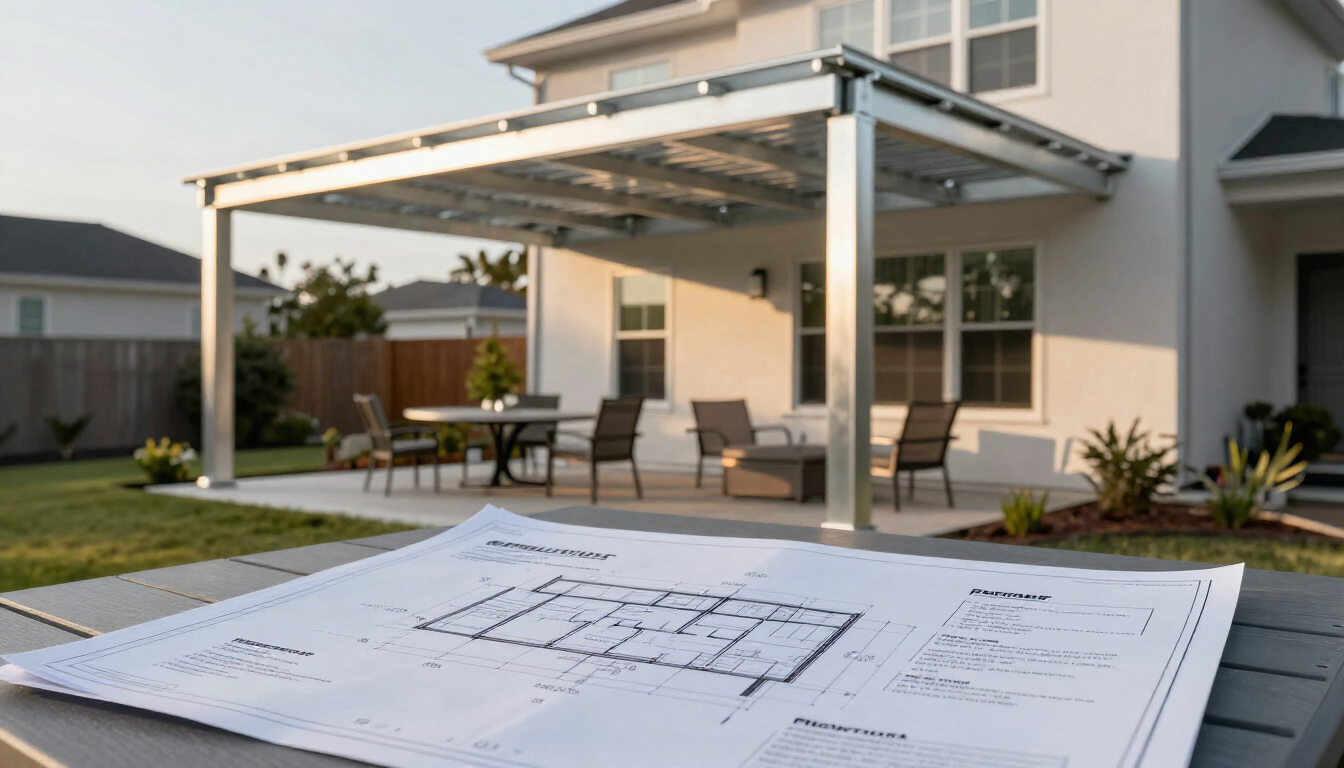
Patio cover permit plans for a Houston backyard
By Brian Sonnier • November 1, 2026
Learn who issues patio cover permits in Houston, Harris County, and Fort Bend County, what documents you need, how inspections work, and how to avoid delays.
Patio cover cost in Houston, TX
By Brian Sonnier • October 6, 2026
See estimated 2026 patio cover and screen enclosure costs in Houston, including aluminum, Alumawood, insulated panels, installation, permits, and add-ons.
Trusted patio builder Houston custom aluminum patio cover and screen enclosure
By Brian Sonnier • September 23, 2026
Learn what to look for in a trusted patio builder in Houston, from experience and materials to permits, warranties, project photos, and clear estimates.
Insulated aluminum roof panels on a Houston patio cover
By Brian Sonnier • September 23, 2026
Learn how insulated aluminum roof panels work, their benefits, costs, insulation value, and how to choose the right patio cover roofing for your Houston home.
Pergola design ideas for Texas heat with shaded outdoor seating
By Brian Sonnier • September 23, 2026
Explore practical pergola design ideas for Texas heat, including shade, airflow, materials, and layout tips for comfortable Houston-area outdoor living.
Building a patio cover in Houston to meet local building codes
By Brian Sonnier • September 23, 2026
Learn how to build a patio cover that meets Houston building codes, including permits, setbacks, wind loads, drainage, inspections, and contractor tips.

Show More