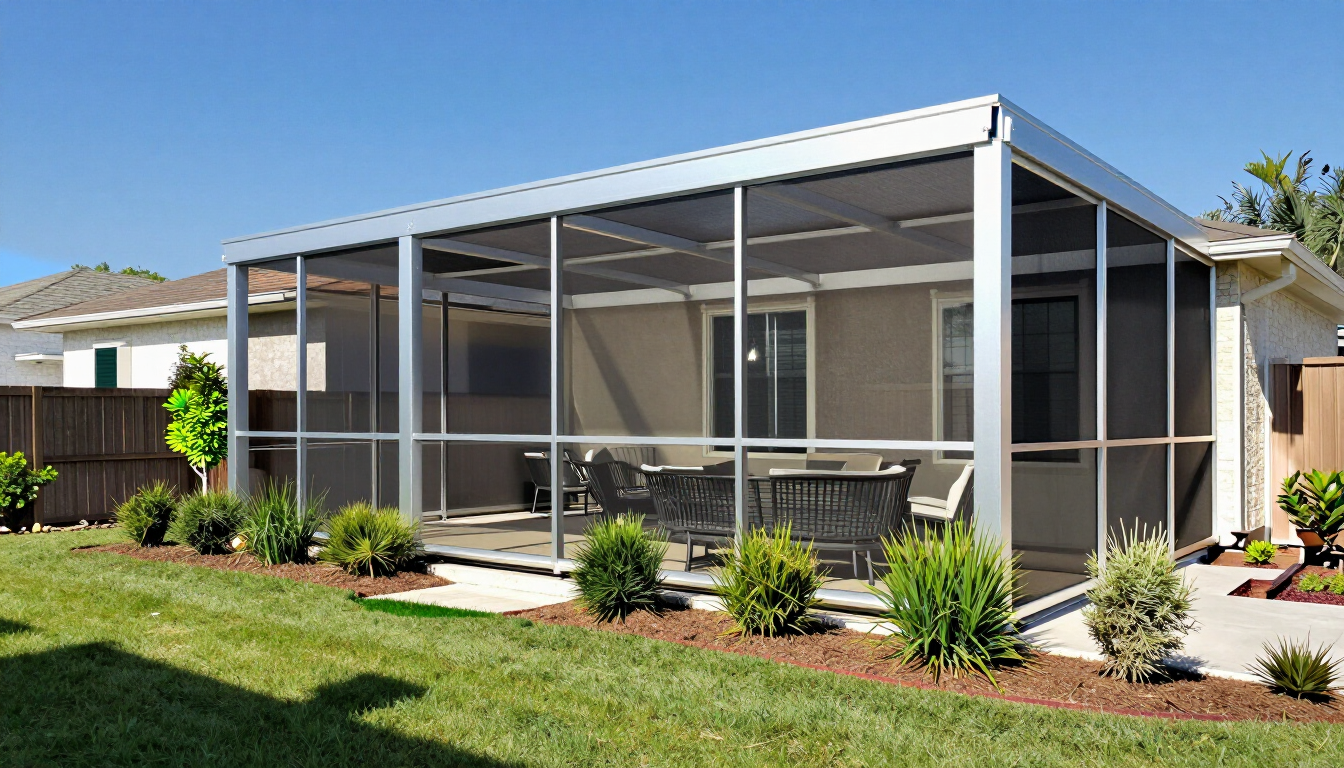
5 Energy-Efficient Patio Cover Benefits
Energy-efficient patio covers help reduce direct sun on your patio, exterior walls, doors, and nearby windows. By lowering heat around the home, they can make outdoor spaces more comfortable and reduce how hard your air conditioner works. The result is a cooler living environment, improved outdoor usability, and potential energy savings.
How Do Energy-Efficient Patio Covers Work?
An uncovered patio absorbs sunlight throughout the day. That heat radiates from concrete, furniture, walls, and windows, increasing the temperature around your home. In Houston’s hot, humid climate, this can add to the cooling load placed on your air conditioner.
A patio cover creates a layer of shade between the sun and those surfaces. Depending on its size, position, roof design, and materials, it can:
- Block intense direct sunlight
- Keep patio surfaces cooler
- Reduce heat transfer through nearby doors and windows
- Make outdoor seating more comfortable
- Help limit the amount of heat surrounding the home
A covered patio will not replace insulation, efficient windows, or a well-maintained HVAC system. However, it can complement those improvements by reducing solar heat before it reaches the house.
What Are the Energy Benefits of a Covered Patio?
1. Less Solar Heat Near the Home
Sunlight can heat exterior walls, patio doors, and windows. A properly designed cover blocks much of that radiation, creating a cooler buffer along the side of your home. This is especially helpful when the patio faces west or southwest and receives strong afternoon sun.
2. A More Comfortable Outdoor Living Area
Energy efficiency is not only about utility bills. A shaded patio is easier to use for meals, relaxing, entertaining, or watching children play. When the surface and surrounding air feel cooler, your family may spend more time outdoors instead of turning up indoor cooling.
3. Potentially Lower Cooling Demand
When less heat reaches the home, your air conditioner may not need to run as frequently or for as long during sunny periods. Actual savings depend on factors such as your home’s orientation, window placement, insulation, thermostat settings, and the cover’s design.
The best way to think about a patio cover is as one part of a whole-home efficiency strategy—not a guaranteed reduction on every energy bill.
4. Cooler Patio Materials and Furniture
Direct sun can make concrete, pavers, metal furniture, and outdoor fabrics uncomfortably hot. Shade helps reduce those surface temperatures, protects furnishings from prolonged UV exposure, and makes the area more inviting throughout the day.
5. Better Use of Existing Outdoor Space
A patio that is too hot to use has limited value. By improving comfort without relying entirely on outdoor fans or portable cooling equipment, a cover can make your existing square footage work harder for your household.
Which Patio Cover Materials Support Energy Efficiency?
Aluminum Patio Covers
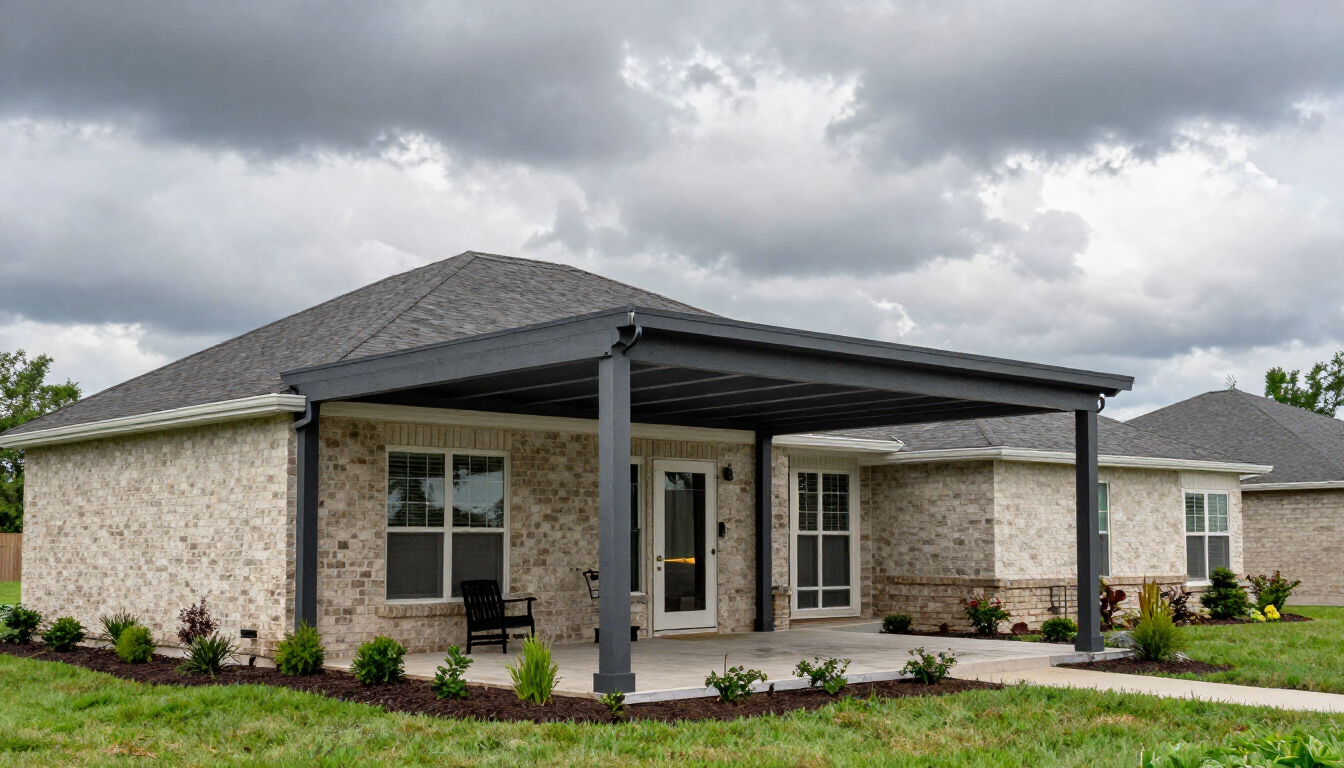
Aluminum is a popular choice for homeowners who want durable, low-maintenance shade. A light-colored aluminum roof can reflect more sunlight than a dark surface, while the structure provides consistent protection from direct heat. Aluminum also resists common outdoor problems such as rot, insects, and moisture damage.
Explore aluminum patio covers to see how this option may fit your home.
Pergolas and Adjustable Shade
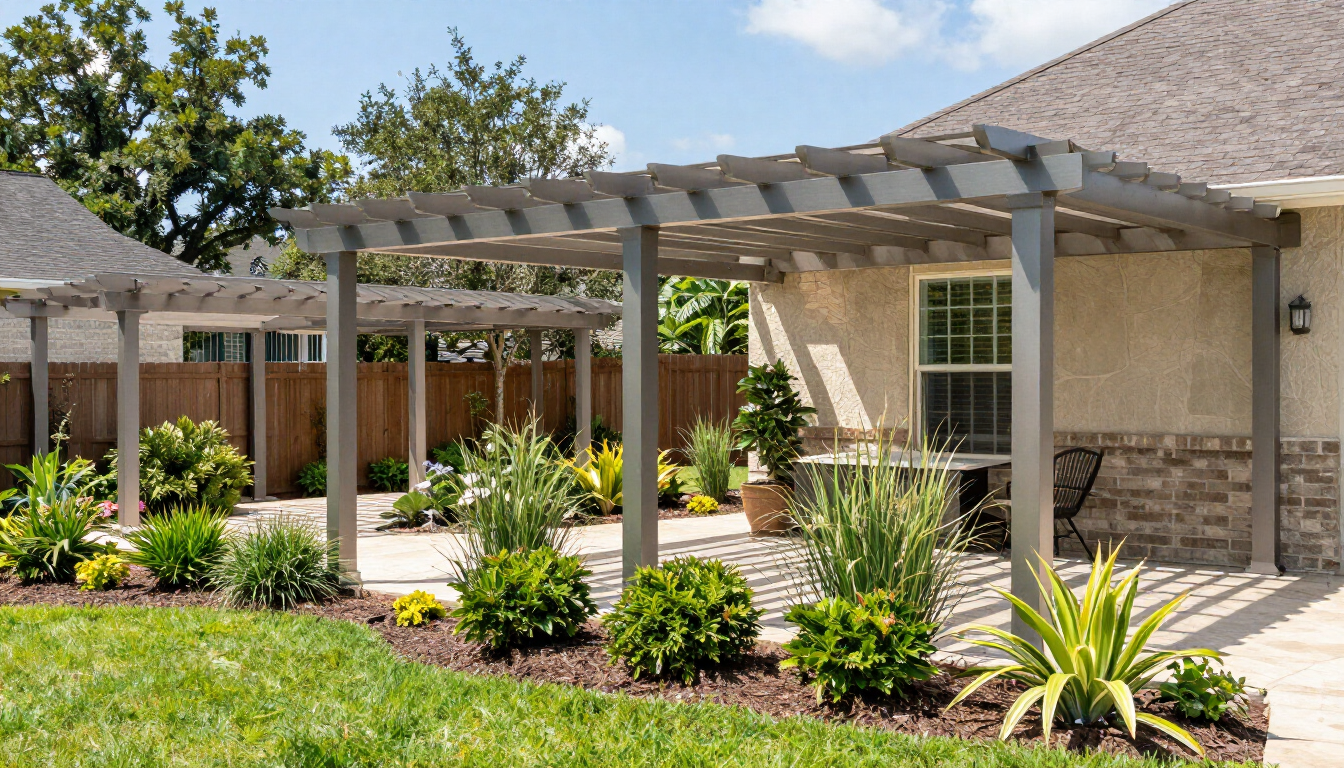
Pergolas can provide attractive partial shade, particularly when paired with a roof system, shade panels, or climbing plants. They may be a good choice when homeowners want a more open feeling while still reducing direct sunlight in selected areas.
Learn more about pergolas and compare visual options in the pergola photo gallery.
Solid-Roof Patio Covers
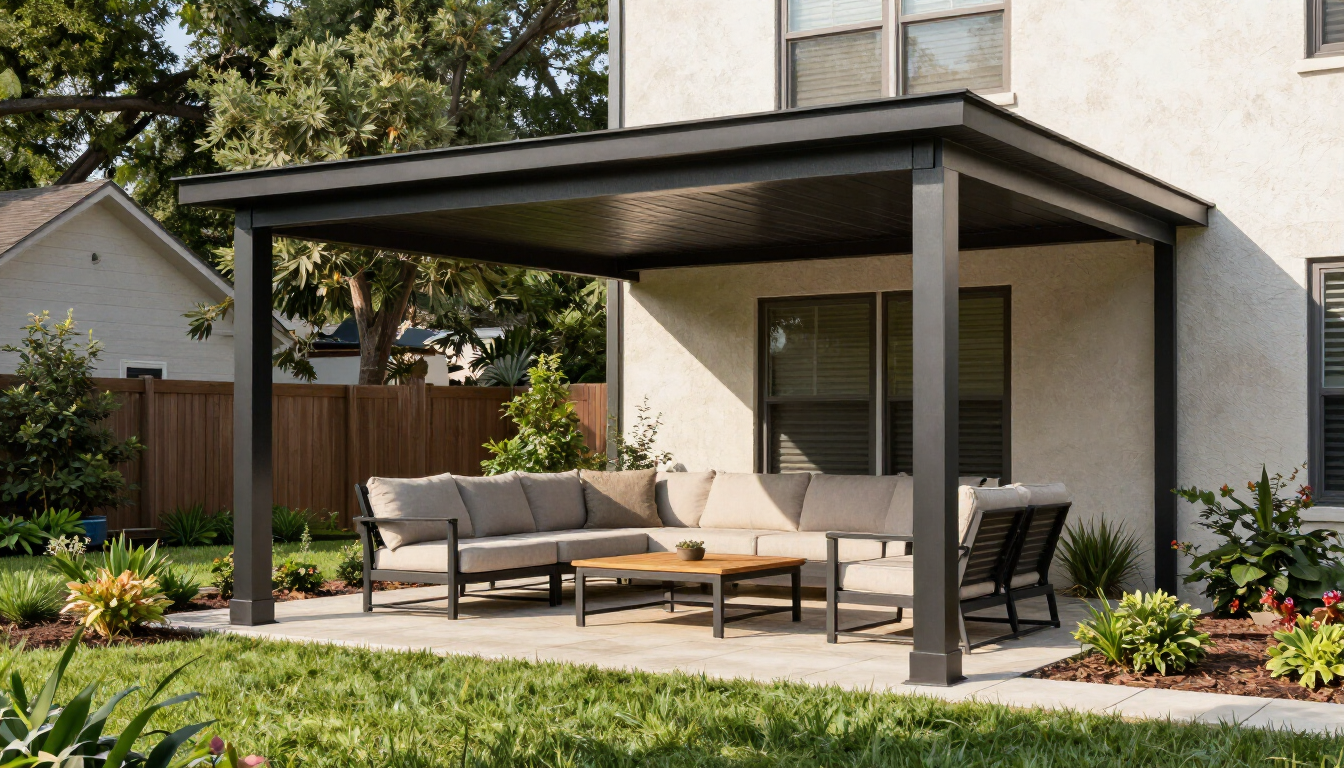
A solid roof generally provides more dependable shade than an open-lattice design. It can be particularly useful over west-facing patios or areas located beside large windows. Roof pitch, drainage, ventilation, and placement all affect performance.
How Should You Position a Patio Cover for Maximum Shade?
Placement matters as much as material. Before choosing a design, consider:
- The patio’s direction: West-facing areas often need protection from low afternoon sun.
- Window and door locations: Covering the openings that receive direct light may help reduce indoor heat.
- Seasonal sun angles: The sun sits lower in winter and higher in summer, changing how shade falls.
- Roof height: A cover that is too high may allow more sunlight underneath, while one that is too low may restrict airflow.
- Ventilation: Houston’s humidity makes airflow important for comfort and moisture management.
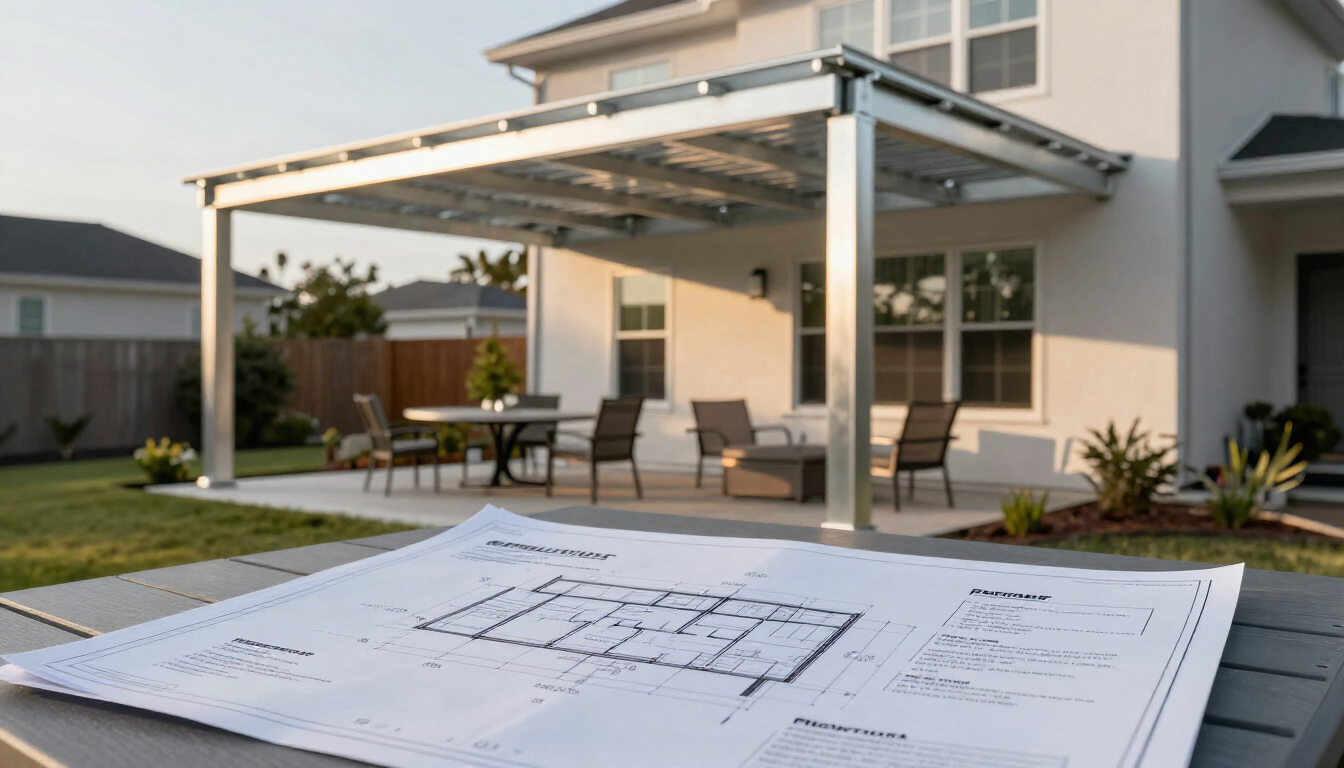
A professional evaluation can help balance shade, drainage, appearance, access, and local requirements. Lone Star Patio Covers & Enclosures serves homeowners across the Greater Houston area, including Katy, Cypress, Spring, The Woodlands, Richmond, and surrounding communities. Visit the services page to review available options.
Can a Patio Cover Lower My Energy Bill?
It may help lower cooling demand, but no contractor can promise a specific energy-bill reduction without evaluating the home. Savings depend on several variables:
- How much direct sunlight reaches the home now
- The patio’s orientation and proximity to windows
- Existing insulation, windows, and air sealing
- The cover’s size, color, roof style, and height
- Household thermostat habits and HVAC condition
A cover tends to offer the greatest practical benefit when it shades heat-sensitive areas, such as sunny windows, patio doors, and walls that warm up during the afternoon. Ask for a design that addresses those areas rather than selecting a structure based only on appearance.
What Should Homeowners Consider Before Installation?
Use this quick planning checklist:
- Identify the hottest time of day on your patio.
- Note which windows and doors receive direct sunlight.
- Decide whether you prefer full shade or filtered light.
- Consider drainage, ventilation, lighting, fans, and outdoor furniture.
- Review local permitting and property-line requirements.
It is also helpful to think about how you will use the space. A dining area may benefit from full overhead protection, while a garden or grilling area may need a combination of shade and ventilation. Homeowners who want protection from insects may also compare a cover with patio enclosures.
Are Covered Patios Worth It in Houston?
For many Houston-area homeowners, a covered patio is valuable because it addresses three common problems at once: intense sun, uncomfortable outdoor temperatures, and underused backyard space. The energy benefit is one advantage, but the everyday comfort and added usability may be just as important.
Aluminum structures can also be a practical long-term choice because they require less maintenance than many wood alternatives. A well-planned cover should complement the home, manage rainwater, provide appropriate shade, and remain comfortable during the seasons when you use it most.
Frequently Asked Questions
Do patio covers keep the house cooler?
They can help keep nearby rooms cooler by shading walls, windows, and doors. The effect varies with orientation, construction, roof design, and existing energy-efficiency features.
Is a pergola as effective as a solid patio cover?
A pergola usually provides partial or filtered shade, while a solid patio cover offers more consistent protection from direct sun and rain. The better choice depends on your comfort, appearance, ventilation, and weather-protection goals.
What color patio cover is best for energy efficiency?
Lighter colors generally reflect more sunlight than darker colors and may stay cooler. However, orientation, roof coverage, ventilation, and installation quality also have a major influence.
Does an aluminum patio cover require much maintenance?
Aluminum typically requires limited maintenance compared with wood. Routine cleaning and occasional inspection of fasteners, drainage, and seals can help keep the structure looking and performing well.
Make Your Patio More Energy Efficient
Energy-efficient patio covers reduce direct solar heat, improve outdoor comfort, and may help lower cooling demand near shaded parts of the home. They work best when matched to your patio’s direction, windows, roof height, ventilation needs, and everyday use. Start by observing where and when your patio gets hottest, then compare solid aluminum covers, pergolas, and enclosure options. If you are planning a project in the Greater Houston area, review Lone Star’s projects or contact the team to discuss a design suited to your home.