
How to Plan Patio Covers in Katy & Cypress

Brian Sonnier • September 23, 2026

Patio cover construction in Katy and Cypress helps homeowners create cooler, more useful outdoor living space while adding lasting value to their property. The best project starts with a clear use plan, durable materials, drainage and permit considerations, and an experienced local contractor familiar with Texas heat, storms, and neighborhood requirements.

Why is home improvement growing in Katy and Cypress?

Katy and Cypress continue to attract homeowners who want more space, convenience, and comfort without moving. New communities, established neighborhoods, and ongoing population growth are all supporting a strong home improvement market across the west and northwest Houston area.

For many homeowners, the backyard is the next unfinished room. A patio cover can turn a hot concrete slab into a shaded area for morning coffee, family meals, weekend entertaining, or watching children play. Compared with a full room addition, it can also deliver a practical upgrade with less disruption and a simpler construction process.

Local home improvement demand is being shaped by several factors:

  • More homeowners are investing in the property they already own.
  • Texas heat makes shade and outdoor comfort especially valuable.
  • Flexible outdoor areas support entertaining, dining, and relaxation.
  • Durable improvements can strengthen curb appeal and resale appeal.
  • Homeowners want customized solutions rather than one-size-fits-all kits.

A patio cover is not only a cosmetic addition. Properly designed construction considers roof attachment, posts, wind exposure, drainage, finish, and how the structure connects to the home. That is why choosing a contractor with local experience matters.

What should you decide before patio cover construction?

Before requesting estimates, clarify how you expect to use the space. A homeowner who wants a shaded grill area may need a different design from someone planning an outdoor dining room or a screened retreat.

Think through these questions:

  1. What activities will the space support? Decide whether you need room for seating, dining, a grill, a hot tub, storage, or multiple uses.
  2. How much shade do you want? A solid aluminum cover provides dependable protection from direct sun and rain, while a pergola creates a more open, architectural feel.
  3. Should the structure attach to the house or stand independently? The home’s layout, roofline, foundation, and existing slab can influence this decision.
  4. Do you want more protection from insects and weather? A screened enclosure may be the better choice when you want to enjoy the outdoors with fewer interruptions.
  5. What appearance fits your home? Consider roof style, color, trim, post placement, and the relationship between the addition and your existing exterior.

Reviewing your goals early makes the design conversation more productive. You can explore patio cover options and compare them with aluminum patio covers before making a decision.

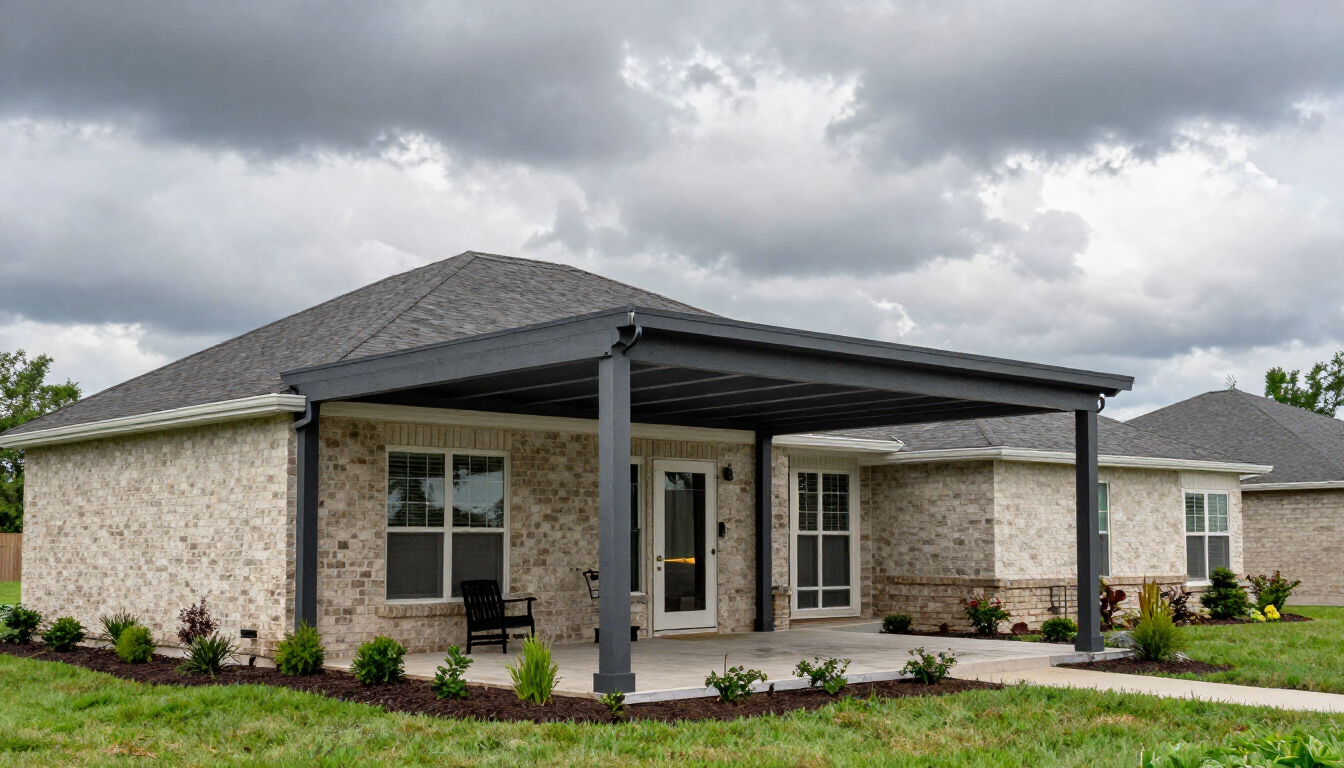
Photorealistic aluminum patio cover providing shade beside a Texas home

Aluminum patio covers for Texas conditions

Aluminum is a popular material for patio cover construction in Katy and Cypress because it offers a practical balance of durability, low maintenance, and clean appearance. It does not require the same recurring staining or sealing associated with some wood structures, and it can be designed to complement many residential styles.

A well-built aluminum cover can help create reliable shade during intense summer afternoons. It can also protect outdoor furniture from direct exposure and make the patio more comfortable after rain. The right finish and proportions help the structure look like a deliberate extension of the home rather than an afterthought.

When comparing materials, ask about:

  • Coating quality and available colors
  • Resistance to corrosion, moisture, and sun exposure
  • Roof design and water runoff
  • Post and beam sizing
  • Warranty coverage and installation standards
  • Maintenance expectations over time

Material selection should support both performance and appearance. A local professional can explain which options fit your property, budget, and intended use.

How much does patio cover construction cost?

The cost of patio cover construction depends on the project rather than a single universal price. Size, roof style, attachment method, site conditions, materials, screening, electrical work, drainage, and finish details can all affect the final estimate.

The most useful way to plan a budget is to request a site-specific proposal. A contractor should evaluate the existing slab or ground, the home’s exterior, access for installation, and the design requirements before presenting a number.

When reviewing estimates, look beyond the lowest price. Confirm whether the proposal includes:

  • Design and layout planning
  • Demolition or surface preparation, if needed
  • Posts, beams, roof panels, trim, and fasteners
  • Drainage or gutter considerations
  • Screening, doors, lighting, or electrical coordination
  • Permitting responsibilities
  • Cleanup, warranty information, and follow-up service

A clear estimate reduces surprises and makes it easier to compare contractors fairly. If your budget is limited, ask which features can be added later without compromising the main structure.

Permits, drainage, and neighborhood requirements

Patio construction can involve local building rules, property setbacks, permits, or homeowners association approval. Requirements may vary by location and by whether the structure is attached, enclosed, roofed, or near a property line.

Drainage deserves equal attention. A cover should direct water away from the home and avoid creating runoff problems for neighboring properties. The contractor should discuss roof pitch, gutters, downspouts, slab slope, and the way rainwater will move through the yard.

Before construction begins, ask who will:

  • Confirm applicable local requirements
  • Coordinate permit applications when required
  • Check measurements and property constraints
  • Protect existing landscaping and surfaces
  • Explain the construction schedule

A professional process addresses these issues before materials arrive. That preparation helps protect the investment and keeps the finished addition functional in changing Texas weather.

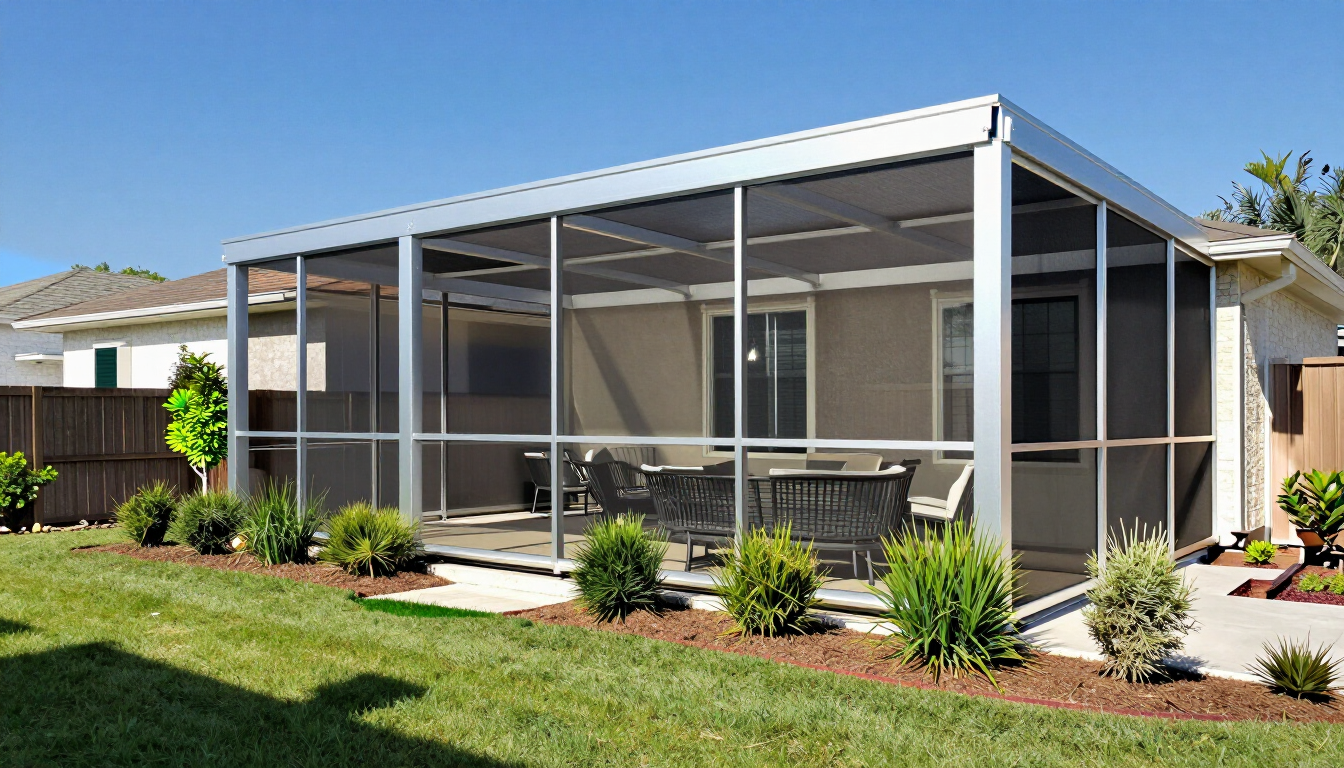
Photorealistic screened patio enclosure in a Cypress Texas backyard with comfortable furniture and natural light

Patio covers, pergolas, or screen rooms?

Each outdoor structure solves a different problem. Comparing the options by function is more helpful than choosing based only on appearance.

  • Patio covers: Best for dependable shade and rain protection over a patio or outdoor living area.
  • Pergolas: Best for an open, decorative structure that provides partial shade and strong visual character. See more pergola ideas.
  • Screen rooms: Best for homeowners who want airflow and outdoor views with added protection from mosquitoes and insects. Explore patio enclosures.
  • Combined designs: A covered and screened area can provide a more enclosed retreat for dining, relaxing, and entertaining.

Your home’s architecture and your daily habits should guide the choice. Browse completed pergola photos or review available services to see how different solutions may fit your property.

Choosing a patio contractor in Katy or Cypress

The contractor you choose influences the project’s design, workmanship, communication, and long-term performance. Look for a company that understands local residential construction and can explain recommendations in plain language.

A strong evaluation checklist includes:

  • Experience with aluminum patio covers, pergolas, or enclosures
  • A portfolio of completed work
  • Clear written estimates
  • Proof of applicable insurance and licensing
  • References or customer reviews
  • A defined warranty and service process
  • Consistent communication from consultation through completion

Ask how the company handles unexpected site conditions. You should also understand the expected timeline, payment schedule, material availability, and cleanup plan before signing an agreement. Testimonials and recent blog articlescan provide useful context as you compare local providers.

For homeowners in Katy, Cypress, and surrounding communities, Lone Star Patio Covers & Enclosures brings more than 30 years of experience to aluminum patio covers, pergolas, and screen room enclosures. The team serves the Greater Houston area with a focus on quality and customer satisfaction. You can contact Lone Star to discuss your property and project goals.

A practical planning checklist

Use this short checklist before scheduling a consultation:

  • Measure the approximate area you want to improve.
  • Photograph the home exterior, patio, yard, and access points.
  • List the activities and furniture the space must accommodate.
  • Decide whether shade, rain protection, screening, or appearance is the top priority.
  • Set a realistic budget range and identify must-have features.

Bring these notes to your consultation. They help the contractor recommend a design that fits your home instead of simply showing you a standard package.

What is the next step?

Patio cover construction in Katy and Cypress is a practical way to make a backyard more comfortable, useful, and connected to the home. Start by defining how you will use the space, then compare aluminum covers, pergolas, and screen rooms based on shade, weather protection, maintenance, appearance, and budget. Request a detailed site evaluation and written estimate from an experienced local contractor. Before work begins, confirm drainage, permits, neighborhood requirements, materials, timeline, and warranty coverage. With that preparation, you can choose an outdoor improvement that fits your property and provides dependable enjoyment for years.

Recent Posts

Aluminum patio cover and screen enclosure in The Woodlands, TX
By Brian Sonnier • November 1, 2026
See how a The Woodlands homeowner combined an aluminum patio cover and screen enclosure for shade, comfort, and low-maintenance outdoor living with Lone Star Patio Covers & Enclosures.
Hurricane wind ratings for an aluminum patio cover in Houston
By Brian Sonnier • November 1, 2026
Learn how hurricane wind ratings, engineering, hail, and heavy rain affect aluminum patio covers in Houston—and what to ask your contractor before building.
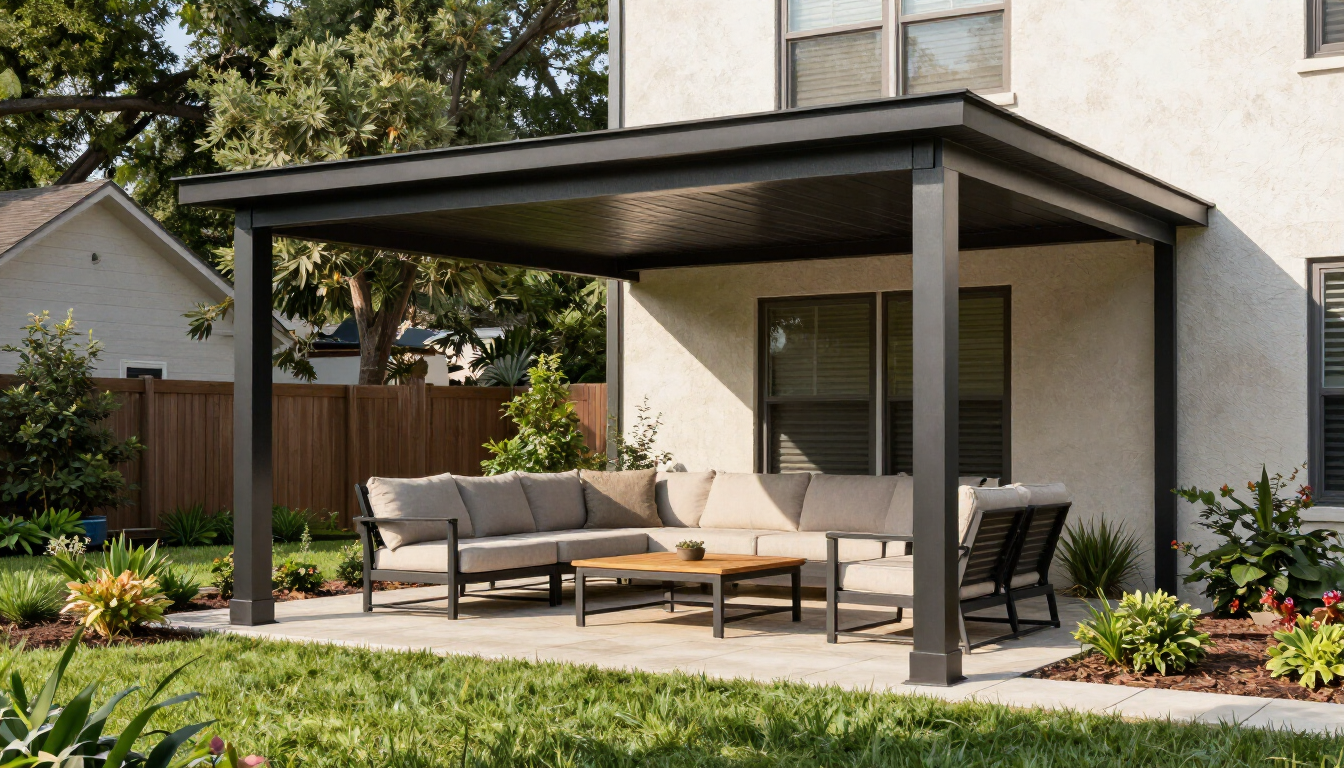
Aluminum patio cover in a Houston backyard
By Brian Sonnier • November 1, 2026
Compare patio cover financing options and learn what warranties typically cover, from materials and paint finish to workmanship, before hiring a Houston contractor.
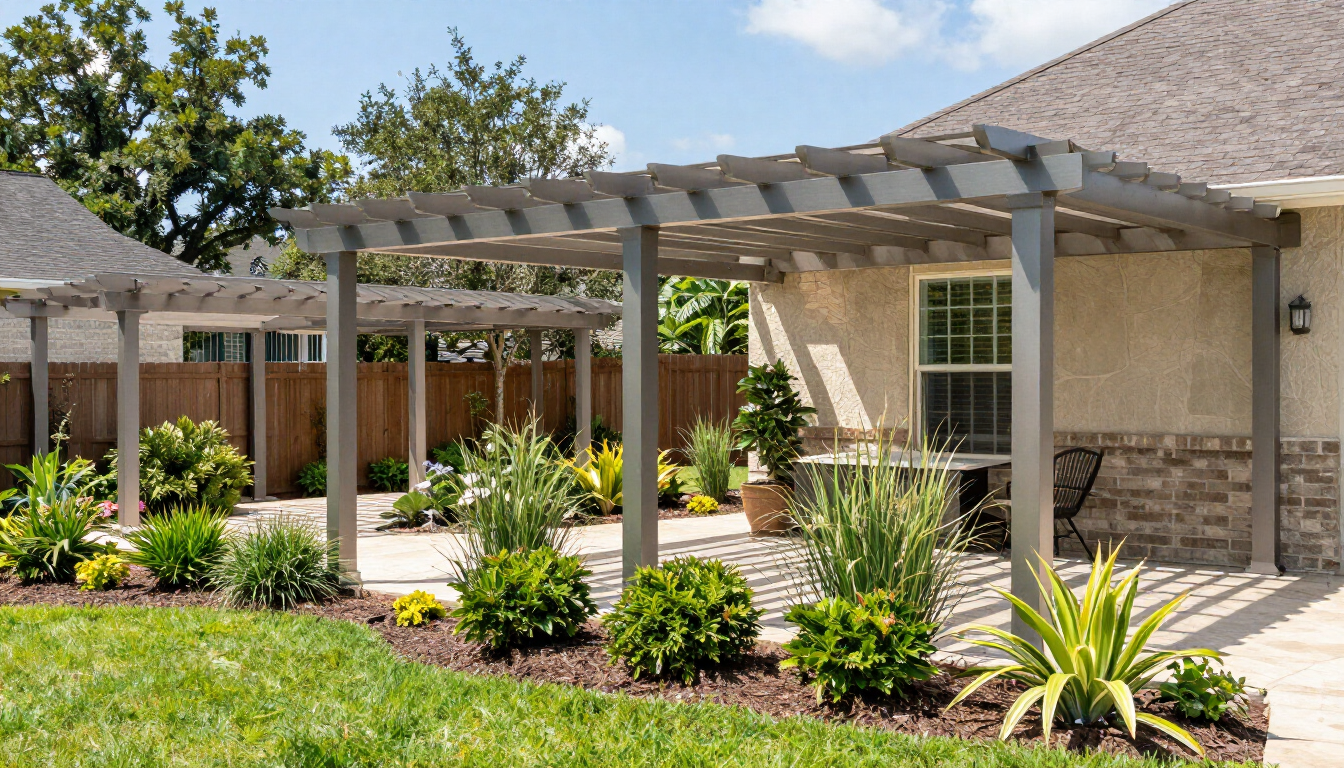
Aluminum pergola vs patio cover in a Houston backyard
By Brian Sonnier • November 1, 2026
Compare an aluminum pergola vs patio cover in Houston for shade, rain protection, cost, permits, and the best fit for your backyard.
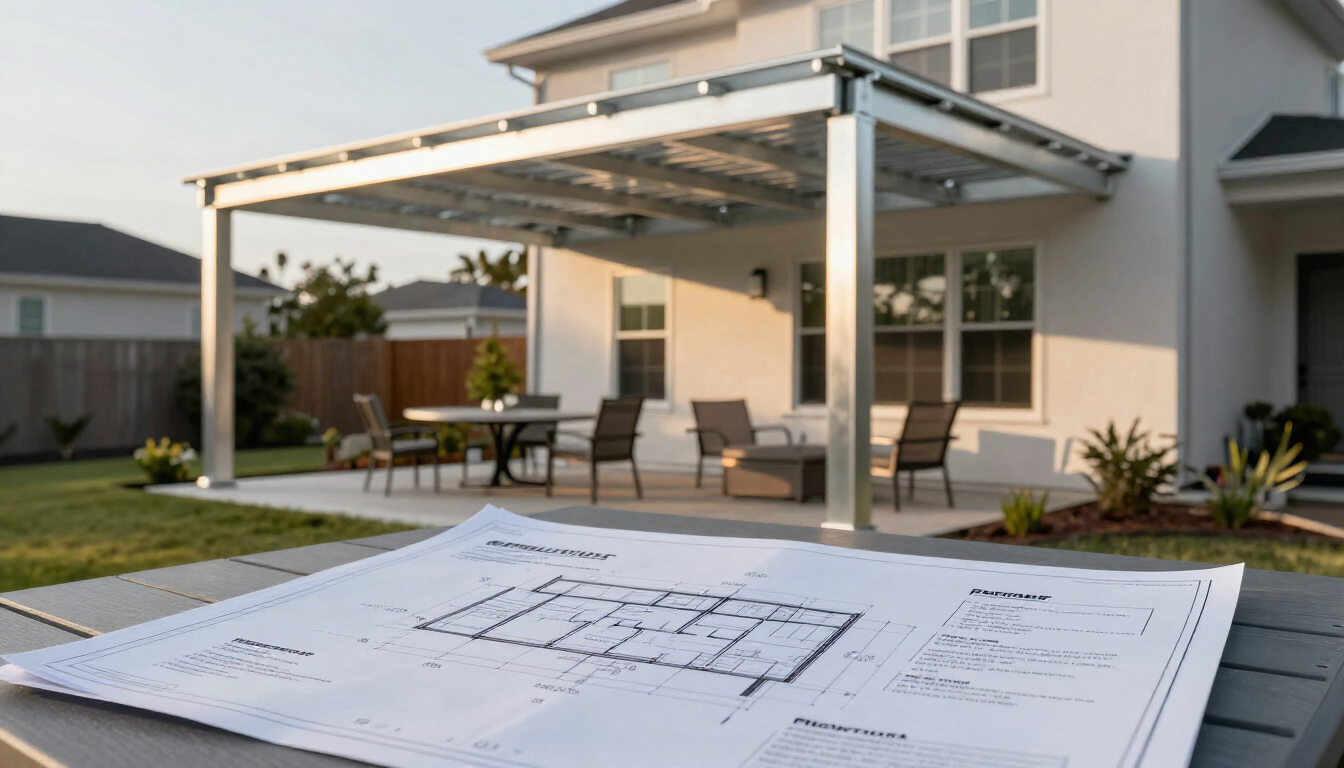
Patio cover permit plans for a Houston backyard
By Brian Sonnier • November 1, 2026
Learn who issues patio cover permits in Houston, Harris County, and Fort Bend County, what documents you need, how inspections work, and how to avoid delays.
Patio cover cost in Houston, TX
By Brian Sonnier • October 6, 2026
See estimated 2026 patio cover and screen enclosure costs in Houston, including aluminum, Alumawood, insulated panels, installation, permits, and add-ons.
Trusted patio builder Houston custom aluminum patio cover and screen enclosure
By Brian Sonnier • September 23, 2026
Learn what to look for in a trusted patio builder in Houston, from experience and materials to permits, warranties, project photos, and clear estimates.
Insulated aluminum roof panels on a Houston patio cover
By Brian Sonnier • September 23, 2026
Learn how insulated aluminum roof panels work, their benefits, costs, insulation value, and how to choose the right patio cover roofing for your Houston home.
Pergola design ideas for Texas heat with shaded outdoor seating
By Brian Sonnier • September 23, 2026
Explore practical pergola design ideas for Texas heat, including shade, airflow, materials, and layout tips for comfortable Houston-area outdoor living.
Building a patio cover in Houston to meet local building codes
By Brian Sonnier • September 23, 2026
Learn how to build a patio cover that meets Houston building codes, including permits, setbacks, wind loads, drainage, inspections, and contractor tips.

Show More