
5 Ways Aluminum Patio Covers Build Greener

Brian Sonnier • September 23, 2026

Aluminum patio covers are a sustainable choice for Texas homeowners because they use a durable, recyclable material that resists rot, insects, and moisture. By shading windows and outdoor spaces, they can also reduce heat gain, extend furniture life, and create comfortable living areas with less maintenance and fewer replacements.

Why are aluminum patio covers a green building choice?

Green building is not limited to solar panels or high-efficiency appliances. It also includes choosing durable materials, reducing waste, and designing a home to use energy and resources wisely. An aluminum patio cover supports those goals in several practical ways:

  • Long service life: Quality aluminum does not rot, warp, or attract termites.
  • Lower replacement waste: A durable structure is less likely to be torn out and replaced.
  • Recyclable material: Aluminum can be recycled at the end of its useful life.
  • Reduced upkeep: It typically needs cleaning rather than staining, sealing, or repainting.
  • Passive cooling: Shade can make adjacent rooms and outdoor areas more comfortable.

For homeowners in Houston, Katy, Cypress, The Woodlands, and surrounding communities, these benefits matter. Texas sun, humidity, heavy rain, and seasonal storms can be hard on outdoor construction. A well-designed cover is built to provide dependable shade while requiring fewer ongoing resources.

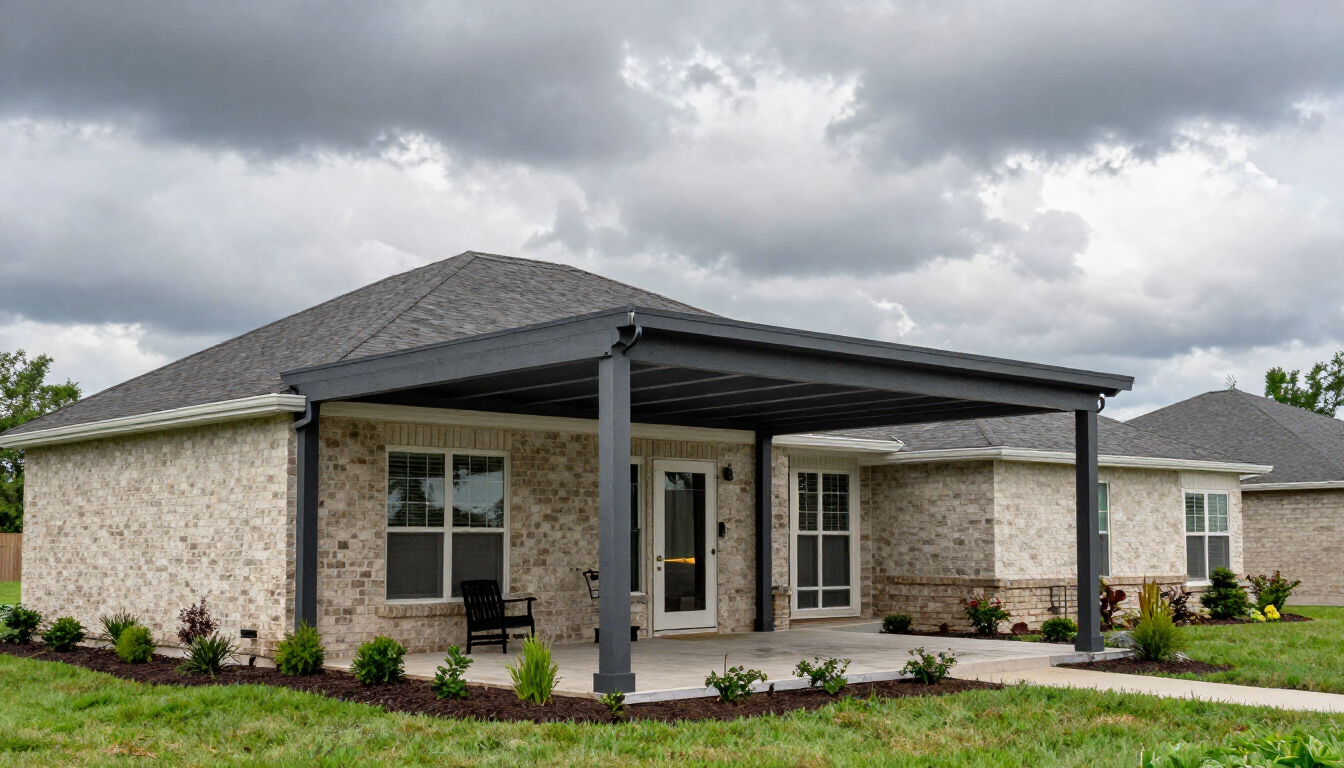
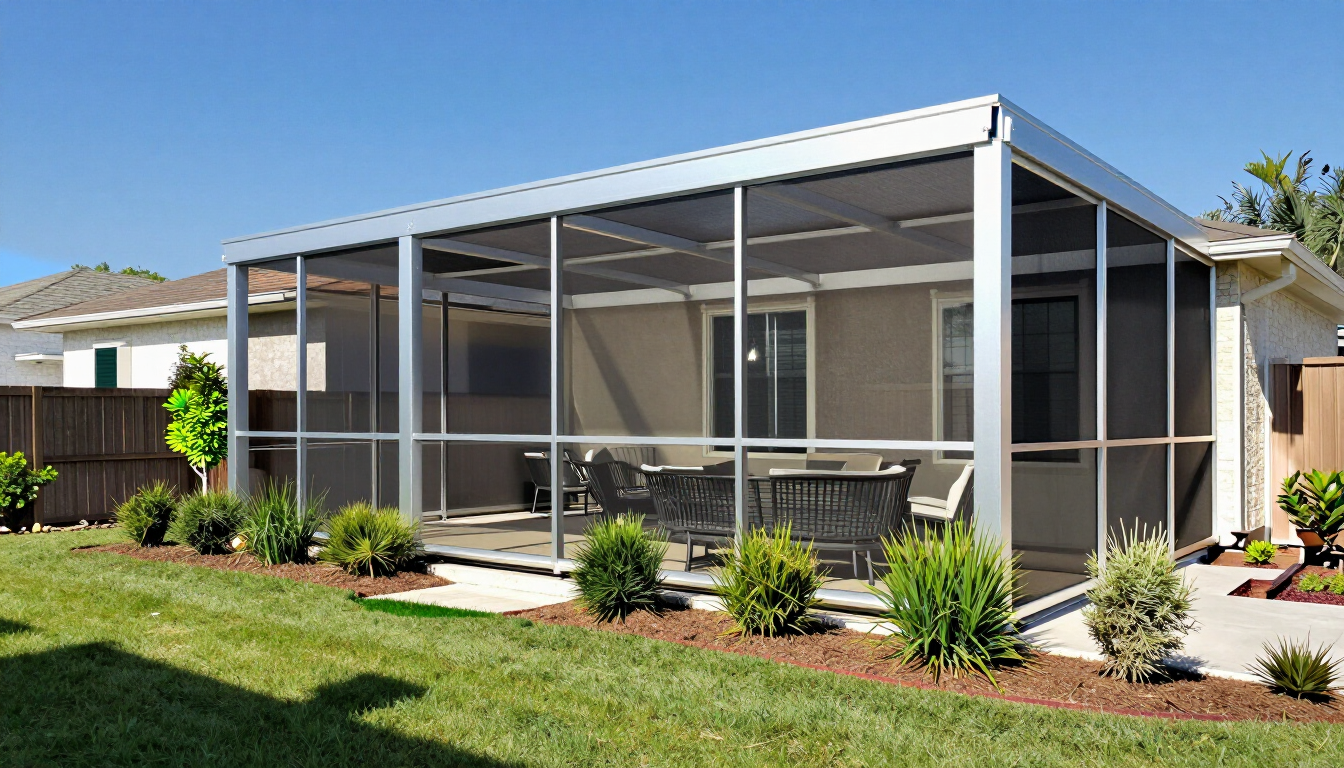
Photorealistic aluminum patio cover shading a Texas home and native garden

How do aluminum patio covers reduce home heat gain?

Direct sunlight can heat patios, doors, windows, and exterior walls. That heat may transfer indoors, making nearby rooms warmer and encouraging greater air-conditioning use. A patio cover creates a layer of shade between the sun and the home.

The effect depends on orientation, roof design, ventilation, nearby windows, and the home’s insulation. However, thoughtful placement can help homeowners manage intense afternoon sun and make outdoor living more usable during much of the year.

A cover may also protect patio furniture, flooring, grills, and outdoor décor from constant ultraviolet exposure. Items that last longer do not need to be replaced as frequently, which helps reduce consumption and household waste.

For more information about available designs, explore Lone Star’s aluminum patio cover options.

Material advantages that matter in Texas

Aluminum is especially practical for the Greater Houston climate. Unlike wood, it does not absorb moisture in the same way, so it is not vulnerable to rot or peeling paint caused by repeated wet-dry cycles. It also resists insect damage and does not require regular chemical treatments for termites.

That does not mean aluminum is maintenance-free. Homeowners should still inspect fasteners, drainage paths, flashing, and connections, particularly after severe weather. Routine cleaning can help preserve the appearance and keep water moving away from the home.

A professional installation also matters. Correct slope, anchoring, ventilation, and water management help the structure perform as intended and can prevent avoidable repairs.

Can aluminum patio covers be recycled?

Yes. Aluminum is widely recyclable and can often be reprocessed without losing its basic material properties. That makes it different from many short-lived building products that are discarded after demolition or replacement.

Recyclability is only one part of sustainability. A responsible decision also considers how long the product lasts, how much maintenance it needs, how it is transported, and whether it is correctly sized for the home. A long-lasting structure that performs well can reduce the environmental impact associated with repeated renovations.

Ask your contractor about the product specifications and local recycling practices. You can also request information about the expected service life, finish, warranty, and replacement components before approving a project.

5 ways to make your patio project more sustainable

  1. Choose a durable design. Select a cover sized for your home and intended use instead of building more structure than necessary.
  2. Plan for shade. Consider the sun’s path, window locations, and the times your family uses the patio.
  3. Use efficient drainage. Gutters, downspouts, and appropriate grading can help protect landscaping and prevent erosion.
  4. Add climate-appropriate landscaping. Native or adapted plants often need less irrigation once established.
  5. Keep the structure maintained. Clean surfaces, clear drainage, and inspect connections so small issues do not become major repairs.

These steps can improve comfort and durability without turning a patio project into a complicated sustainability experiment.

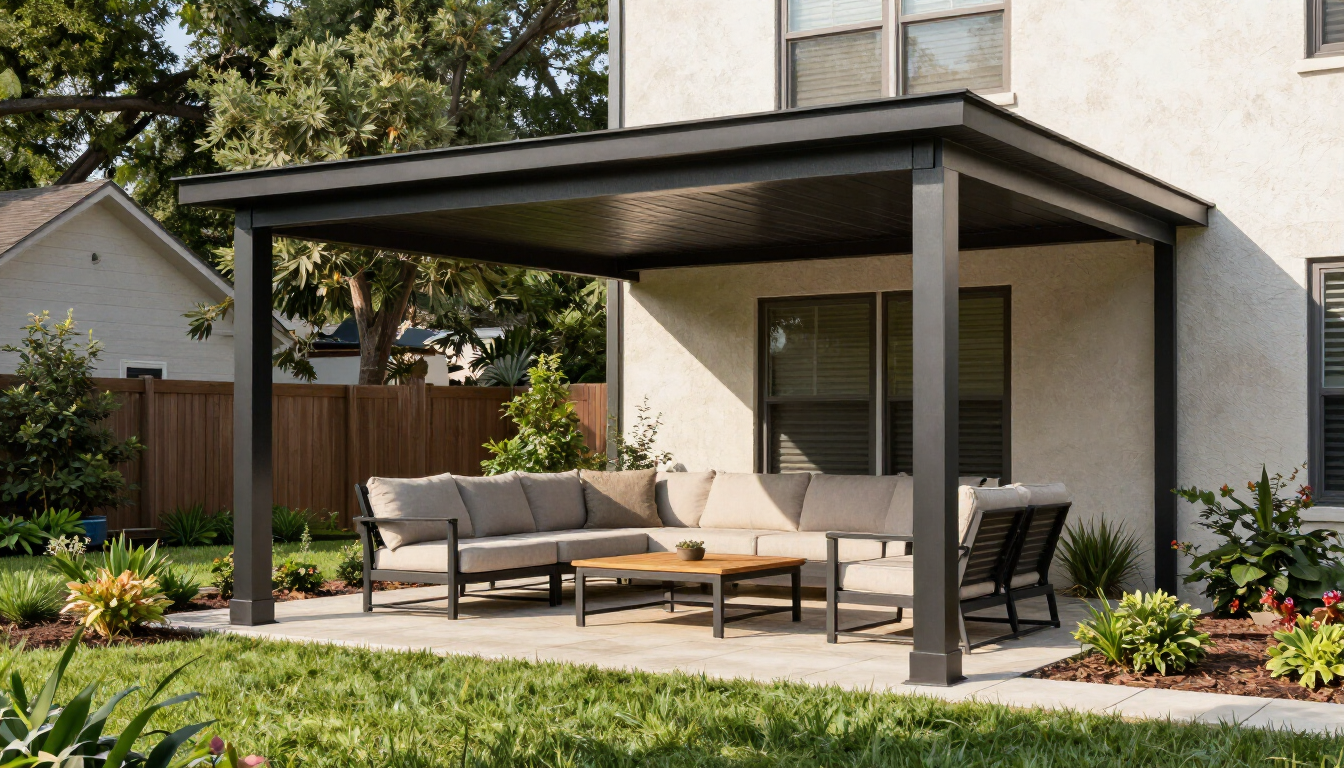
Photorealistic Texas family enjoying a shaded aluminum pergola beside drought-tolerant landscaping

Aluminum patio covers vs. wood: what should homeowners consider?

Both materials can create attractive outdoor spaces, but their maintenance profiles are different. Wood offers a traditional appearance and can be stained or painted in many styles. It may also require more frequent sealing, painting, pest protection, and repair, especially in a humid climate.

Aluminum offers a clean, low-maintenance appearance and predictable resistance to moisture and insects. It does not provide the same natural grain as wood, although modern finishes can complement many home styles.

The best choice depends on your budget, design preferences, maintenance expectations, and long-term plans for the property. Eco-conscious homeowners should compare the full life cycle—not only the initial price. Ask how often each material needs maintenance, how long it is expected to last, and what happens when components eventually need replacement.

See examples in the patio cover project gallery, or compare related outdoor options through patio covers and pergolas.

What should you ask an outdoor living contractor?

Before selecting a contractor, ask clear questions about both construction quality and environmental performance:

  • What aluminum grade, finish, and warranty are included?
  • How will the design manage water runoff and heavy rain?
  • What anchoring and engineering considerations apply to my property?
  • How will the cover affect nearby windows, ventilation, and sunlight?
  • Which components can be repaired or replaced individually?
  • What maintenance is recommended after installation?

A knowledgeable contractor should explain the answers in plain language and show how the proposed design fits your home. Lone Star Patio Covers & Enclosures has more than 30 years of experience serving Houston and nearby communities. You can contact the team to discuss your property, goals, and preferred style.

A practical next step for Texas homeowners

Aluminum patio covers can support greener outdoor living by combining durability, recyclability, low maintenance, and useful shade. They are especially well suited to Texas homes exposed to strong sun, humidity, rain, and insects. To choose responsibly, compare materials by their full life cycle, plan shade around your home’s orientation, and select a properly engineered design. Start by reviewing patio cover services , then request a conversation about the space you want to improve. The right cover can reduce upkeep, protect outdoor investments, and make your patio more comfortable for years.

Frequently asked questions

Are aluminum patio covers environmentally friendly?

They can be a sustainable option because aluminum is durable, recyclable, and resistant to rot and insects. Their environmental value also depends on responsible manufacturing, installation, maintenance, and eventual recycling.

Do aluminum covers make a patio cooler?

A properly designed cover blocks direct sunlight and can make the covered area more comfortable. It may also reduce heat exposure near windows, although results vary with orientation, ventilation, and the home’s construction.

Are aluminum patio covers suitable for Houston weather?

Yes, aluminum is commonly used for outdoor structures in humid climates because it does not rot and generally requires less maintenance than wood. Proper anchoring, drainage, and installation are essential for local weather conditions.

Recent Posts

Aluminum patio cover and screen enclosure in The Woodlands, TX
By Brian Sonnier • November 1, 2026
See how a The Woodlands homeowner combined an aluminum patio cover and screen enclosure for shade, comfort, and low-maintenance outdoor living with Lone Star Patio Covers & Enclosures.
Hurricane wind ratings for an aluminum patio cover in Houston
By Brian Sonnier • November 1, 2026
Learn how hurricane wind ratings, engineering, hail, and heavy rain affect aluminum patio covers in Houston—and what to ask your contractor before building.
Aluminum patio cover in a Houston backyard
By Brian Sonnier • November 1, 2026
Compare patio cover financing options and learn what warranties typically cover, from materials and paint finish to workmanship, before hiring a Houston contractor.
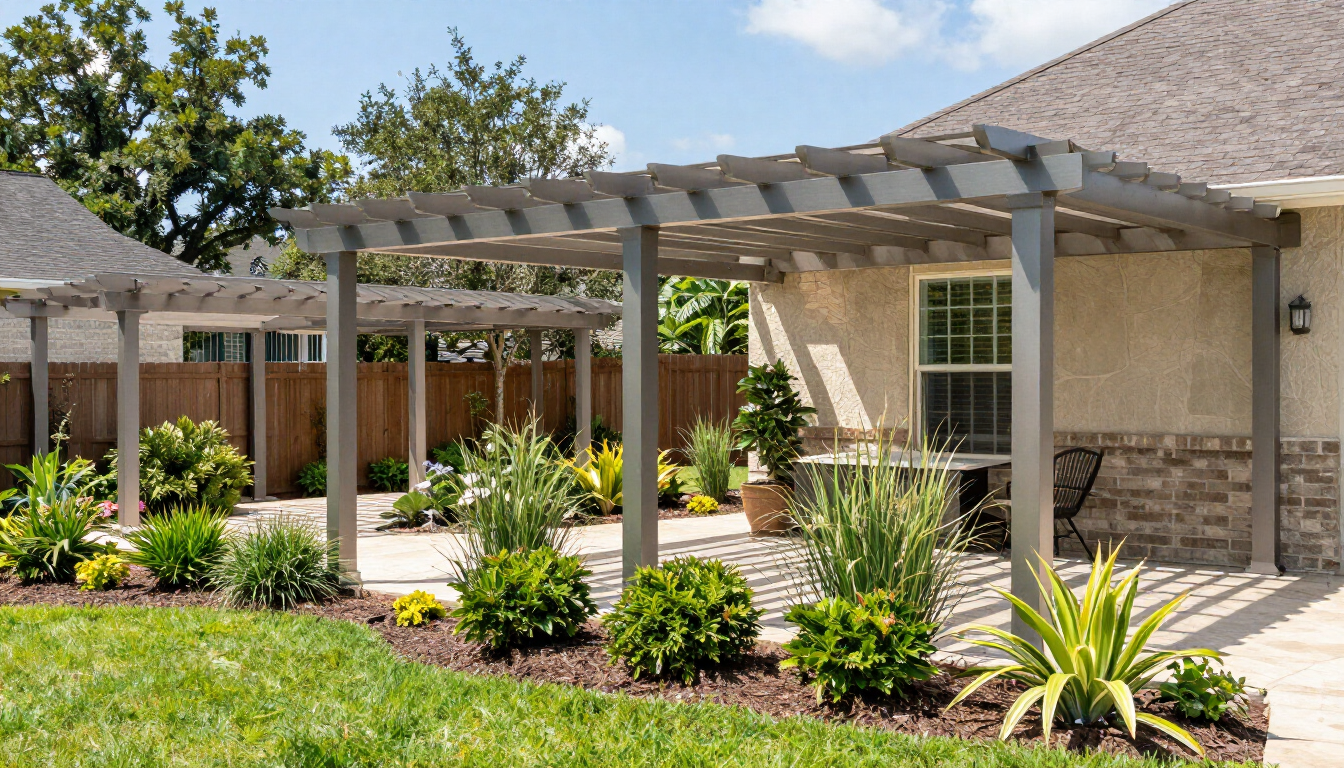
Aluminum pergola vs patio cover in a Houston backyard
By Brian Sonnier • November 1, 2026
Compare an aluminum pergola vs patio cover in Houston for shade, rain protection, cost, permits, and the best fit for your backyard.
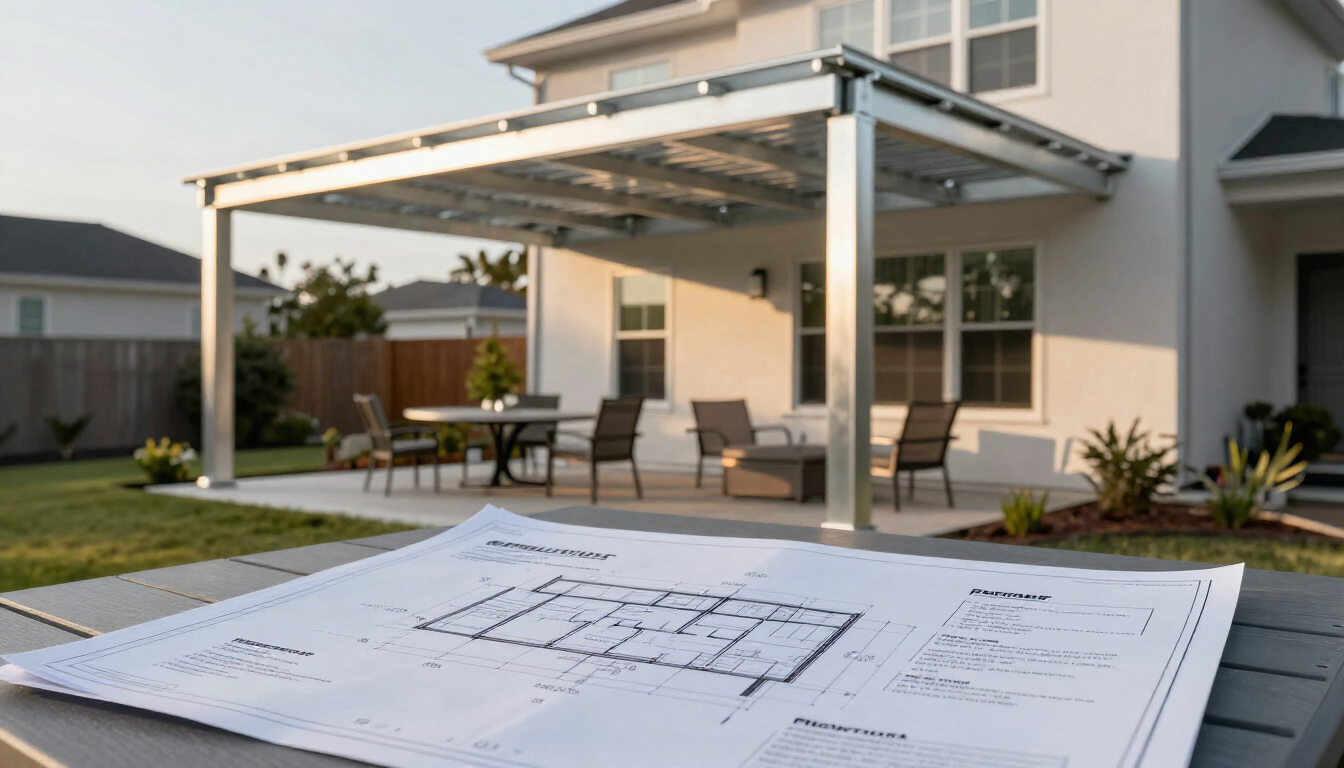
Patio cover permit plans for a Houston backyard
By Brian Sonnier • November 1, 2026
Learn who issues patio cover permits in Houston, Harris County, and Fort Bend County, what documents you need, how inspections work, and how to avoid delays.
Patio cover cost in Houston, TX
By Brian Sonnier • October 6, 2026
See estimated 2026 patio cover and screen enclosure costs in Houston, including aluminum, Alumawood, insulated panels, installation, permits, and add-ons.
Trusted patio builder Houston custom aluminum patio cover and screen enclosure
By Brian Sonnier • September 23, 2026
Learn what to look for in a trusted patio builder in Houston, from experience and materials to permits, warranties, project photos, and clear estimates.
Insulated aluminum roof panels on a Houston patio cover
By Brian Sonnier • September 23, 2026
Learn how insulated aluminum roof panels work, their benefits, costs, insulation value, and how to choose the right patio cover roofing for your Houston home.
Pergola design ideas for Texas heat with shaded outdoor seating
By Brian Sonnier • September 23, 2026
Explore practical pergola design ideas for Texas heat, including shade, airflow, materials, and layout tips for comfortable Houston-area outdoor living.
Building a patio cover in Houston to meet local building codes
By Brian Sonnier • September 23, 2026
Learn how to build a patio cover that meets Houston building codes, including permits, setbacks, wind loads, drainage, inspections, and contractor tips.

Show More