
How to Choose: Patio Cover vs Screen Enclosure

Brian Sonnier • September 23, 2026

Patio cover vs screen enclosure comes down to how you want to use your backyard. A patio cover provides shade and rain protection while keeping the area open. A screen enclosure adds walls that help block mosquitoes, leaves, and debris. Choose based on comfort, privacy, weather exposure, maintenance, budget, and future plans.

What is the difference between a patio cover and a screen enclosure?

A patio cover is a roof structure attached to or positioned beside your home. It creates a shaded outdoor area without enclosing the sides. Aluminum patio covers are especially popular because they are durable, low-maintenance, and available in several roof styles.

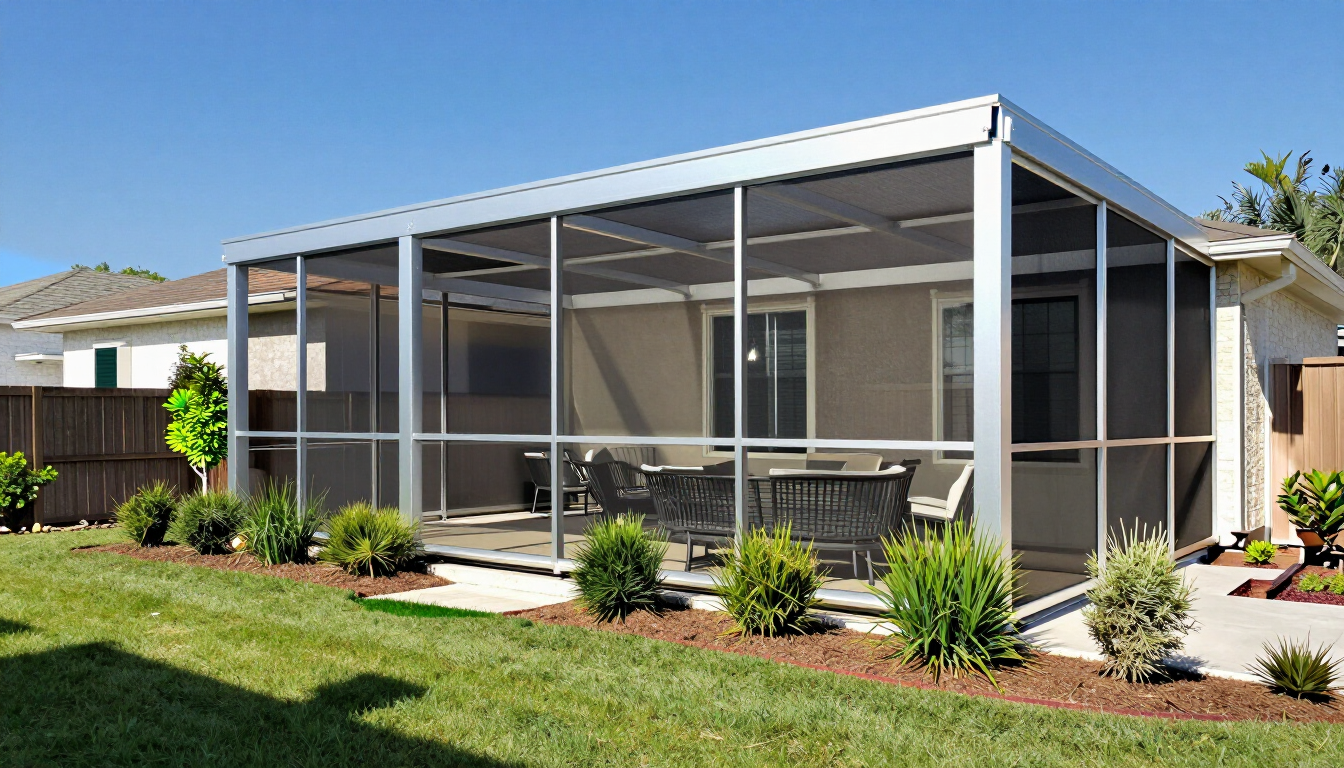
A screen enclosure , sometimes called a screen room or screened patio, includes a roof plus mesh screens around the sides. It creates a more protected outdoor room while preserving airflow and visibility.

In simple terms:

  • A patio cover focuses on shade, rain protection, and an open-air feeling.
  • A screen enclosure focuses on insect control, debris reduction, and added comfort.
  • Both can create more usable outdoor living space.
  • Either option can be customized to fit your home and backyard.

The best choice depends less on which structure is “better” and more on what bothers you most about your current patio.

Patio cover vs screen enclosure: Which one fits your lifestyle?

Think about how you spend time outdoors. If you enjoy open views, grilling, entertaining, and feeling connected to the yard, a patio cover may be the better fit. If you want to sit outside without constantly swatting mosquitoes or sweeping leaves, a screen enclosure may offer more everyday comfort.

A patio cover works well for homeowners who want to:

  • Shade a patio, deck, or outdoor kitchen
  • Protect furniture from direct sun and light rain
  • Keep an open connection to the yard
  • Create a flexible area for gatherings
  • Add attractive, practical coverage without full enclosure

A screen enclosure is often a strong choice for homeowners who want to:

  • Reduce mosquitoes and flying insects
  • Limit leaves, pollen, and outdoor debris
  • Make outdoor dining and relaxing more comfortable
  • Create a defined room for furniture or a television
  • Enjoy outdoor space more consistently during warm months

Houston’s heat, humidity, rain, and insects can make both options valuable. The right structure should respond to your actual backyard conditions rather than simply follow a trend.

Which option provides better shade and weather protection?

Both a patio cover and screen enclosure can provide excellent shade when properly designed. The difference is how much protection you want from the sides.

A patio cover blocks overhead sun and can protect against light rain. Because the sides remain open, breezes move freely and smoke from a grill can disperse more easily. This open design also makes the space feel larger.

A screen enclosure provides the same overhead coverage while adding protection along the perimeter. Screens do not create a completely sealed room, but they reduce exposure to wind-blown rain, insects, and debris. A well-planned enclosure can make the patio more comfortable during humid summer evenings.

For maximum protection, discuss roof pitch, orientation, drainage, screening, and the position of the structure relative to the afternoon sun. Your contractor can help determine whether a standard roof, insulated roof, or another design makes sense for the home.

How do patio covers and screen enclosures compare for maintenance?

Maintenance is usually straightforward for both structures, especially when aluminum is used. However, each option has different upkeep considerations.

Aluminum patio cover maintenance

Aluminum does not rot, warp, or require regular staining. Homeowners generally need to rinse away dirt, inspect gutters or drainage points, and occasionally wash the roof and support posts. Removing accumulated debris helps preserve the appearance and prevents drainage problems.

Screen enclosure maintenance

A screen enclosure also needs occasional washing, but the mesh requires additional attention. Inspect screens for small tears after severe weather, trim nearby branches, and clean buildup that can reduce visibility. Damaged panels can often be repaired or replaced without rebuilding the entire structure.

If low maintenance is a priority, ask about material quality, finish warranties, fasteners, drainage, and how repairs are handled. You can learn more about available options through Lone Star’s services or review examples in the project gallery.

Is a patio cover or screen enclosure more expensive?

Project pricing varies based on size, attachment method, roof design, site conditions, permits, and customization. In general, a basic patio cover may cost less than a similarly sized screen enclosure because it uses fewer materials and does not require screened wall sections.

A screen enclosure can involve additional framing, screen panels, doors, and specialized installation. Larger spans, unusual rooflines, difficult access, and upgrades can also affect the final investment.

Instead of comparing only the starting price, consider the value you expect from the space. A structure that gets used several times each week may provide more practical value than a less expensive option that remains uncomfortable during much of the year.

When requesting estimates, ask each contractor to explain:

  • The exact dimensions and roof design
  • Materials, finishes, and included accessories
  • Site preparation and drainage details
  • Permit responsibilities
  • Warranty coverage and maintenance expectations

For a project-specific discussion, use the contact page to request information from a Houston-area patio cover and enclosure contractor.

What are the privacy differences?

A patio cover provides shade but usually does little to block views from neighboring homes. You can add privacy features such as curtains, landscaping, decorative panels, or strategically placed walls, depending on the design.

A screen enclosure creates a stronger visual boundary, although standard mesh still allows daylight and views through the structure. Screen color and density affect visibility from inside and outside. A darker screen can sometimes make the enclosure feel more open from the inside while reducing its visual presence from the yard.

If privacy is important, mention it during the design conversation. The best solution may combine screening with landscaping, a privacy wall, or a carefully positioned patio cover.

Comfortable screened patio room with outdoor dining furniture and greenery

Which structure is better for entertaining?

A patio cover is an excellent choice for open-air entertaining. Guests can move easily between the patio, lawn, and home, while the roof provides shade for dining and conversation. It is also a natural fit for grills, outdoor kitchens, fire features, and larger gatherings.

A screen enclosure is better when comfort matters more than maximum openness. It gives dining furniture, fans, televisions, and other furnishings a more protected setting. Guests may stay longer when mosquitoes and debris are less disruptive.

Consider the type of entertaining you actually do. For large parties and cooking, an open patio cover may feel more flexible. For quiet meals, morning coffee, game nights, or regular family use, a screened room may be more comfortable.

Design options that improve either choice

The structure does not have to be basic. Thoughtful design details can make either investment more useful and attractive.

Popular patio cover features include:

  • Integrated gutters and downspouts
  • Decorative columns or support posts
  • Ceiling fans and lighting
  • Outdoor kitchens or grilling areas
  • Insulated roof panels for additional comfort

Popular screen enclosure features include:

  • Screen doors with secure hardware
  • Pet-resistant or upgraded mesh
  • Ceiling fans and electrical outlets
  • Television or entertainment areas
  • Privacy screens or partial solid walls

Aluminum is a practical material for Houston-area outdoor structures because it resists common moisture-related problems and does not require the same upkeep as wood. Explore the options for an aluminum patio cover, or compare complementary designs on the patio covers page.

How should Houston homeowners make the final decision?

Start with the problem you want to solve. If intense sun and occasional rain are the main concerns, begin by comparing patio cover designs. If insects and debris keep you indoors, prioritize a screen enclosure. If you want both openness and protection, ask whether a covered patio with selected screening or a larger enclosure can combine the benefits.

Use this quick decision guide:

  1. Choose a patio cover if open airflow, flexible entertaining, and broad yard access matter most.
  2. Choose a screen enclosure if insect control, cleaner furnishings, and a protected outdoor room matter most.
  3. Compare both if your priorities include shade, comfort, privacy, and frequent outdoor use.
  4. Ask about drainage, permits, materials, warranties, and long-term maintenance before signing.

Look at completed projects, ask questions about installation, and choose a contractor with experience in the Greater Houston area. Lone Star Patio Covers & Enclosures serves homeowners in communities including Katy, Cypress, The Woodlands, Spring, Richmond, Pearland, League City, and Clear Lake.

Patio cover vs screen enclosure: Key takeaways

A patio cover is the better fit when you want shade, rain protection, open airflow, and flexible access to the yard. A screen enclosure is the better fit when mosquitoes, leaves, and outdoor debris prevent you from enjoying the patio. Both can add comfort and usable living space to a Houston home. Compare the structure, materials, maintenance, privacy, and expected use—not just the initial price. Next, identify your biggest outdoor-living frustration, review suitable designs, and request a detailed estimate for your backyard.

Frequently asked questions

Can a patio cover be converted into a screen enclosure?

Often, a properly designed patio cover can be screened later, depending on its structure, roof, posts, local requirements, and available attachment points. Ask about future screening before construction if you may want more protection later.

Do screen enclosures block all insects?

No structure can guarantee complete insect elimination, but quality screening can significantly reduce mosquitoes and other flying pests. Doors, gaps, nearby landscaping, and lighting can affect results.

Are aluminum patio covers a good choice in Houston?

Yes. Aluminum is lightweight, durable, and resistant to rot and insect damage. A professionally designed structure can provide dependable shade with relatively low routine maintenance in Houston’s climate.

Recent Posts

Aluminum patio cover and screen enclosure in The Woodlands, TX
By Brian Sonnier • November 1, 2026
See how a The Woodlands homeowner combined an aluminum patio cover and screen enclosure for shade, comfort, and low-maintenance outdoor living with Lone Star Patio Covers & Enclosures.
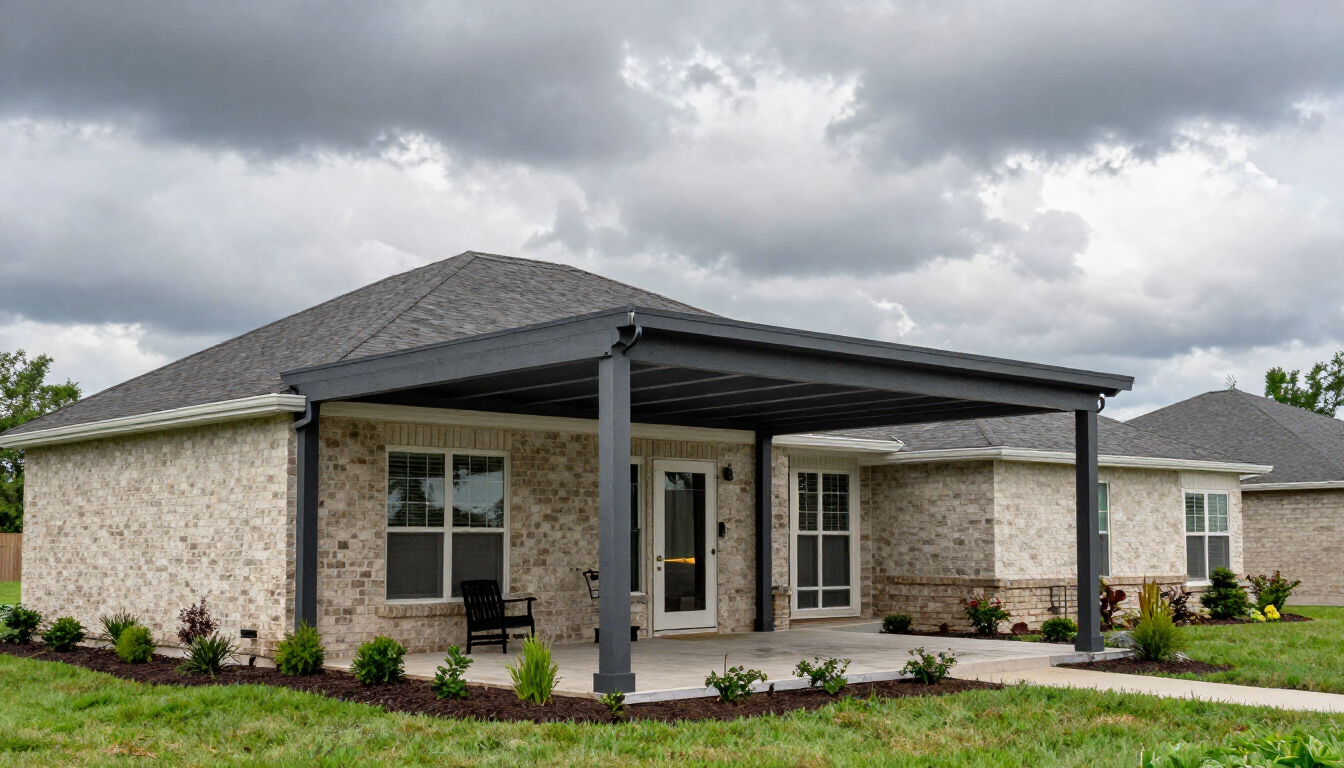
Hurricane wind ratings for an aluminum patio cover in Houston
By Brian Sonnier • November 1, 2026
Learn how hurricane wind ratings, engineering, hail, and heavy rain affect aluminum patio covers in Houston—and what to ask your contractor before building.
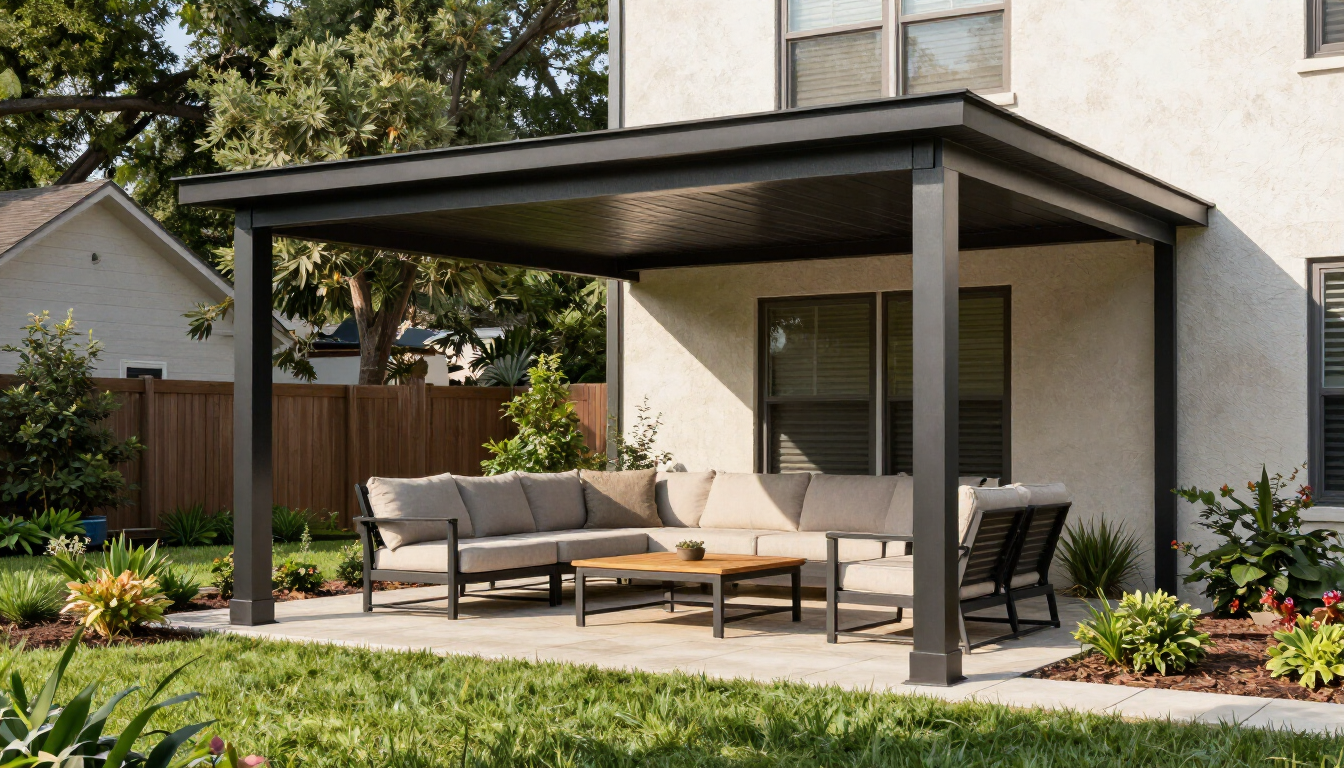
Aluminum patio cover in a Houston backyard
By Brian Sonnier • November 1, 2026
Compare patio cover financing options and learn what warranties typically cover, from materials and paint finish to workmanship, before hiring a Houston contractor.
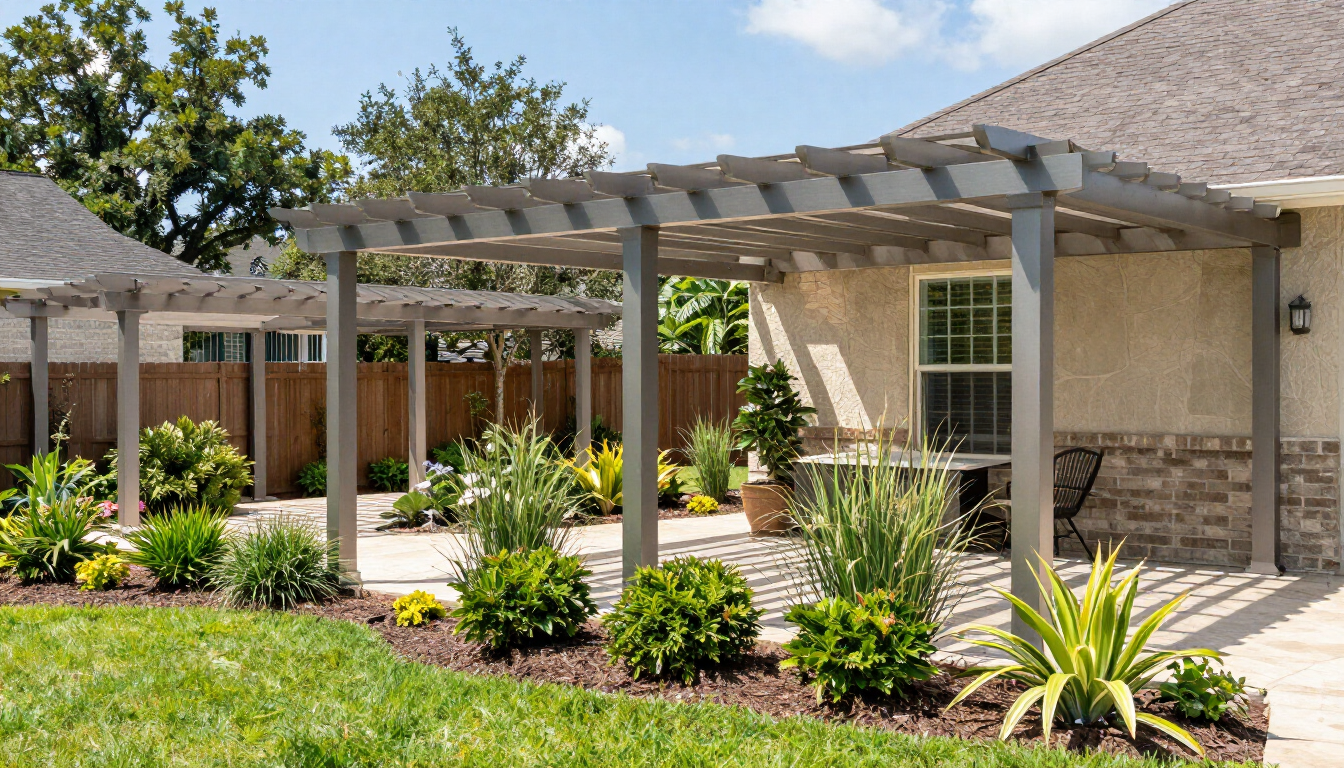
Aluminum pergola vs patio cover in a Houston backyard
By Brian Sonnier • November 1, 2026
Compare an aluminum pergola vs patio cover in Houston for shade, rain protection, cost, permits, and the best fit for your backyard.
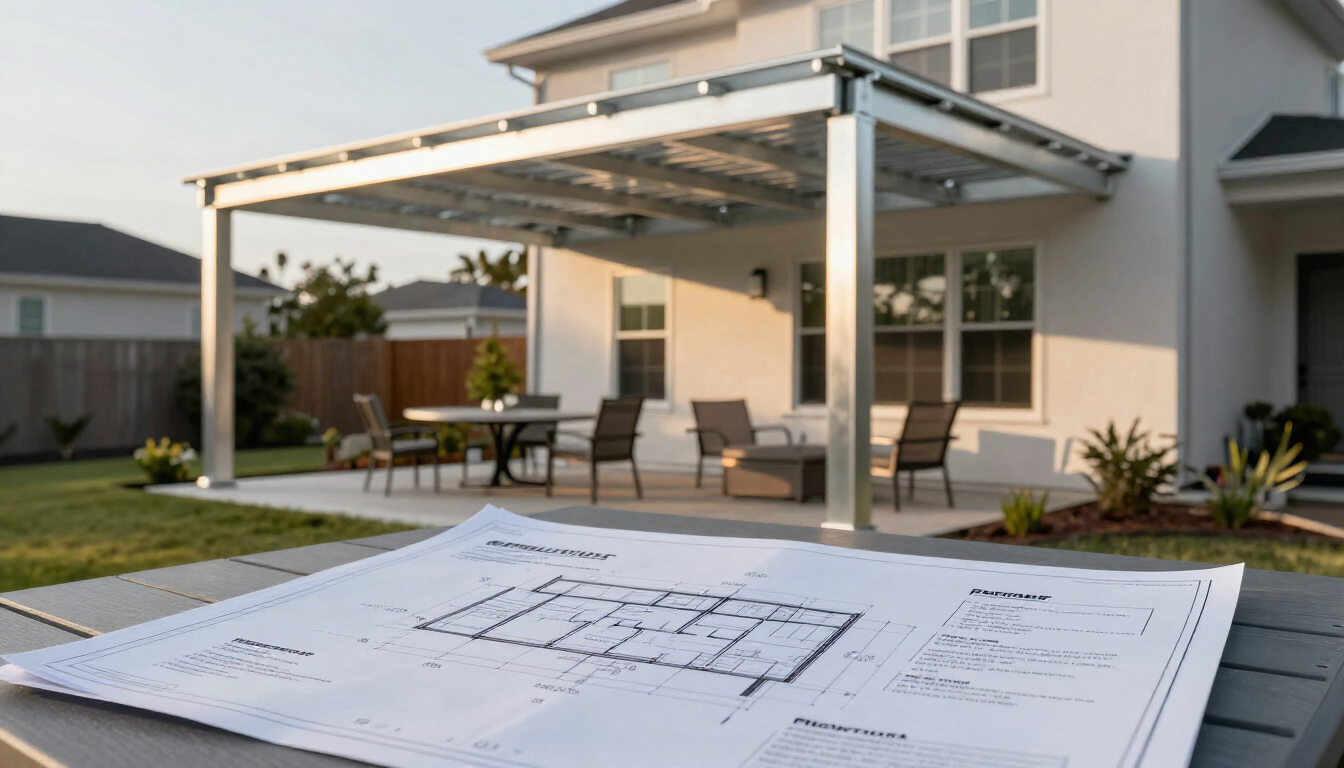
Patio cover permit plans for a Houston backyard
By Brian Sonnier • November 1, 2026
Learn who issues patio cover permits in Houston, Harris County, and Fort Bend County, what documents you need, how inspections work, and how to avoid delays.
Patio cover cost in Houston, TX
By Brian Sonnier • October 6, 2026
See estimated 2026 patio cover and screen enclosure costs in Houston, including aluminum, Alumawood, insulated panels, installation, permits, and add-ons.
Trusted patio builder Houston custom aluminum patio cover and screen enclosure
By Brian Sonnier • September 23, 2026
Learn what to look for in a trusted patio builder in Houston, from experience and materials to permits, warranties, project photos, and clear estimates.
Insulated aluminum roof panels on a Houston patio cover
By Brian Sonnier • September 23, 2026
Learn how insulated aluminum roof panels work, their benefits, costs, insulation value, and how to choose the right patio cover roofing for your Houston home.
Pergola design ideas for Texas heat with shaded outdoor seating
By Brian Sonnier • September 23, 2026
Explore practical pergola design ideas for Texas heat, including shade, airflow, materials, and layout tips for comfortable Houston-area outdoor living.
Building a patio cover in Houston to meet local building codes
By Brian Sonnier • September 23, 2026
Learn how to build a patio cover that meets Houston building codes, including permits, setbacks, wind loads, drainage, inspections, and contractor tips.

Show More