
Aluminum vs Cedar Pergolas: How to Choose

Brian Sonnier • September 23, 2026

Aluminum vs cedar pergolas comes down to your priorities: aluminum offers low maintenance, long-term durability, and reliable performance in Houston weather, while cedar provides natural warmth, texture, and a classic custom look. Compare cost, upkeep, lifespan, appearance, and climate performance before choosing the material for your outdoor space.

Which pergola material is better for Houston homes?

For most Houston homeowners, aluminum is the more practical pergola material. It resists moisture, insects, rot, and warping with minimal maintenance. Cedar is an attractive choice when natural character and traditional style matter most, but it requires regular staining or sealing to maintain its appearance and protect the wood.

The right decision depends on how you plan to use the space, how much maintenance you are willing to handle, and whether you prefer a modern or natural aesthetic. Homeowners comparing pergola materials should evaluate these factors together rather than choosing based only on the initial price.

Aluminum vs cedar pergolas: key differences

| Consideration | Aluminum pergola | Cedar pergola | |---|---|---| | Maintenance | Occasional cleaning | Regular sealing or staining | | Moisture resistance | Excellent | Good when properly maintained | | Insect and rot resistance | Excellent | Naturally resistant, but not maintenance-free | | Appearance | Clean, modern, customizable | Warm, natural, traditional | | Weight | Lightweight | Heavier | | Color stability | Long-lasting finish | Changes over time without treatment | | Typical lifespan | Long with minimal upkeep | Long with consistent maintenance |

Both materials can create a comfortable, attractive outdoor living area. The difference is how they perform over time and how much work they require from the homeowner.

What are the advantages of an aluminum pergola?

Aluminum pergolas are engineered for homeowners who want a durable structure without a demanding maintenance schedule. Their most important benefits include:

  • Low maintenance: Wash the structure periodically to remove pollen, dust, and grime.
  • Moisture resistance: Aluminum does not absorb water, so it will not rot or swell.
  • Insect resistance: Termites and other wood-damaging insects cannot consume aluminum.
  • Consistent appearance: A quality powder-coated finish can maintain its color and protect the surface.
  • Lightweight construction: Aluminum is easier to transport and install than many wood structures.

Houston’s heat, humidity, heavy rain, and occasional storms can be hard on outdoor materials. Aluminum handles these conditions without the recurring sealing, sanding, and refinishing associated with cedar. It is also a good match for homeowners who want a pergola that complements a contemporary home or an existing aluminum patio cover.

Aluminum can be designed in several colors and profiles, allowing it to look sleek rather than industrial. A professional installer can also coordinate the structure with your home’s trim, roofline, patio, or other outdoor improvements.

Why do homeowners choose cedar pergolas?

Cedar remains popular because it delivers a natural appearance that manufactured materials cannot fully duplicate. Its grain, color variation, and texture can make a patio feel warmer and more connected to the surrounding landscape.

Cedar is also naturally more resistant to decay and insects than many common softwoods. However, “naturally resistant” does not mean maintenance-free. Exposure to ultraviolet light and moisture will gradually change the wood’s color. Without protection, cedar typically weathers to a gray or silver tone.

Choose cedar if you value:

  • Natural grain and individual board character
  • A traditional, rustic, or Craftsman-inspired appearance
  • The option to stain the structure in different wood tones
  • A material that can be repaired or refinished over time

Cedar may require more attention, but that upkeep is part of its appeal for homeowners who enjoy the look and feel of real wood.

Which pergola lasts longer: aluminum or cedar?

An aluminum pergola will usually provide more predictable long-term performance because it is not vulnerable to rot, splitting, or insect damage. Its lifespan depends on construction quality, finish, fasteners, installation, and exposure to severe weather.

A well-built cedar pergola can also last for many years. Its longevity depends heavily on proper drainage, sound construction, and a regular maintenance routine. Cedar should be inspected for fading, cracking, loose fasteners, and areas where water collects. Staining or sealing helps slow weathering and protect the wood.

In simple terms, aluminum generally offers greater durability with less effort, while cedar can offer excellent longevity when it receives consistent care.

How much maintenance does each material need?

Maintenance is one of the clearest differences between these pergola options.

Aluminum maintenance

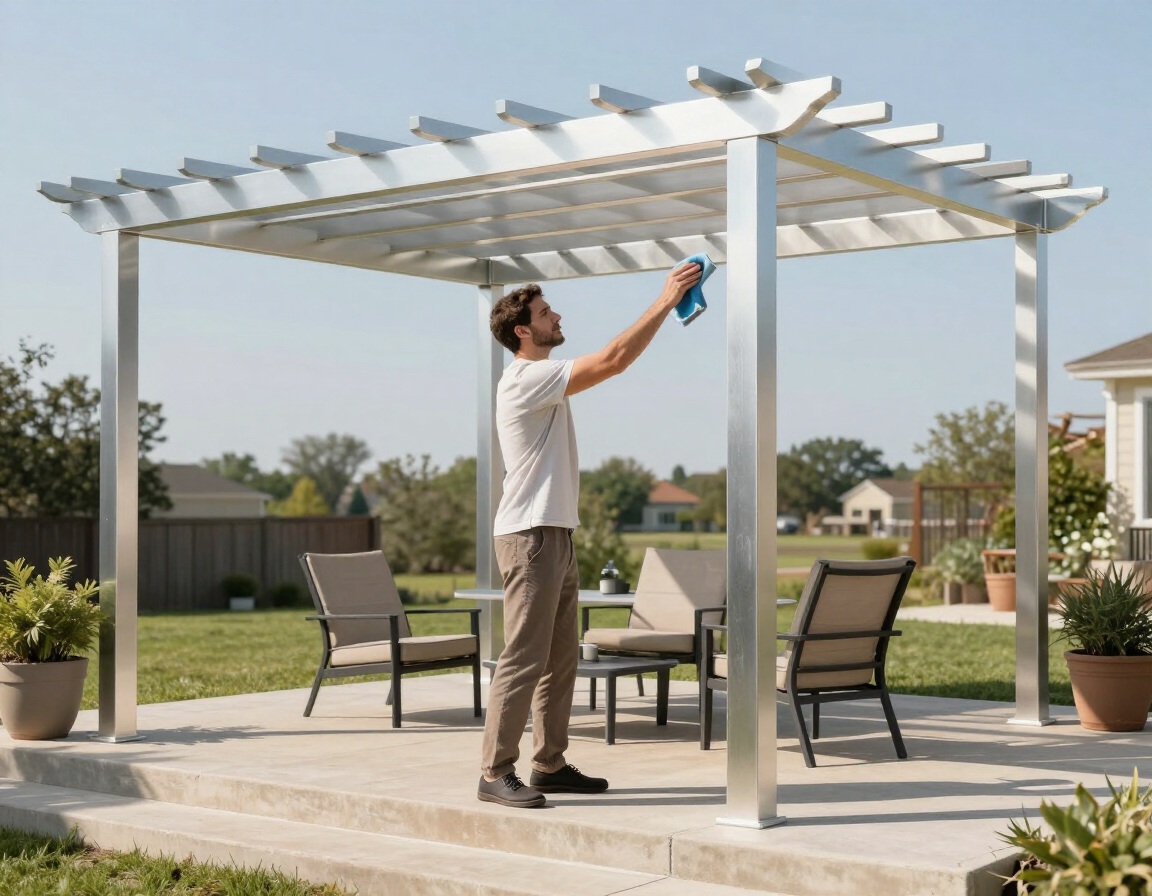
Most aluminum pergolas need only occasional washing with mild soap and water. Check the structure after major storms, clear debris from the top, and inspect connections or attached accessories. Avoid abrasive cleaners that could damage the finish.

Cedar maintenance

Cedar typically needs more frequent attention. Depending on the finish and exposure, you may need to clean, sand, stain, or seal the wood every few years. Look for discoloration, mildew, surface checking, and areas where water remains on the boards.

If you want to spend weekends enjoying your patio instead of maintaining it, aluminum is usually the easier choice. If refinishing and preserving natural wood are acceptable, cedar remains a compelling option.

Photorealistic homeowner cleaning a low-maintenance aluminum pergola over a Houston patio

Is an aluminum or cedar pergola more affordable?

Project pricing varies based on size, design, footings, roof style, lighting, privacy screens, installation conditions, and finish. The material price is only one part of the total investment.

Cedar can sometimes have a lower upfront material cost, especially for a straightforward design. However, future staining, sealing, repairs, and replacement of damaged boards add to its lifetime cost. Aluminum may cost more initially, but its lower maintenance needs can make the long-term value attractive.

Ask each contractor for a complete estimate that explains:

  • Material and fabrication
  • Footings and structural attachment
  • Installation labor
  • Finish or stain options
  • Drainage and water-management details
  • Warranties and maintenance expectations

Comparing total ownership cost—not just the starting quote—can make the decision clearer.

Which style looks best with your home?

Cedar works naturally with stone, brick, warm siding, gardens, and traditional architecture. Its grain creates visual softness and can serve as a focal point in a landscaped yard.

Aluminum pairs well with modern homes, neutral exteriors, clean rooflines, and minimalist furniture. Because it is available in different finishes, it can either stand out as a design feature or blend with existing patio and trim colors.

Look at the whole outdoor area before choosing. Consider the home’s exterior, fencing, doors, windows, furniture, and nearby landscaping. You can also review pergola photos and explore pergola options for ideas about proportions, finishes, and layouts.

What should you consider before choosing?

Use this quick checklist to narrow down the best material:

  1. Maintenance preference: Do you want occasional cleaning or are you comfortable with periodic refinishing?
  2. Design goal: Is your priority a modern, consistent finish or natural wood character?
  3. Weather exposure: Will the pergola receive intense sun, wind-driven rain, or frequent humidity?
  4. Long-term budget: Are you comparing upfront cost or total ownership cost over time?
  5. Home compatibility: Which material best complements your architecture and existing patio?

A site evaluation is important, especially when the pergola will attach to the home or cover an existing slab. Drainage, wind exposure, utilities, and local requirements can affect the design.

Aluminum or cedar: which should you choose?

Choose aluminum if you want low maintenance, dependable performance in Houston’s humid climate, and a clean finish that stays consistent. Choose cedar if natural grain, warmth, and a traditional appearance are worth the ongoing care. Neither material is right for every homeowner.

Start by deciding how you want to use the space and how much upkeep fits your lifestyle. Then compare complete designs, warranties, installation details, and long-term costs. Lone Star Patio Covers & Enclosures can help you evaluate an outdoor living solution for your home and explore related patio cover services or aluminum patio covers.

Recent Posts

Patio cover cost in Houston, TX
By Brian Sonnier • October 6, 2026
See estimated 2026 patio cover and screen enclosure costs in Houston, including aluminum, Alumawood, insulated panels, installation, permits, and add-ons.
Trusted patio builder Houston custom aluminum patio cover and screen enclosure
By Brian Sonnier • September 23, 2026
Learn what to look for in a trusted patio builder in Houston, from experience and materials to permits, warranties, project photos, and clear estimates.
Insulated aluminum roof panels on a Houston patio cover
By Brian Sonnier • September 23, 2026
Learn how insulated aluminum roof panels work, their benefits, costs, insulation value, and how to choose the right patio cover roofing for your Houston home.
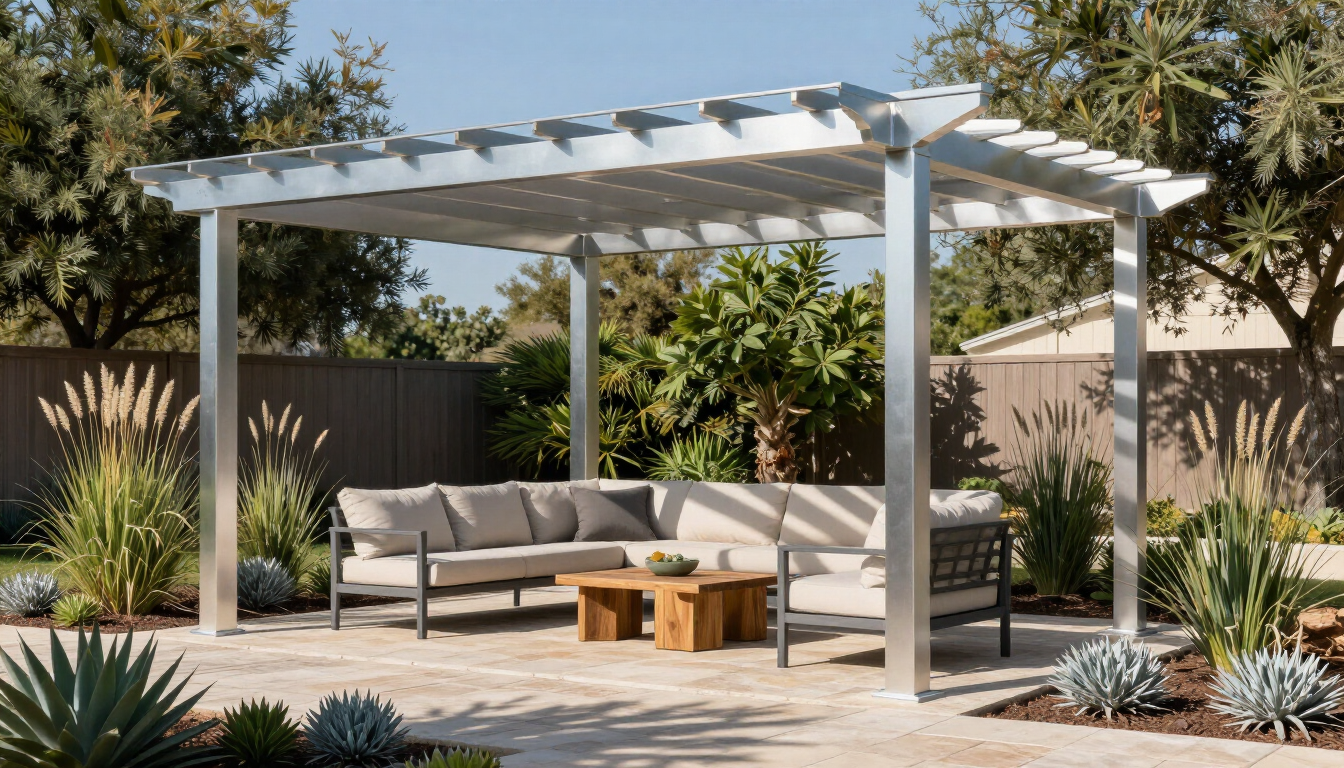
Pergola design ideas for Texas heat with shaded outdoor seating
By Brian Sonnier • September 23, 2026
Explore practical pergola design ideas for Texas heat, including shade, airflow, materials, and layout tips for comfortable Houston-area outdoor living.
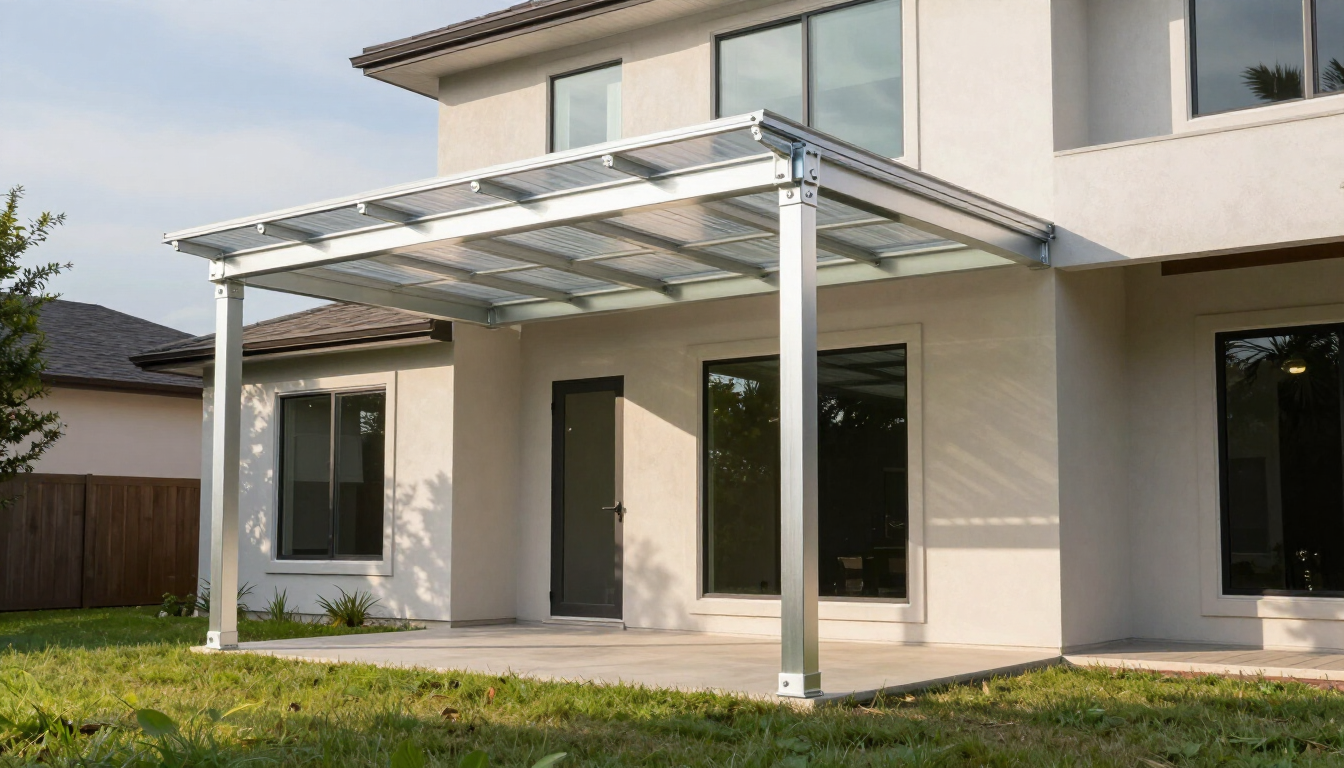
Building a patio cover in Houston to meet local building codes
By Brian Sonnier • September 23, 2026
Learn how to build a patio cover that meets Houston building codes, including permits, setbacks, wind loads, drainage, inspections, and contractor tips.
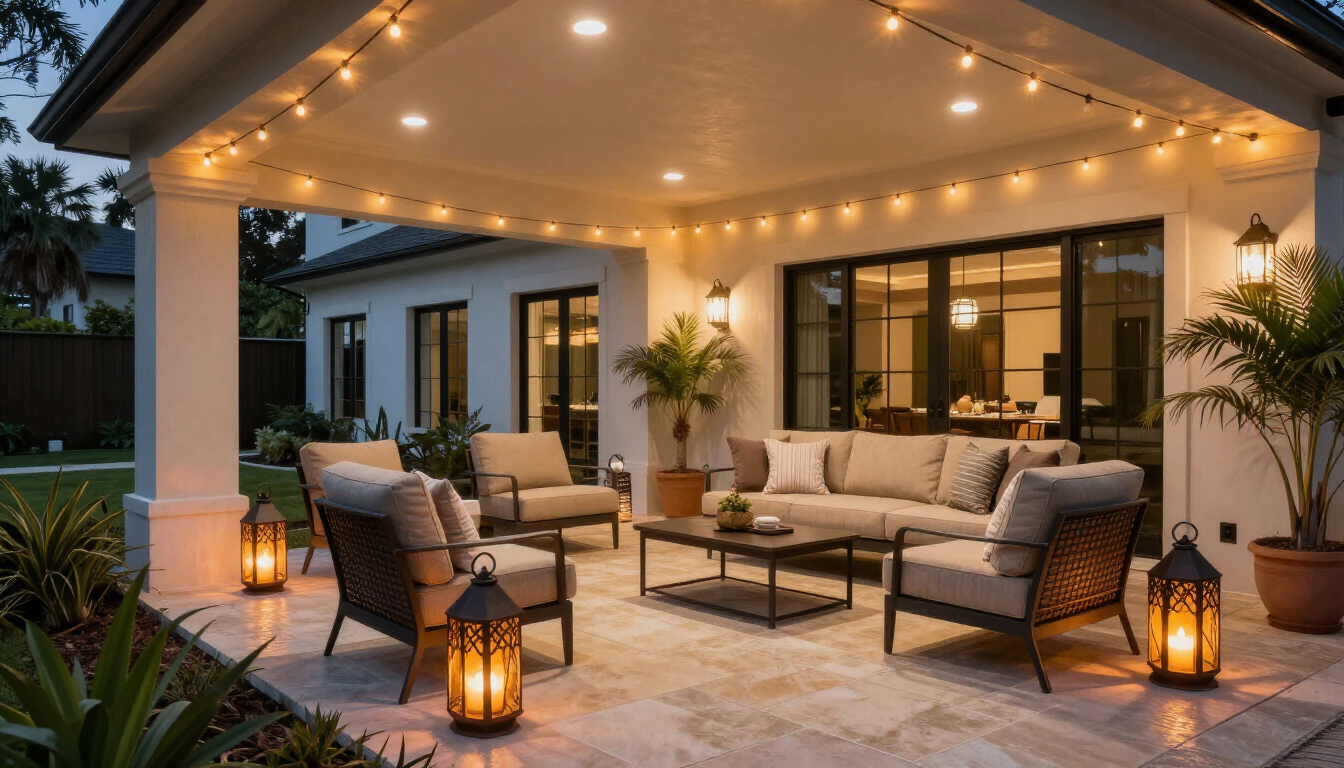
Creative lighting ideas for a covered patio with warm layered lights
By Brian Sonnier • September 23, 2026
Explore nine creative lighting ideas for a covered patio, from string lights to layered task lighting, to make your Houston outdoor space warmer and more useful.
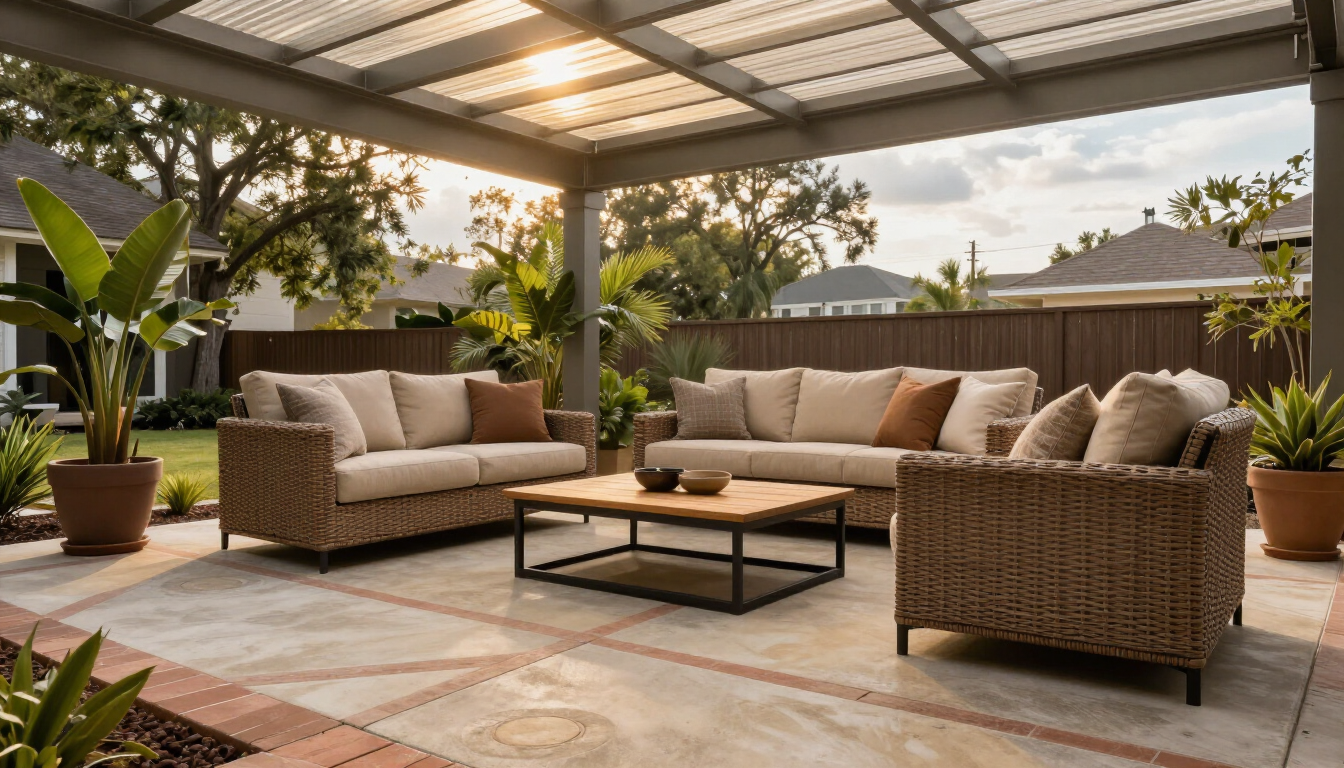
Patio concrete flooring options beneath an aluminum patio cover
By Brian Sonnier • September 23, 2026
Compare patio concrete flooring options for Houston outdoor living spaces, including stamped, stained, textured, and budget-friendly finishes for homeowners.
Aluminum patio roof extension on a Houston home
By Brian Sonnier • September 23, 2026
Compare the best patio roof extension materials for Houston homes, including aluminum, wood, vinyl, and insulated panels, with practical cost and maintenance guidance.
Aluminum patio cover with shade and outdoor seating in Katy, TX
By Brian Sonnier • September 23, 2026
Discover the patio cover features homeowners in Katy, TX request most, from shade and drainage to lighting, privacy, and durable aluminum design.
Houston HOA patio cover on a suburban Texas home
By Brian Sonnier • September 23, 2026
Learn how Houston-area HOA rules affect patio covers, pergolas, and screen rooms—and how to get approval before your project begins.
Show More